
 English
  中文简体
中文简体 


There is no universally "better" wiper blade, only blades that match your climate. The key distinction lies in how well each design handles the specific weather your region experiences most frequently. For drivers in areas with heavy snow and ice more than 20 days per winter, winter-specific wiper blades deliver superior performance. For those in mixed climates with occasional snow and frequent rain, a high-quality all-season design often proves more practical and cost-effective over time.
This guide walks through the structural differences between these two types, their real-world performance across different weather scenarios, and a transparent cost-per-year analysis to help you make the right choice for your specific situation and vehicle.
What Makes a Winter Wiper Blade Different From All-Season?
The differences between winter and all-season designs are not cosmetic—they are fundamental engineering decisions that affect how well each blade performs when temperatures drop and precipitation transitions from rain to sleet and snow.
The Rubber Boot: Winter's Secret Weapon
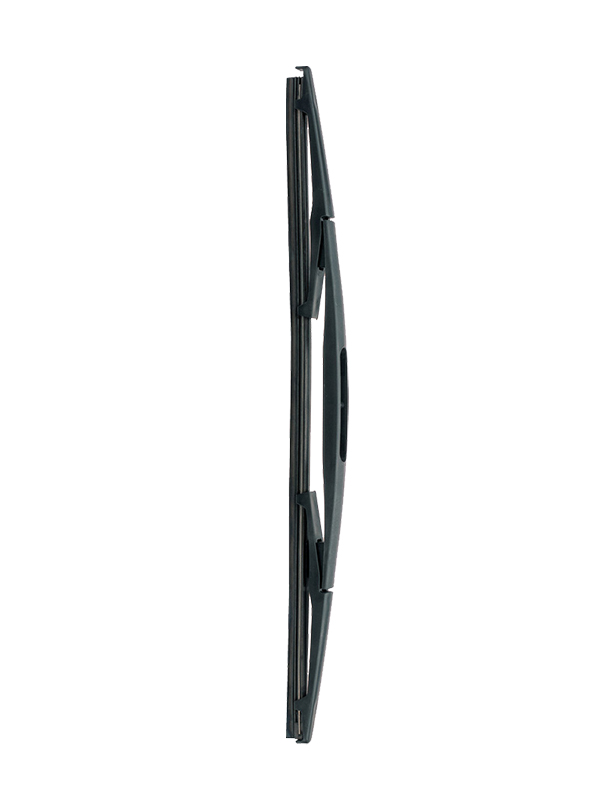
Winter wiper blades feature a protective rubber or plastic boot (also called a rubber boot or winter boot) that encases the blade's articulation points, where the frame springs connect and flex. This boot serves a specific purpose: it prevents ice and snow from accumulating inside the blade's joints and hinges, which would gradually freeze and lock the blade in place.
All-season blades, particularly traditional framed designs, leave these joints and articulation points exposed to the elements. During freezing rain or heavy snow, ice forms inside the joints, creating a rigid structure that no longer flexes properly. The blade becomes effectively "frozen shut," unable to conform to the windshield's curve and leaving streaks or gaps as it moves across the glass.
This is why drivers in harsh winter climates often experience a sudden loss of wiper performance mid-season—not because the rubber has worn out, but because ice has mechanically jammed the blade's moving parts.
Frame vs. Beam: Why Winter Blades Resist Ice Jam
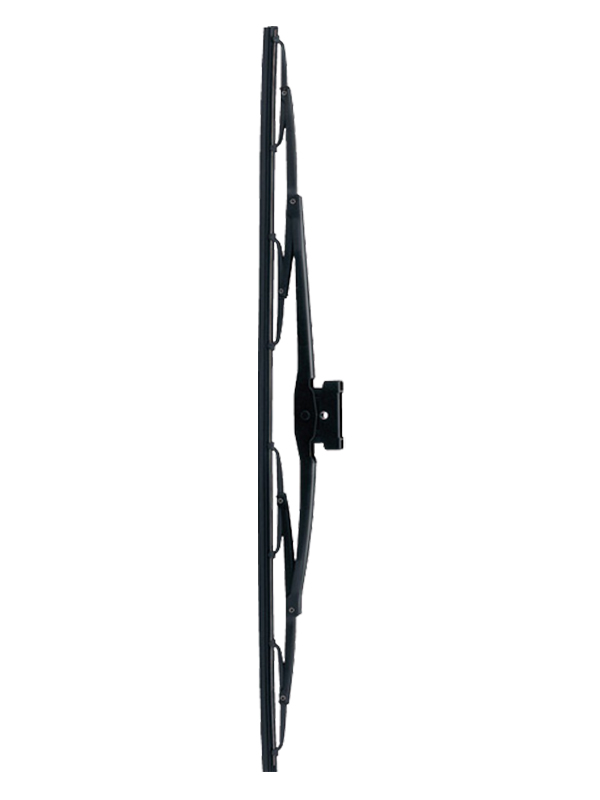
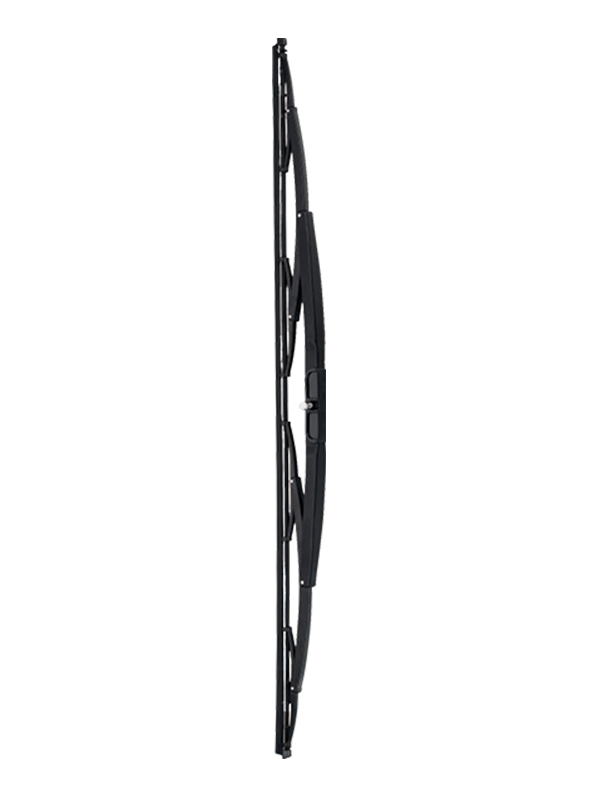
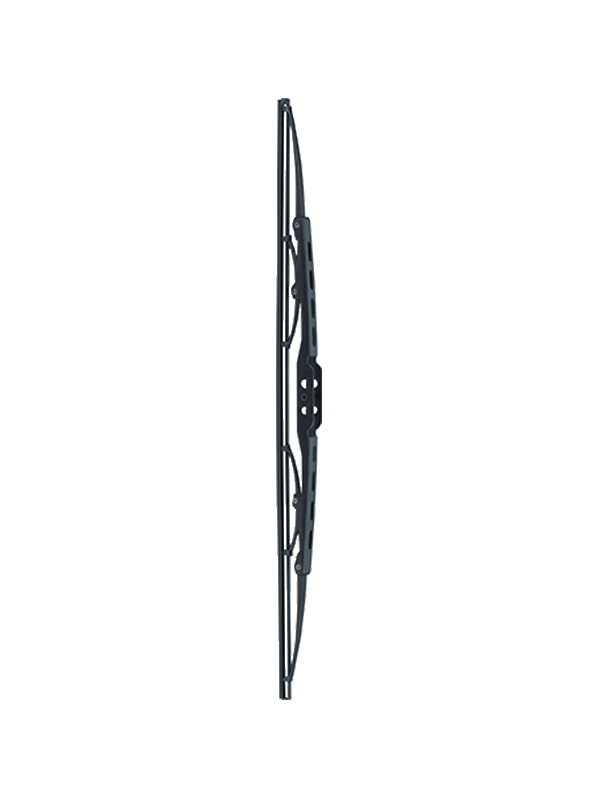
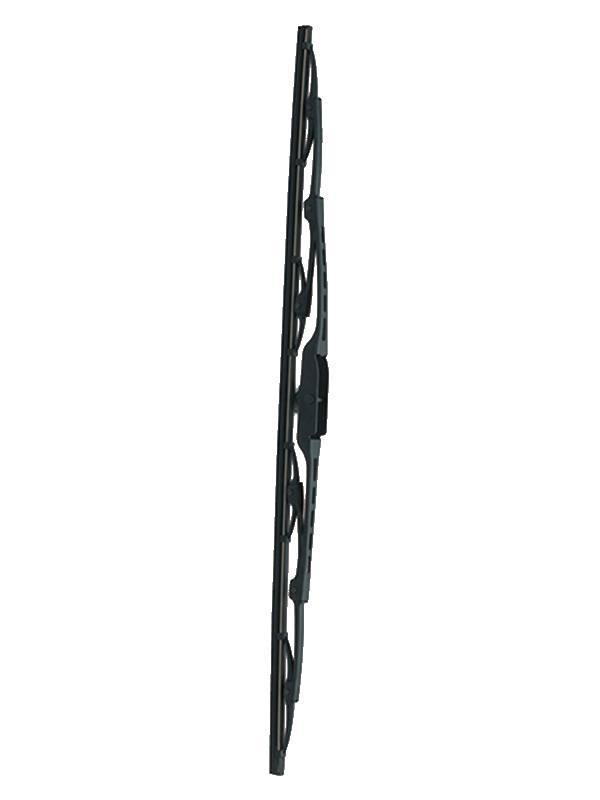
Traditional framed wiper blades use multiple metal or plastic segments connected by springs and pivot points. This jointed construction allows the blade to conform to curved windshields, but each joint is a potential ice trap in winter weather.
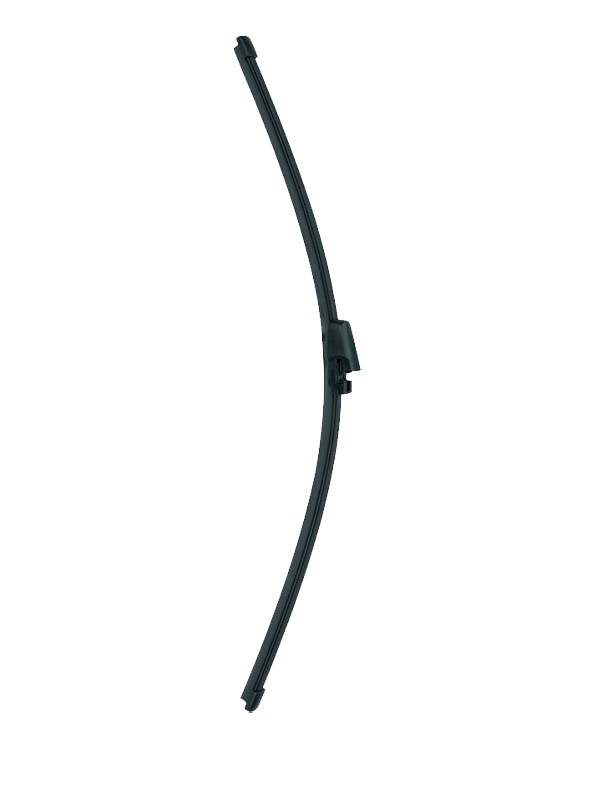
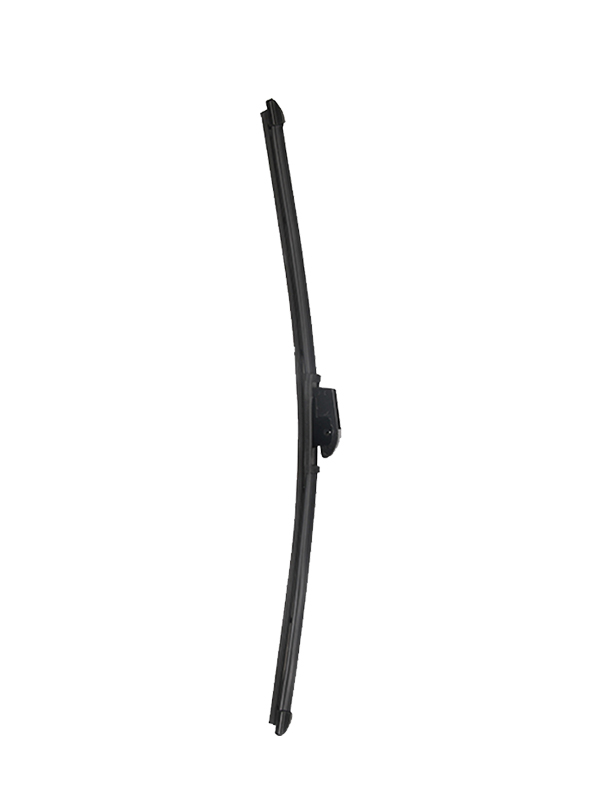
Many modern all-season blades, especially beam blade designs, eliminate external joints entirely. A single curved length of rubber and reinforcing material spans the entire blade, with no exposed mechanical connections. This seamless design naturally resists ice buildup because there are no crevices or moving parts where frozen precipitation can lodge.
However, beam designs sacrifice some of the mechanical leverage that jointed frames provide. Where a traditional frame can exert concentrated pressure at key points along the windshield, a beam blade distributes pressure more evenly along its length. In extreme cold and heavy ice accumulation, this difference becomes noticeable.
Rubber Compound: Winter Flex vs. All-Season Durability
Winter blades typically use a thicker rubber compound or a specialized elastomer formulation engineered to remain flexible at temperatures well below freezing (commonly down to minus 30 degrees Celsius or colder). This flexibility is critical: if the rubber hardens in cold weather, it becomes rigid and loses contact with the glass, resulting in streaking and poor visibility.
All-season blade rubber is formulated as a compromise. The compound maintains reasonable flexibility across a wider temperature range, but at the extreme cold end, it does stiffen somewhat compared to winter-specific formulations. In mild or moderate climates, this trade-off is invisible—the blade performs well. In extreme cold, the difference becomes measurable.
Conversely, winter blade rubber is often too soft for warm or hot weather. When temperatures rise above 30 degrees Celsius, winter rubber becomes overly pliable and can warp, lose its edge, and wear faster due to reduced structural integrity. This is why drivers who keep winter blades on year-round often notice accelerated wear and more chattering noise during warmer months.
Winter Wiper Blade Performance: Where It Wins and Where It Falls Short
Where Winter Blades Excel
In snow, ice, and freezing rain conditions, winter blades deliver measurable advantages:
- Resistance to ice accumulation due to the protective boot that seals articulation points
- Improved flexing in sub-zero temperatures because the rubber remains supple when all-season formulations harden
- Better visibility during heavy snowfall because the blade continues to conform to the windshield and push accumulated snow off effectively
- Reduced "juddering" or chattering during winter precipitation events, resulting in smoother operation and more consistent contact
Drivers in regions that regularly experience more than 20 days of snow or ice per winter benefit significantly. The additional cost and effort of swapping to winter blades pays for itself in reduced accidents, improved visibility, and fewer frustrated mornings staring at a half-cleared windshield.
The Hidden Downsides of Winter Blades
Winter blades carry real drawbacks that are often overlooked when making a purchase decision:
- Poor warm-weather performance: The soft rubber compound that excels in cold becomes overly pliable in warmth, resulting in reduced edge sharpness, more noise, and faster wear. Drivers who forget to swap to all-season blades when spring arrives often notice squeaking and streaking by late May.
- Higher up-front cost: Winter blades typically cost 20 to 40 percent more than comparable all-season designs. In North America, expect to pay USD 25 to 35 per blade, compared to USD 15 to 25 for mid-range all-season options.
- Shorter lifespan: Winter blades are designed for 4 to 5 months of seasonal use. If you remove them during warmer months (the correct practice), you are purchasing and disposing of new blades twice per year, increasing long-term costs and environmental impact.
- Seasonal logistics: Unlike all-season blades, which you install once and forget, winter blades require planning. You must swap them before the first freeze and again when spring arrives—a process that demands time, storage space, and awareness.
All-Season Wiper Blades: The Smarter Choice for Most Drivers
Modern Beam Blades Changed the All-Season Game
For decades, all-season blades were positioned as an acceptable compromise for regions that rarely saw snow. Modern engineering has dramatically changed this calculus. Particularly in the last 10 to 15 years, advances in beam blade design and silicone rubber compounds have narrowed the performance gap.
Today's premium all-season beam blades—especially those using silicone rubber or advanced polymer compounds—perform substantially better in cold weather than their predecessors. The seamless, joint-free design of beam blades resists ice formation naturally. The improved rubber formulations maintain flexibility at temperatures where older all-season compounds would harden noticeably.
Silicone-based all-season blades deserve specific mention. Silicone compounds offer several advantages: they remain flexible across a wider temperature range than conventional rubber, they resist hardening more effectively in extreme cold, and they typically last 2 to 3 times longer than standard rubber formulations. The longevity advantage alone justifies the higher up-front cost for many drivers.
When All-Season Beats Winter
All-season blades outperform winter-specific designs in several realistic scenarios:
- Mixed winter climates: Regions where winter brings a combination of rain, sleet, freezing rain, and occasional snow (rather than sustained heavy snow) find all-season blades more versatile. You are not swapping blades multiple times per season because the weather is unpredictable.
- Infrequent snow: If snow appears fewer than 10 days per winter, the seasonal advantage of winter blades does not justify the logistics, cost, and reduced warm-weather performance.
- Year-round usability: A quality all-season blade performs reasonably well from October through April and remains effective June through September. There is no penalty for leaving it on throughout the year, though the lowest recommended practice is still to remove blades during dry summer months to extend their lifespan.
- Long-term cost efficiency: When calculated on a per-year basis (which we address in detail below), high-quality all-season blades, particularly silicone variants, offer better value than the annual expense of buying two sets of blades and spending time swapping them.
The Real Decision Framework: Match Your Climate, Not the Marketing
Choosing between winter and all-season blades should not be driven by brand messaging or price alone. The correct choice depends on three factors: your regional climate, how often you encounter hazardous winter conditions, and your personal tolerance for seasonal maintenance.
If You See Heavy Snow and Ice More Than 20 Days per Winter
In this scenario, winter blades are the correct choice. The generalist nature of all-season designs becomes a liability when winter is the dominant season. A dedicated winter blade, paired with winter-grade windshield washer fluid (which typically contains anti-freeze agents effective to minus 20 or minus 30 degrees Celsius), gives you measurably better visibility and safety when conditions are most hazardous.
Budget for replacing your winter blades every 4 to 5 months during the cold season. Accept that you will also maintain a set of all-season blades for the rest of the year, unless you live in a region where winter lasts 8 to 9 months, in which case a second set of all-season blades is often unnecessary.
If You Get Mixed Winter: Rain, Sleet, Occasional Snow
For regions where precipitation is mixed and winter is unpredictable—snow one week, rain the next—a high-quality all-season beam blade, preferably with silicone rubber, is the rational long-term choice. You avoid the hassle of swapping blades when the weather prediction is uncertain. You pay less per year when cost is properly calculated. You do not sacrifice meaningful performance, especially with modern beam designs.
A useful tactic: if a severe snowstorm is forecast for your region, lift your wiper blades (angle them away from the windshield) before heavy snow begins. This simple action prevents snow from accumulating on the blades and freezing them solid. When you use your wipers after the storm, they function normally. This technique, combined with a quality all-season blade, often eliminates the need for winter blades altogether in mixed climates.
Cost-Per-Year Comparison: The Real Financial Picture
Most purchase decisions fixate on the price tag. Cost-per-year analysis provides a clearer picture:
The calculation breaks down as follows:
- Winter blade scenario: Purchase winter blades at USD 25-35 per blade (two per vehicle) in October. Cost per set: USD 50-70. Use for 4 to 5 months. Dispose or donate. Purchase again next October. Annual spend: USD 120-140 minimum, often higher when you factor in replacement all-season blades for summer.
- All-season blade scenario: Purchase a quality all-season blade at USD 20-30 per blade (two per vehicle) once. Cost per set: USD 40-60. Install and leave in place. Replace every 18 to 24 months. Annual cost: USD 20-40 if you amortize over a 24-month period. Even accounting for the upfront cost, you spend roughly USD 45-60 annually.
- Silicone all-season scenario: Purchase premium silicone all-season blades at USD 30-40 per blade (two per vehicle). Cost per set: USD 60-80. Replace every 24 to 36 months due to superior durability. Annual amortized cost: USD 20-35. You get winter performance that approaches dedicated winter blades while maintaining year-round usability.
For a driver in a mixed climate who replaces blades every other year instead of annually, silicone all-season blades represent the best long-term value despite the higher purchase price.
How to Get the Right Fit Before You Buy
Wiper blade performance is only relevant if you purchase the correct size and connector type for your vehicle. An incorrectly sized blade does not seat properly on the windshield, performs poorly across all weather conditions, and wears prematurely. Installation issues—the wrong connector for your vehicle's wiper arm—are equally problematic.
Size and Connector: The Two Things That Kill Wiper Performance
Wiper blades come in dozens of sizes, typically ranging from 14 inches to 28 inches depending on vehicle age, make, and model. The driver-side and passenger-side blades on a single vehicle often differ in length, sometimes by several inches.
Connectors—the attachment mechanisms that link the blade to the wiper arm—come in multiple types, including hook connectors, pinch tab connectors, and specialized types specific to certain manufacturers. Installing the wrong connector means the blade either does not attach securely or cannot be installed without forcing and potentially damaging the wiper arm.
Before purchasing any blade, identify your vehicle's requirements:
- Consult your vehicle's owner manual or the manufacturer's website. Most list wiper blade specifications including size and connector type.
- Visit an online blade fitment tool (most tire and parts retailers offer these). Enter your vehicle's year, make, and model to receive a list of compatible blades and their part numbers.
- Inspect your current blades. The size is often printed on the rubber blade itself or on the backing card packaging.
- When in doubt, contact a retailer or specialist before purchasing. Providing your vehicle's year, make, and model enables a quick verification of the correct size and type.
What to Ask Before Requesting a Quote
If you are inquiring about bulk purchases or custom pricing, provide the following information to ensure an accurate quotation:
- Vehicle year, make, and model (or a detailed list if you are purchasing for multiple vehicles)
- Wiper blade sizes (driver-side and passenger-side dimensions)
- Current connector type(s) or willingness to accept standard connectors
- Desired wiper blade type (winter, all-season, silicone all-season, or a mix if you manage a fleet)
- Order quantity and timeline
- Budget constraints or pricing expectations
If you are unsure of your vehicle's blade size or connector type, do not hesitate to share just the year, make, and model. A specialist can quickly identify the correct fitment and provide an informed quote before you commit to an order.
Bottom Line: Making the Right Choice
Winter and all-season wiper blades are not competitors where one clearly dominates. They are tools engineered for different climates and user priorities.
Choose winter blades if:
- You live in a region with heavy snow and ice more than 20 days per winter
- Winter weather represents a significant safety concern in your region
- You are comfortable with the logistics of seasonal blade swaps
- Year-round cost is not your primary concern
Choose all-season blades (especially silicone variants) if:
- You experience mixed winter weather—rain, sleet, and occasional snow rather than sustained snow
- Snow appears fewer than 20 days per winter in your region
- You prefer the convenience of year-round usability without seasonal swaps
- Long-term cost efficiency is important to you
Once you have decided, identify your vehicle's wiper blade fitment (size and connector type) and verify compatibility before purchase. If you need recommendations tailored to your specific climate, vehicle, and usage patterns—or if you are interested in bulk pricing or fleet solutions—contact us with your vehicle specifications. We can confirm fitment compatibility and provide a detailed quote based on your exact requirements.
Frequently Asked Questions
Q1: Can I use winter wiper blades year-round?
Technically, yes, but it is not recommended. Winter blade rubber becomes overly soft in warm weather, leading to reduced edge contact, more noise, faster wear, and potential warping. The protective boot also becomes less beneficial once temperatures rise. You will experience accelerated wear and noticeable performance degradation from late spring through early fall. Seasonal swapping is the correct practice.
Q2: Will an all-season blade perform acceptably in heavy snow?
Modern beam blades with silicone rubber perform reasonably well in moderate snow and light ice. However, in sustained heavy snow with significant ice accumulation, a dedicated winter blade will outperform an all-season design. The specialized rubber compound and protective boot of winter blades are engineered specifically for these extreme conditions. If heavy snow is infrequent in your region, the trade-off may be acceptable. If it is common, winter blades are the safer choice.
Q3: How often should wiper blades be replaced?
Standard rubber all-season blades typically last 12 to 18 months with regular use. Winter blades, used seasonally for 4 to 5 months, often last 2 to 3 seasons if properly stored off-season. Silicone all-season blades frequently last 24 to 36 months. Lifespan depends on climate, usage frequency, UV exposure, and storage conditions. Replace blades when you notice streaking, chattering, skipping, or any loss of contact with the windshield.
Q4: What is the difference between a "winter blade" and a "winter wiper blade"?
These terms are used interchangeably. Both refer to wiper blades engineered specifically for cold weather, snow, and ice conditions. Key features include the protective rubber boot over articulation points, cold-weather rubber compounds, and reinforced frames designed to maintain flexing in sub-zero temperatures.
Q5: Can I mix winter and all-season blades on the same vehicle?
Yes. Many drivers install winter blades on the driver-side (which handles a greater percentage of wiping responsibility in most driving scenarios) and all-season blades on the passenger-side to save cost, or vice versa. This mixed approach offers a compromise between performance and expense. However, for optimal and consistent performance, matching blade types (either both winter or both all-season) is preferable.
Q6: Why do wiper blades chatter or squeak?
Chattering (a rhythmic stuttering motion) or squeaking usually indicates one of these issues: the blade pressure is uneven along the windshield (often due to incorrect size or worn arm springs), the rubber edge has hardened (common in winter all-season blades used in cold, or in oversummer all-season blades used in heat), or the windshield is dirty or has residue. Clean the windshield thoroughly, ensure correct blade size, and consider replacing the blade if chattering persists. Winter blades tend to chatter less in winter conditions if they are properly fitted.
Q7: Is it better to use windshield washer fluid specifically formulated for winter?
Yes, especially if you are using winter blades. Winter-grade windshield washer fluid contains anti-freeze agents (typically methanol or ethylene glycol) that prevent freezing at low temperatures, often effective down to minus 20 to minus 30 degrees Celsius. All-season washer fluid is typically only effective to around 0 degrees Celsius. If you live in a region that experiences sustained sub-zero temperatures, winter washer fluid is a practical necessity, not optional.
Q8: How do I know if my wiper blades are the correct size?
Correct-sized blades cover the entire windshield sweep area without extending beyond the wiper arms or stopping short of the glass. You should see no uncleared windshield in the sweep area. Blades that are too short leave gaps; blades that are too long may contact the trim or windshield frame. Most vehicle manuals specify the exact size for each side (driver and passenger). If you are unsure, enter your vehicle's year, make, and model into an online fitment tool, or consult a wiper blade specialist.
Q9: Should I lift my wiper blades when parking in heavy snow?
Yes. Lifting wiper blades away from the windshield before heavy snow begins prevents snow from freezing onto the blade and lock it in place. This simple practice applies whether you are using winter or all-season blades. When you resume driving after the snow stops, your wipers function normally instead of struggling against a solid frozen mass.
Q10: Do premium or brand-name wiper blades perform significantly better than budget options?
Premium options (particularly those with silicone rubber, advanced beam designs, or specialized winter compounds) do perform measurably better and last longer than the cheapest budget alternatives. However, the performance difference is most noticeable in extreme conditions—heavy snow, extreme cold, or sustained high temperatures. In moderate climates with occasional use, a mid-range blade from a reputable manufacturer offers good value. Budget blades can work acceptably, but they typically wear faster and may skip or streak sooner. For winter climates, investing in a better blade is generally wise; for mixed or mild climates, mid-range options are often sufficient.