

 English
  中文简体
中文简体 

Submit feedback
How to Choose a Snow Brush for Winter Driving: Key Features, Materials and Buying Criteria

Why the Right Snow Brush Matters More Than Most Winter Gear
Clear glass is a safety requirement, not a comfort feature. Frost, sleet and wet snow can cover a windshield within a few hours of an overnight storm, and a driver who starts the trip with partially covered glass has limited visibility during the first minutes on the road. A good snow brush handles most of this work quickly, but products sold under that name vary widely, and the differences between them affect daily convenience, paint protection and long-term durability.
5 to 10 min
Typical time to clear a full windshield, mirrors and side windows by hand on a heavy frost morning
3 in 1
Common combination of brush, scraper and wiper edge in a single handle
1 tool
Enough for most passenger vehicles when the length is matched to roof height
Winter tools are often bought in a hurry, usually after the first hard frost of the season. Buyers who take a few minutes to compare construction, bristle material and reach tend to end up with a product that lasts several seasons instead of one. The sections below cover the criteria that matter most for everyday driving and for bulk sourcing, roughly in the order a careful shopper would evaluate them.
Anatomy of a Modern Snow Brush
A modern snow brush is a small system of connected parts, and each part affects how quickly the tool clears a surface and how well it protects the vehicle. The diagram below summarizes the five components that appear on most designs.
Brush Head Design
The brush head carries most of the clearing work. A wide head with dense, evenly spaced bristles removes loose snow in fewer passes, while a narrow head reaches into tight areas such as the gap between a wiper arm and the hood. Heads that pivot allow the bristles to follow the curve of the windshield, which reduces the pressure needed to maintain contact across the glass.
Telescopic Shaft and Locking
Telescopic shafts usually have two or three segments that lock at fixed positions. Locking quality matters more than maximum length. A shaft that slips under load forces the user to stop and reset, and a loose joint introduces vibration that makes the brush feel unstable over large areas. Look for positive locks with a clear stop, and confirm that the sections collapse fully for storage.
Scraper Edge Geometry
The ice scraper is the component most likely to damage glass when used incorrectly. A blade with a slight angle and a chamfered edge breaks thick ice with less force than a square edge. The material should stay firm at low temperatures, since brittle plastic can chip during the first use on a very cold morning.
Bristle Materials and Paint Safety
Paint and clear coat are the surfaces most exposed to abrasion during snow removal. Bristle material, density and tip shape determine whether the brush moves snow away or drags grit across the finish. The table compares the three materials most often found in consumer and commercial designs.
| Material | Paint Contact Risk | Typical Use | Notes |
|---|---|---|---|
| Soft nylon | Low | Windshield and body panels | Holds its shape in cold weather |
| Polyester fiber | Low to moderate | Large areas and trucks | Lighter and dries quickly |
| Stiff plastic | High | Heavy ice removal only | Should stay off painted surfaces |
Bristle tips matter as much as the fiber itself. Rounded or sealed tips are gentler than cut ends, which can act like fine teeth when pressed against a surface. A simple check before purchase is to press a bristle lightly against a fingernail. If it feels sharp or leaves a visible mark, it is likely to scratch glass coatings or paint over time.
Practical Paint Safety Checks
- Confirm that bristles are dense and uniform across the entire brush head.
- Choose tips that are rounded or sealed rather than cut.
- Avoid designs that pair stiff bristles with a hard plastic head pressed directly against paint.
- Rinse the bristles after use to remove grit that can act as an abrasive.
Reach, Length and Vehicle Fit
A telescopic snow brush must reach the roof and upper windshield from the driver position while staying light enough to control. Length requirements vary by vehicle class, so buyers serving different markets should plan a range of lengths rather than a single size. The chart shows approximate roof heights for common vehicle types.
Reach is only part of the picture. A telescopic design that extends far can still feel awkward if the shaft is heavy, so many experienced users prefer a compact main body with a lightweight outer section. Designs that collapse to a short length are also easier to store in a trunk or door pocket, and that compactness carries over into shipping costs, which are discussed later in this article. For a closer look at how a telescopic snow brush handles these trade-offs, compare its collapsed and extended lengths with the roof heights of your target vehicles.
Matching Length to Use Case
- Compact cars and small hatchbacks usually need the shortest extended range.
- Sedans and crossovers benefit from a mid-range length with a comfortable grip position.
- SUVs, pickups and vans require the longest reach, so a heavier shaft becomes more noticeable.
Temperature Display and Frostbite Alerts
Some modern designs add a small display that shows the outside temperature and, in certain models, an alert when the reading falls below a set threshold. These features are useful in a practical sense. They remind the user that exposed skin and metal handles can become very cold quickly, and they help drivers judge when icy conditions are likely to form on the road surface.
What a Temperature Reading Tells You
Air temperature is not the same as surface temperature. A windshield can frost over at a reading slightly above freezing when humidity is high, and a metal handle left in an unheated vehicle may feel colder than the surrounding air. A display is best treated as a general planning indicator rather than a precise measurement of glass or road conditions.
Practical reading: Use the display to plan the first few minutes of clearing and to decide when gloves are needed, not to judge whether a road is safe to drive.
Design Considerations for Buyers
- Display contrast and readability in low light and direct sunlight
- Power source and how it performs at very low temperatures
- Alert sound level and whether the alert can be adjusted or disabled
- Housing seal against meltwater and road spray
Ice Scraper Design and Glass Care
Clearing glass safely depends on technique as much as on tool design. Most glass damage during winter comes from forcing a scraper against ice that has not been loosened, or from using a brush on glass still covered by a hard layer of frost.
Recommended Clearing Sequence
- Start the engine and run the defroster at a moderate setting for several minutes.
- Brush loose snow off the roof, hood and windshield from top to bottom.
- Apply the scraper at a shallow angle and work in short, controlled strokes.
- Clear the side and rear windows last, then check the wiper blades for ice before use.
Blade Condition and Edge Care
Keep the scraper edge free of grit, which can leave fine lines on glass during repeated passes. Replace blades that show nicks or flat spots, because a damaged edge concentrates pressure in a small area and increases the chance of chipping the glass coating or the blade holder.
A Four Stage Selection Workflow
The decision process for choosing a snow brush can be summarized in four stages. Buyers who follow the same order tend to avoid returns caused by poor fit, weak joints or unsuitable bristles.
The first stage removes unsuitable options quickly, since vehicle size determines the length range. The bristle review then eliminates products that could damage paint. The final two stages compare convenience features with the total cost of the tool, including packaging and freight for bulk orders.
- Joint strength, tested through repeated extension and locking
- Consistency of bristle density across production batches
- Clear labeling of components and care instructions
Packaging, Storage and Freight for Bulk Buyers
Packaging Specifications
Retail packaging should protect telescopic joints and the scraper edge during transit. A rigid insert that holds the collapsed shaft in place prevents sections from loosening, and a printed diagram helps customers confirm the product contents before opening.
Volume and Freight Planning
Collapsed length is one of the most important cost factors in bulk shipping. A product that packs into a short carton fits more units per pallet, so buyers should compare cubic volume per unit rather than unit price alone, because freight charges usually depend on the space a shipment occupies.
| Shipping Factor | Effect on Cost | Buyer Check |
|---|---|---|
| Collapsed length | Longer packs reduce units per pallet | Measure packed size |
| Carton weight | Heavier cartons raise handling fees | Weigh sample cartons |
| Protective insert | Protects joints but adds volume | Run a drop test |
Maintenance Habits That Extend Tool Life
Snow tools last longer when they are cleaned and stored properly. Salt, grit and meltwater are the main causes of premature wear, particularly in locking mechanisms, where residue can prevent sections from seating fully.
- Rinse the brush head after use to remove salt and road grime.
- Dry the shaft completely before collapsing it for storage.
- Lubricate telescopic joints lightly with a silicone-based product when locks begin to feel stiff.
- Store the tool in the cabin rather than the trunk, where extreme cold can make plastic brittle.
Common Mistakes to Avoid
Most winter tool complaints trace back to a small number of avoidable errors. Recognizing them early saves money and protects the vehicle.
- Choosing the longest length available without checking the vehicle's roof height.
- Using a rigid scraper on glass that is covered in thick ice rather than letting the defroster work first.
- Pouring hot water on frozen glass, which can create thermal stress and cracks.
- Ignoring bristle wear until the head begins to lose its shape.
- Storing a damp brush in a closed bag, which encourages odor and mildew.
Frequently Asked Questions
Q1: How long should a winter snow brush last?
With regular cleaning and proper cold-weather storage, a well made snow brush can remain usable for several winters. Replacement is usually needed when bristles lose their shape, locks no longer hold, or the scraper edge becomes damaged.
Q2: Is a telescopic design better than a fixed-length brush?
For most drivers a telescopic design is more practical because it reaches different vehicle types and stores compactly. A fixed-length tool can be lighter and simpler, which may suit people who only drive small cars and want a minimal option.
Q3: Can a snow brush damage car paint?
It can, mainly when stiff bristles or cut tips are pressed against the surface, or when grit is trapped between the brush and the paint. Soft, dense bristles with rounded tips and regular cleaning reduce this risk considerably.
Q4: Are temperature displays accurate enough to rely on?
They provide a useful general reading of air temperature, but they do not measure road surface or glass temperature. Treat them as a planning aid alongside your own observation of the road and the weather forecast.
Q5: What should buyers check before ordering in bulk?
Buyers should review sample quality, joint strength, bristle consistency, packed dimensions and carton weight. Testing a sample set under repeated use gives a more reliable picture than specifications alone.
Q6: How should a snow brush be stored in cold weather?
Keep the tool inside the cabin when possible, dry the bristles after each use, and avoid leaving it in contact with a frozen windshield overnight. These habits protect both the bristles and the locking mechanism.
Final Thoughts on Choosing Your Winter Tool
Choosing a snow brush is a matter of matching construction to real conditions. Bristle safety, reach, scraper design and storage size determine whether a tool works well for years or becomes a source of frustration. Buyers who evaluate these factors in order can select a reliable product without relying on marketing claims. Readers who want to compare a specific design against these criteria can review the details of this temperature sensor snow brush and check how its features align with their needs.
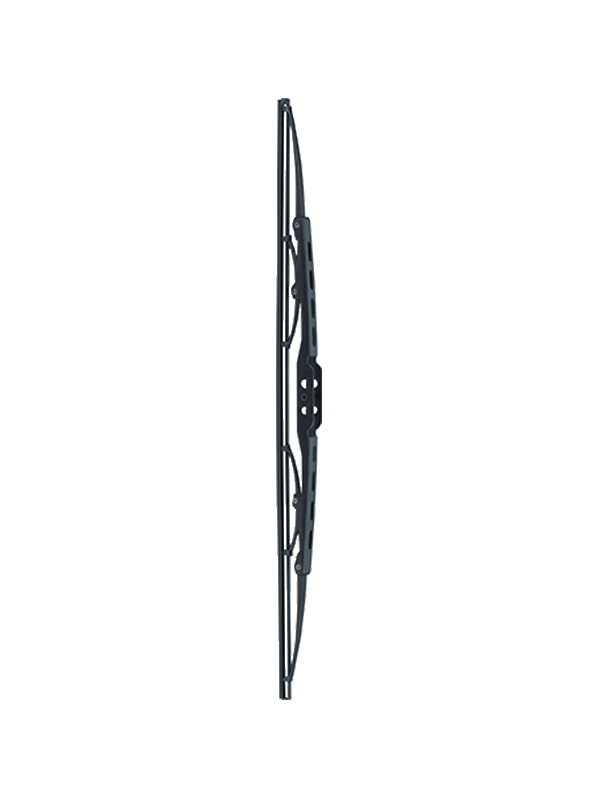
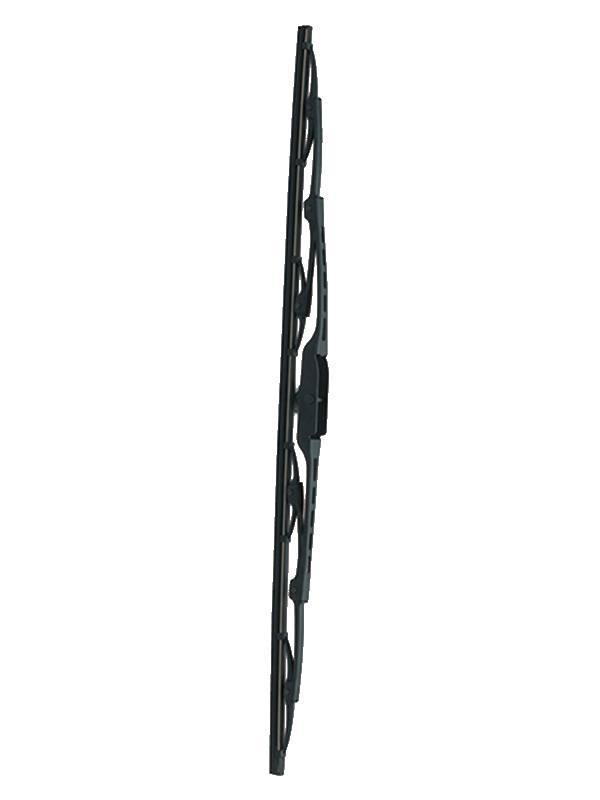
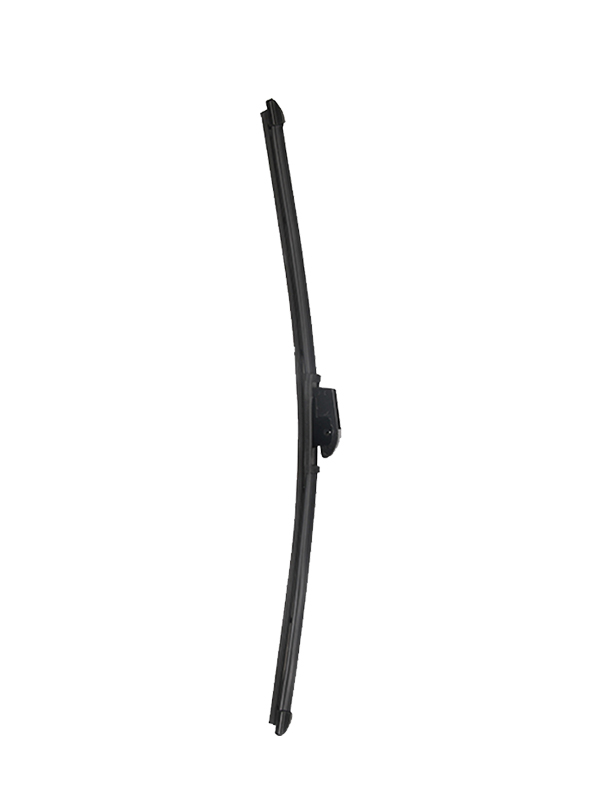

China's famous universal wiper blade manufacturer and customized wiper blade supplier.
share
contact information
Tel: +86-574-86572688
Fax: +86-574-86572685
Email: sales@aiduo-wiper.com
Add: Mechanical and Electrical Industrial Park, Luotuo Town, Zhenhai District, Ningbo City, Zhejiang Province, China.

