
 English
  中文简体
中文简体 


You are driving on a highway when a sudden downpour turns the windshield into a blurry canvas. The wipers struggle, leave streaks, and squeak against the glass. This scenario is not just annoying—it is dangerous. Reduced visibility contributes to thousands of accidents each year. The solution is simpler than you might think: upgrading to flat frameless wiper blades. These modern components have become the standard for new vehicles, and for good reason. This guide explains how frameless wiper technology works, its advantages over older designs, and how to select the best set for your car.
What Is a Flat Frameless Wiper Blade?
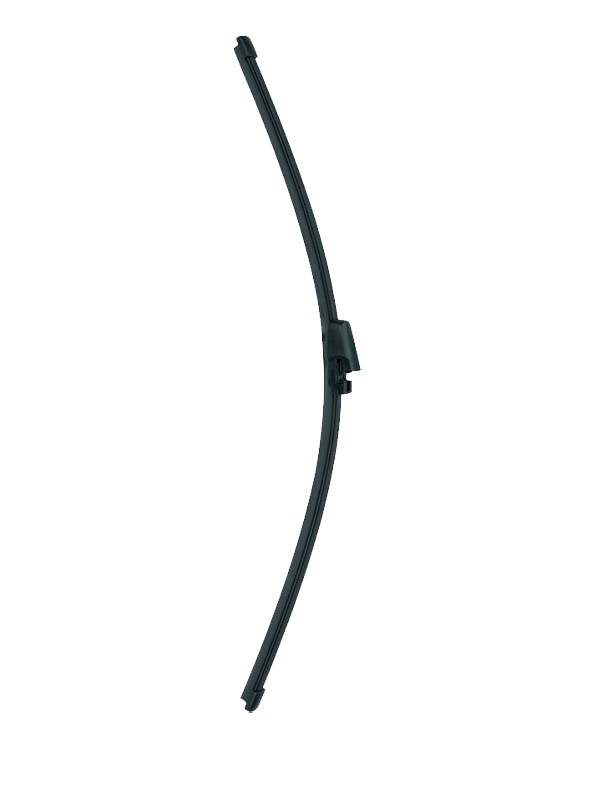
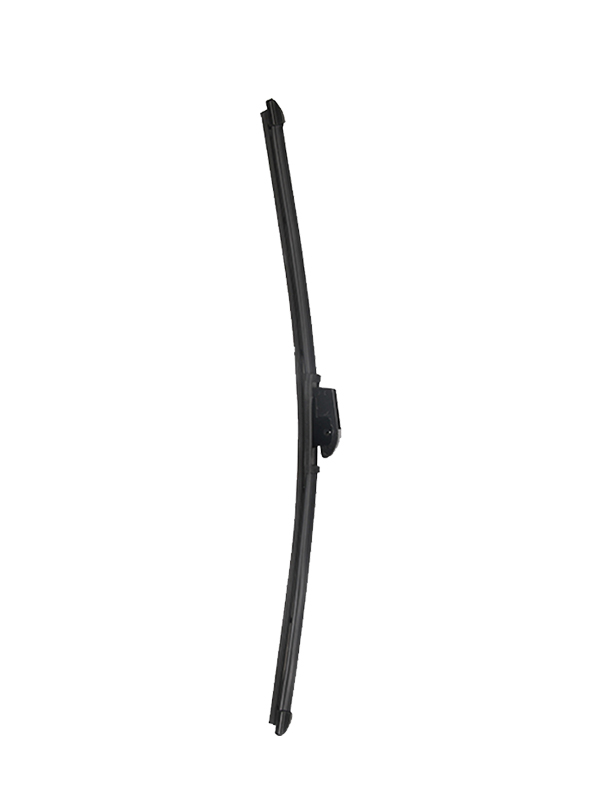
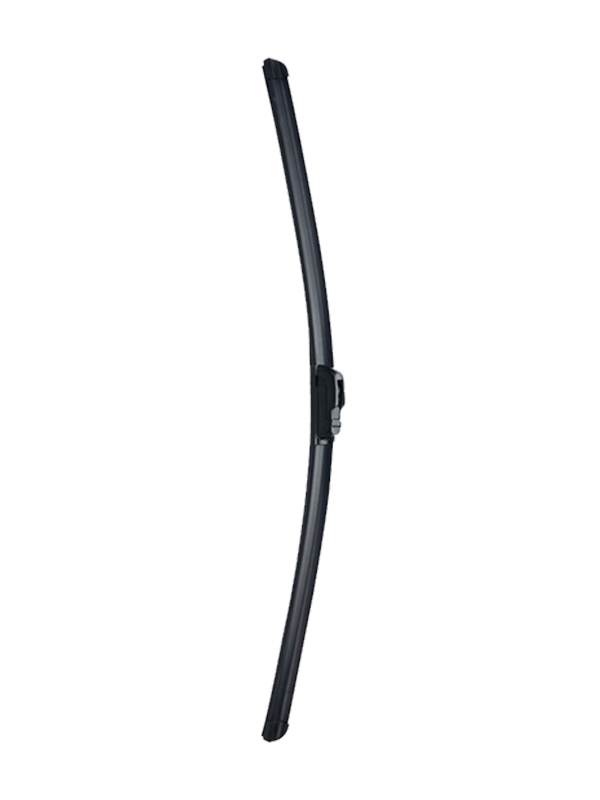
A flat frameless wiper blade, also known as a beam blade, represents a departure from traditional wiper design. Instead of relying on an external metal framework with multiple pressure points, the frameless design uses a single, curved steel spring that runs the entire length of the blade. This spring is encased in a sleek rubber housing, creating a unified structure that adapts to the windshield's curvature.
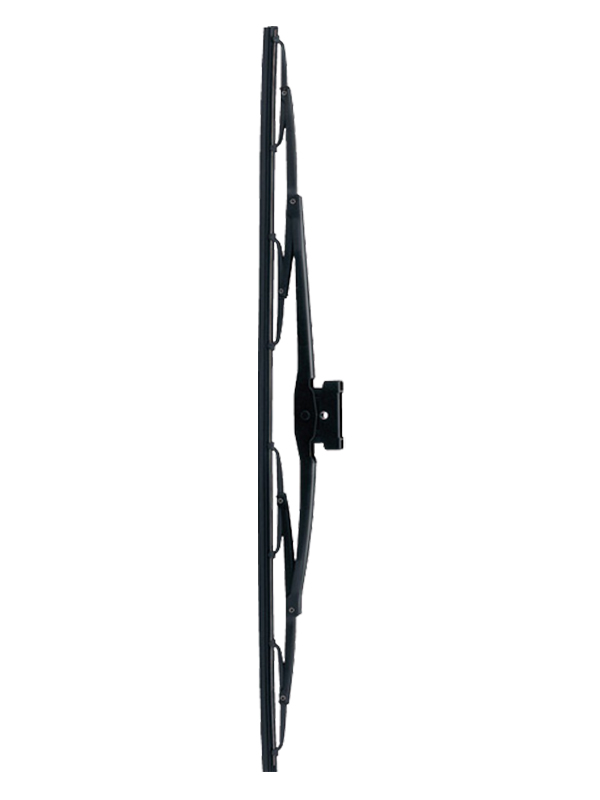
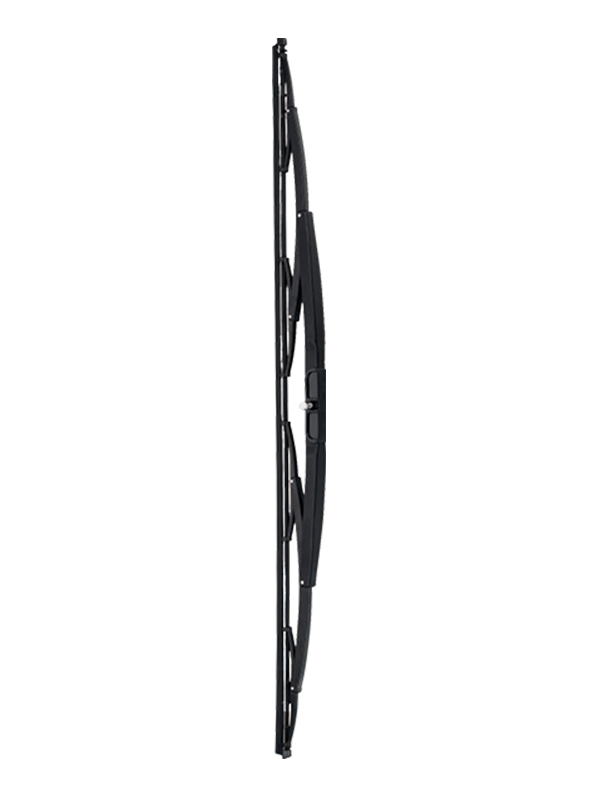
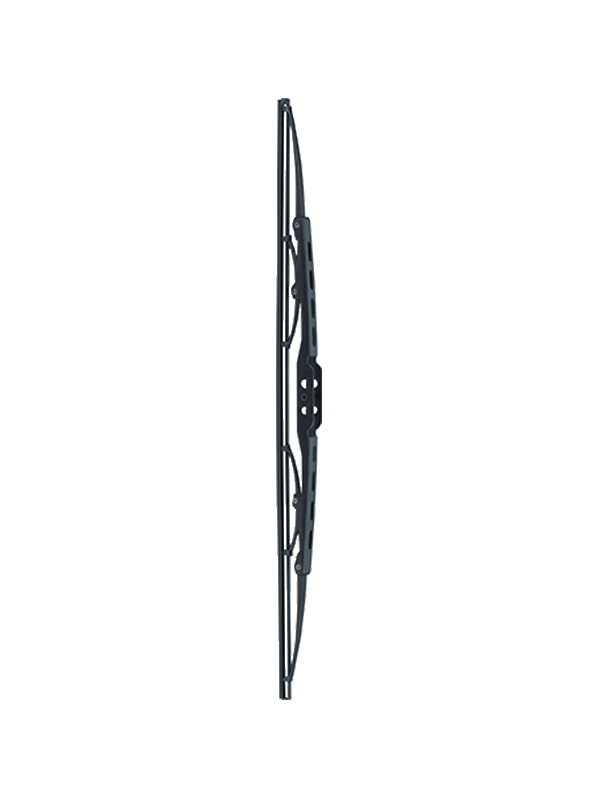
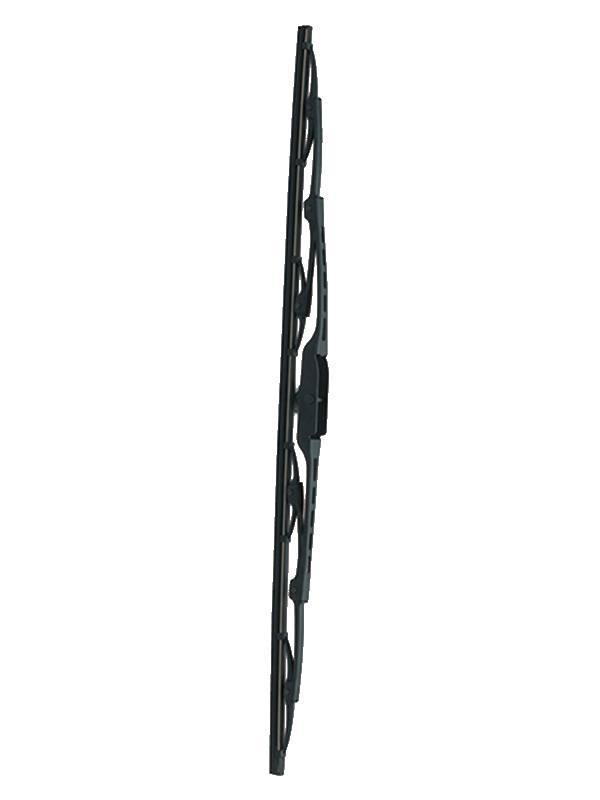
Traditional wipers use a series of articulated claws attached to a metal frame. These claws distribute pressure at specific points, which can leave untreated gaps. In contrast, the beam wiper blade applies continuous, even force from the center to the tips. When the wiper motor moves the arm, the spring tension ensures the entire rubber edge maintains contact with the glass, even on highly curved windshields. This structural difference is the foundation for every performance advantage that flat frameless blades offer.
Top 5 Benefits of Upgrading to Flat Frameless Wiper Blades
1. Streak-Free Wiping with Even Pressure Distribution
The unified spring mechanism delivers even pressure distribution across the entire blade length. This eliminates the common problem of dry spots or smears that occur when traditional frames lose tension. The result is streak-free wiping even during light drizzles or heavy downpours.
2. All-Weather Performance in Rain, Snow, and Ice
With no exposed metal joints, flat frameless blades resist ice and snow buildup. The smooth surface prevents snow from packing into the frame, a frequent failure point for conventional wipers. This makes them a true all-season performance component, functioning reliably from summer heat to winter storms.
3. Aerodynamic Design Reduces Wind Lift
The low-profile shape of a flat frameless wiper reduces wind resistance at high speeds. By minimizing wind lift, the blade maintains consistent contact with the windshield, preventing the annoying chatter and skipped wiping that occurs when air gets underneath the blade.
4. Longer Lifespan with Silicone/Natural Rubber Materials
Many premium flat frameless blades use advanced materials such as silicone or high-grade natural rubber. Silicone wiper blades resist UV degradation and ozone cracking, often lasting up to twice as long as standard rubber blades. This durability translates to fewer replacements and better long-term value.
5. Quiet Operation with Anti-Noise Technology
Thanks to the even pressure and aerodynamic design, flat frameless wipers operate with minimal vibration. The elimination of metal-to-metal contact points ensures quiet operation and noise-free wiping, so you can drive in peace without the rhythmic squeak of older wiper systems.
Flat Frameless Wiper vs. Traditional Wiper: Which Is Better?
Choosing between a flat frameless wiper vs traditional design depends on your priorities, but the data clearly favors the modern beam blade. The table below summarizes the key differences.
While flat frameless blades typically cost 20-30% more upfront, their extended lifespan and superior performance make them more cost-effective over time. Additionally, most flat frameless products include multiple universal adapters, covering over 98% of vehicle models on the road today.
Key Features to Look for in a High-Quality Flat Frameless Wiper
Not all flat frameless wipers are created equal. When evaluating options, focus on these critical factors:
- Material: Silicone rubber offers superior UV and ozone resistance compared to natural rubber. Silicone also has a self-lubricating property that can help maintain a hydrophobic film on the windshield.
- Adapter kit: A high-quality product includes a comprehensive set of universal adapters (U-hook, side-pin, bayonet, etc.) to ensure compatibility with various wiper arm types.
- Durability testing: Look for blades that have passed endurance tests, such as 750,000 wiping cycles, which simulate years of regular use.
- Water-repellent coating: Some premium blades are infused with a hydrophobic coating that transfers to the glass during each wipe, improving water beading and visibility.
When you choose wiper blades, prioritize these features over price alone. A slightly higher investment in a silicone rubber wiper with robust adapters pays off in performance and longevity.
How to Choose the Right Size Flat Frameless Wiper for Your Vehicle
Selecting the correct size is essential for optimal performance. Here is a simple wiper blade size guide:
- Check your current blades: Measure the length of the rubber edge or look for printed sizes on the old wiper. Common sizes range from 14 to 28 inches.
- Consult your vehicle manual: Most owner's manuals specify the correct sizes for driver and passenger sides.
- Use online tools: Many brands offer vehicle fitment databases where you enter your car's make, model, and year to get exact sizes.
- Note asymmetry: Driver and passenger side wipers often have different lengths. Always verify both sides.
If you are unsure, it is safer to choose the size recommended by a vehicle fitment guide rather than guessing. An incorrectly sized blade may leave streaks or fail to clear the full swept area.
Step-by-Step Installation Guide for Flat Frameless Wiper Blades
Installing a new set of flat frameless wipers is straightforward. Follow these steps for a secure fit:
- Remove the old wiper: Lift the wiper arm away from the windshield. Locate the small tab or locking mechanism on the old blade's connector. Press the tab and slide the blade out of the hook or pin.
- Identify the correct adapter: Examine the wiper arm adapter types provided in the new package. Match the adapter to your vehicle's arm style (most cars use a J-hook or side-pin).
- Attach the adapter: Click the chosen adapter into the blade's connector slot. Ensure it is firmly seated.
- Secure the blade to the arm: Slide the adapter onto the wiper arm until you hear a distinct "click." This indicates the locking mechanism is engaged.
- Test the wiper: Lower the arm gently onto the windshield. Activate the wipers to check for smooth, chatter-free movement. If you notice skipping or streaking, ensure the blade is properly seated.
Most flat frameless blades are designed for easy installation with minimal tools. If you encounter resistance, double-check that you have selected the correct adapter for your vehicle.
Top Flat Frameless Wiper Brands Worth Considering
Several manufacturers have established reputations for producing reliable flat frameless wipers. While specific models vary, look for brands that emphasize material quality, adapter variety, and rigorous testing. Leading names often offer proprietary technologies such as:
- Advanced silicone compounds that resist wear and maintain flexibility in extreme temperatures.
- Multi-adapter systems that include 8-10 different connectors for near-universal fitment.
- Graphite or PTFE coatings on the wiping edge to reduce friction and improve glide.
When researching the best flat frameless wiper for your needs, read reviews that focus on long-term performance rather than initial impressions. The top wiper brands consistently receive high marks for durability and all-weather reliability.
Frequently Asked Questions About Flat Frameless Wiper Blades
Q1: How long do flat frameless wipers last?
With normal use, a quality flat frameless wiper made from silicone can last 18 to 24 months, which is roughly twice the lifespan of traditional rubber blades. Natural rubber versions typically last 12 to 18 months. Regular cleaning of the windshield and the blade edge can extend this range.
Q2: Can I use frameless wipers in winter?
Yes, flat frameless wipers are excellent for winter conditions. Their seamless design prevents snow and ice from accumulating in metal joints, a common failure point for traditional wipers. The flexible beam also conforms better to the windshield when ice forms on the glass.
Q3: Are all flat wipers universal?
No, flat frameless wipers are not universal in the sense that one size fits all vehicles. However, most quality products include a range of universal adapters that fit the vast majority of wiper arm types. Always check the adapter compatibility before purchasing.
Q4: Why is my new frameless wiper still streaking?
Streaking on a new wiper blade is usually caused by one of two issues: incorrect size (the blade does not cover the full sweep area) or a dirty windshield with embedded oil or road grime. Clean the glass thoroughly with a dedicated glass cleaner and verify the size against your vehicle's requirements.
Conclusion
Upgrading to flat frameless wiper blades is one of the simplest and most effective ways to enhance driving safety and comfort. Their advanced design delivers superior visibility in all weather conditions, reduces noise, and offers longer service life compared to traditional framed wipers. By following the guidelines in this article—choosing the right size, verifying adapter compatibility, and selecting high-quality materials—you can ensure your windshield stays clear and your drives remain stress-free. Use this guide to make an informed decision and equip your vehicle with the best wiper technology available today.