

 English
  中文简体
中文简体 

Submit feedback
What Cars Have Heated Windscreens? How the Technology Works and Where to Find It

Frozen glass is one of winter's most stubborn motoring problems. Ice bonds to the outer surface overnight, mist forms on the inside as soon as the cabin fills with breath, and a handheld scraper only clears what an arm can reach. A heated windscreen attacks the problem at its source by warming the glass itself, so frost, ice and condensation release in minutes instead of tens of minutes.
This guide explains how the technology works, which categories of vehicles are most likely to carry it, how to confirm the feature on a specific car before buying, and how to support the glass with the right winter tools and wiper habits. The same routine matters even without the feature: powered de-icing tools remove the worst of the ice quickly, and careful technique keeps the surface scratch-free while the demister does its work.
 USB Rechargeable Electric Ice ScraperA powered scraper with a rotating de-icing head, palm-press switch, and USB-rechargeable battery that clears frost quickly without scratching glass—handy alongside a heated windscreen when heavy ice needs removing first.View Product →
How a Heated Windscreen Works
A heated windscreen is a laminated glass unit with a heating element built into its structure. Press the dedicated button and current flows through the element, raising the surface temperature just enough to melt ice on the outside and evaporate condensation on the inside. Two engineering approaches dominate the market.
Micro-wire designs
The earliest and still widespread method embeds extremely fine metal wires between the glass plies. The wires are thinner than a human hair and run in closely spaced horizontal rows, so most drivers notice them only as faint lines when sunlight strikes the glass at a shallow angle. Because the wires are laminated inside the glass rather than glued to it, they cannot be scratched off and they sit safely outside the wiper path.
Transparent conductive coatings
Newer designs bond an almost invisible metallic oxide film inside the laminate and pass current across the entire surface. The result is an evenly warmed pane with no visible lines at all, which also suits cars that carry a camera behind the mirror for driver assistance, because the camera zone stays optically clean.
In both cases a timer or control module shuts the heating down automatically after a few minutes, preventing a flattened battery if the driver forgets the button. The electrical draw is heavy but brief, which is why the system is always paired with healthy wiring and a correctly rated fuse.
Typical performance: a factory-fitted system clears frost and mist across the swept area in roughly two to three minutes, while idling and scraping can take ten minutes or more on a hard frost.
Neither approach needs upkeep, but both call for care whenever the glass is replaced, a point that matters again later in this guide.
Which Types of Cars Have Heated Windscreens
No single rule decides fitment, but clear patterns exist. The feature first earned its reputation in markets with hard winters, and manufacturers still concentrate it where drivers face regular frost. Today it appears in almost every vehicle class, yet it is rarely fitted across every trim, which means two cars from the same model line can differ.
Segments where the feature is common
- Compact hatchbacks and small estates aimed at cold-climate commuters, where the heated screen is often standard equipment.
- Premium SUVs and off-roaders, whose large glass area clears slowly on airflow alone.
- Electric crossovers and hatchbacks, because warming the glass directly uses far less energy than heating cabin air for defrosting.
- Vans and light commercial vehicles, where the driver cannot safely reach the centre of a tall windscreen with a scraper.
- Convertibles and sports cars in some markets, where the shallow rake of the glass makes scraping awkward.
Standard fit, optional extra, or absent
In volume segments the heated front screen is frequently bundled into a winter pack together with heated seats, heated washer jets and heated mirrors. In premium segments it is more often standard from a defined trim upward. Used-car buyers should watch model year and facelift timing closely, because equipment lists change mid-generation and a feature offered on later examples may be missing from earlier ones.
| Vehicle segment | How often it appears | Practical reason |
|---|---|---|
| Small hatchbacks and estates | Common, often standard in cold markets | Short journeys leave no time for slow defrosting |
| Premium SUVs and off-roaders | Frequent, usually on higher trims | Large glass areas clear slowly on airflow alone |
| Electric vehicles | Adoption growing quickly | Direct glass heating protects driving range |
| Vans and light commercial vehicles | Common on work-focused trims | Drivers cannot reach the centre of tall glass |
| Budget city cars | Less common | Cost targets keep the equipment list short |
Because availability shifts between markets and model years, the only dependable answer for a specific vehicle comes from its documentation, which the following sections explain in detail.
Why not every car has one
Cost is the first barrier: a heated laminated screen is considerably more expensive to produce than a standard unit, and in price-sensitive segments that cost shows up in the brochure. Packaging is the second: the heating layer, its wiring and the control electronics must share limited space with sensors, rain modules and camera mounts. Regional strategy is the third, since a version built for a mild-climate market may never offer the option at all.
How to Tell If a Car Has a Heated Windscreen
Buyers often face the question only after sitting in a frozen car. Four quick checks give a confident answer before money changes hands.
Start with the glass itself. Park so that sunlight or a bright lamp reflects off the screen at a shallow angle. Wire-type systems reveal rows of extremely fine, closely spaced lines; coating-type systems show a faint iridescent sheen with no lines at all. Next, search the dashboard for a button marked with a windscreen symbol and wavy heat lines, usually placed near the climate controls.
Written records settle any remaining doubt. The owner's manual lists the feature, the original build sheet shows it as a line item, and a dealer can confirm fitment from the vehicle identification number within seconds. For used cars bought at a distance, photographs of the dashboard and the glass taken by the seller are usually enough to verify the feature before a viewing.
Benefits and Limitations of Heated Windscreens
The appeal on a frosty morning is obvious, but a balanced view includes the compromises as well.
What the feature delivers
- Safety: the swept area clears uniformly, restoring full visibility before the driver finishes the pre-drive walkaround.
- Glass protection: melting the frost first removes the temptation to chip at ice, one of the most common causes of scratches.
- Condensation control: a warmed inner surface stops mist from reforming in damp, cold weather.
- Camera clarity: on cars with driver assistance, a clean camera zone keeps those systems available sooner.
Where the compromises sit
- Fine wires can create faint glare stripes around oncoming headlights at night, although most drivers stop noticing within days.
- Replacement glass costs more than a standard laminated unit, particularly for coating-type screens.
- The current draw is brief, but on electric cars it consumes stored energy, so well-designed systems manage the duty cycle carefully.
- Trim level decides everything: the technology may exist on the model without being fitted to the specific car.
On balance, drivers who regularly park outdoors in hard-frost regions gain the most, while garage-kept cars in temperate climates rarely justify a premium on their own.
Can You Retrofit a Heated Windscreen
Retrofitting is possible in some cases, but it is a glass replacement rather than a bolt-on accessory. A compatible heated screen must exist for the exact model and market version, and the job involves more than swapping the pane.
- Source a replacement laminated screen with the heating layer for the specific model and market version.
- Plan the electrical work: a dedicated feed, a relay, a switch or button, and a correctly rated fuse.
- Account for camera equipment, because cars with a windscreen-mounted camera need recalibration after any glass replacement.
- Compare the full cost, including calibration, against the price difference when buying a factory-equipped car instead.
For older, simpler cars the retrofit can be straightforward and genuinely worthwhile in hard-frost regions. For late-model vehicles packed with camera systems, many owners conclude that the money is better directed toward a better-specified replacement car.
Winter Windscreen Care That Complements the Technology
A heated screen handles frost, but the surrounding routine still decides how quickly the car is ready and how long the glass and blades last. Three habits matter most through the cold months.
Clear snow before it becomes ice
Deep snow should be brushed off the roof, bonnet and glass before driving, because snow that slides onto a warmed windscreen refreezes into a sheet that even a heated screen struggles to shift. A rotating, retractable snow brush with an extension pole reaches across wide roofs without leaning on the paint, then stows in the boot between storms.
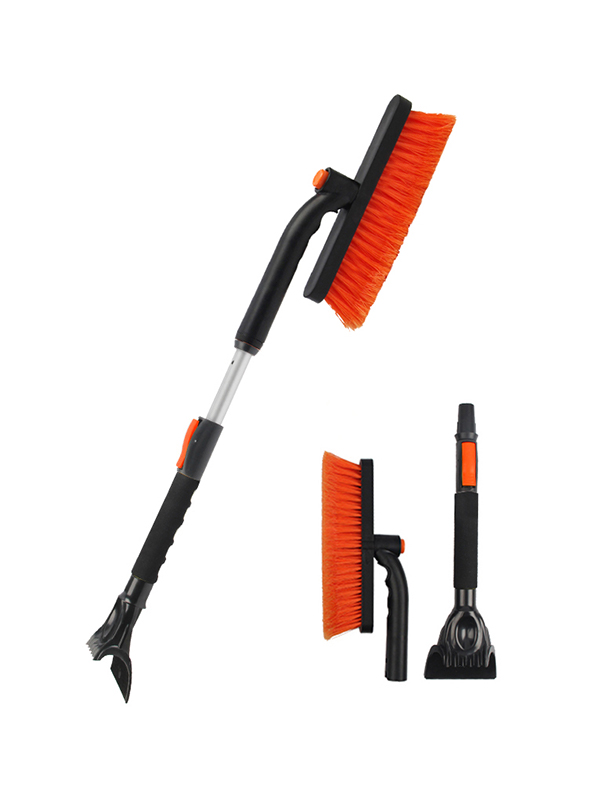 Rotating Retractable Snow Brush with Extension PoleTelescoping from 65.5 to 82.5 cm with a cushioned EVA grip and quiet retraction, this brush clears snow from roofs and windscreens before it can slide onto warm glass and refreeze.View Product →
Protect the wiper system
Frozen blades quietly ruin winter visibility. Never switch the wipers on while the rubber is bonded to ice; lift the blades away from the glass overnight during frost, or park with the screen facing away from the low morning sun. Winter-grade flat blades hold a consistent contact edge as temperatures swing, and the reasons why are set out in this guide to flat wiper blades engineered for winter driving.
Blade condition deserves a monthly check in winter. Cracked, split or chattering edges belong in the bin, and quality-focused manufacturers validate every design in dedicated wiping-performance testing precisely because a worn edge smears salt film across warm glass faster than any other fault.
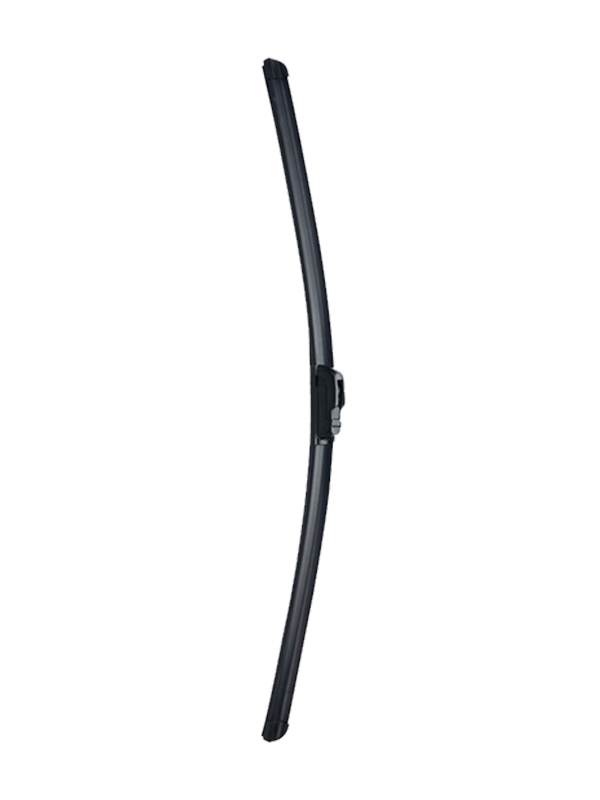 Frameless Flat Wiper Blade for Ford MondeoA natural-rubber frameless blade with spring steel backing, available in sizes from 13" to 28" and validated in wiping and durability tests—important for keeping visibility clear through winter salt and frost.View Product →
Fluid and de-icing technique
Top up with winter-grade washer fluid before the first frost, and never pour hot water onto frozen glass: the thermal shock can crack a cold pane instantly. Where no heated screen is fitted, a powered scraper softens the ice layer mechanically, and a stubborn frost patch still yields to a short engine run with the demister on full.
Heated windscreens sit at the meeting point of comfort and safety: they shorten the coldest minutes of the day and remove one of the riskiest habits in motoring, scraping hard ice while in a hurry. Knowing which vehicle classes carry the feature, and how to confirm it on an individual car, turns a spec-sheet mystery into a practical buying decision.
Frequently Asked Questions
Q1: Do all new cars have heated windscreens?
No. The feature is common in certain segments and cold-climate markets, but it is rarely spread across an entire model range. Trim level, model year and destination market all decide the outcome, so the build sheet or a dealer check remains the only certain method.
Q2: How long does a heated windscreen take to clear ice and mist?
Frost and mist typically clear in about two to three minutes. A thick layer of solid ice takes longer, because the heater must first break the bond between the ice and the glass; combining the heater with one quick scraper pass gives the fastest result.
Q3: Can I run the wipers while the heated windscreen is on?
Yes, once the surface ice has melted. Pulling blades across hard ice tears the rubber edge and can drag grit over the glass, so let the heater do the melting first and use the wipers to clear the wet residue afterwards.
Q4: Does a heated windscreen drain the battery or shorten electric driving range?
The current draw is high but brief, and a timer shuts the system down automatically, so a healthy charging system handles it easily. On electric cars the energy used is small compared with heating cabin air, which is exactly why the feature pairs so well with electric powertrains.
Q5: Can a chipped heated windscreen be repaired?
It depends on the position of the damage. A chip that crosses a heating wire or sits inside the camera zone usually rules out a clean repair, and many coating-type screens are replaced outright. A glass specialist should assess the pane before any repair is attempted.
Q6: Is a heated windscreen worth the extra cost?
For drivers who face regular frost, the minutes saved on winter mornings and the reduced risk of scratched glass justify the price quickly. In mild climates where frost is rare, the money may deliver more value spent on other equipment.
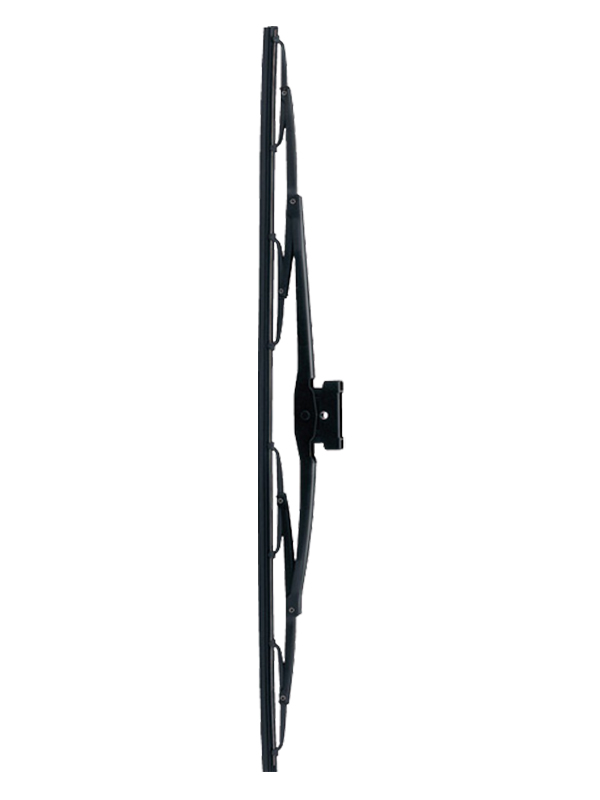
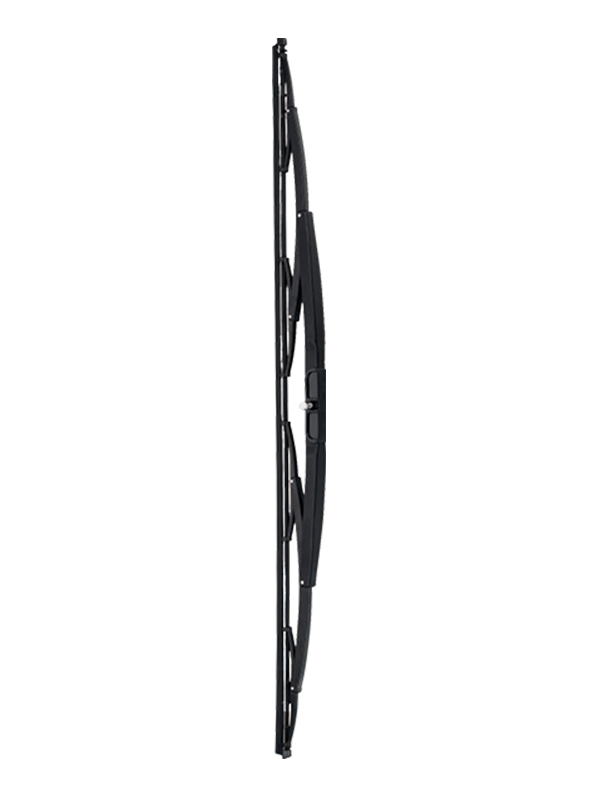
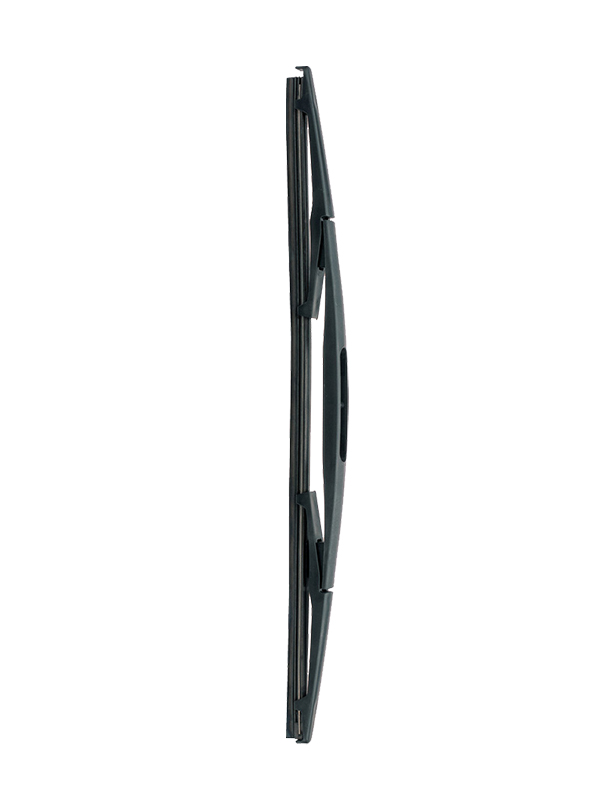
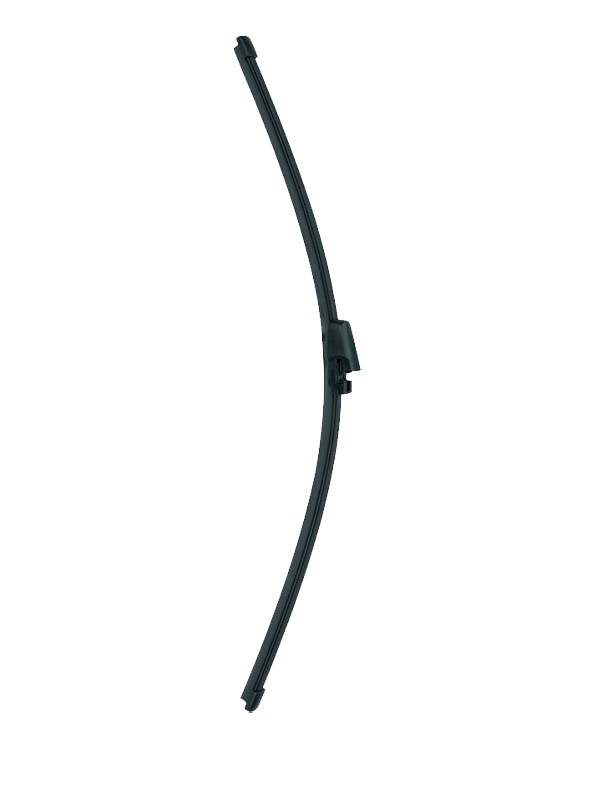
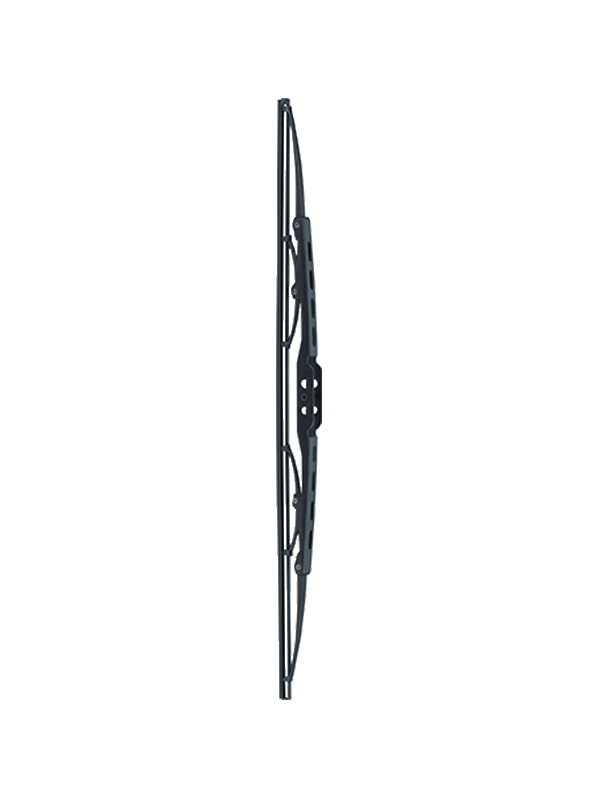
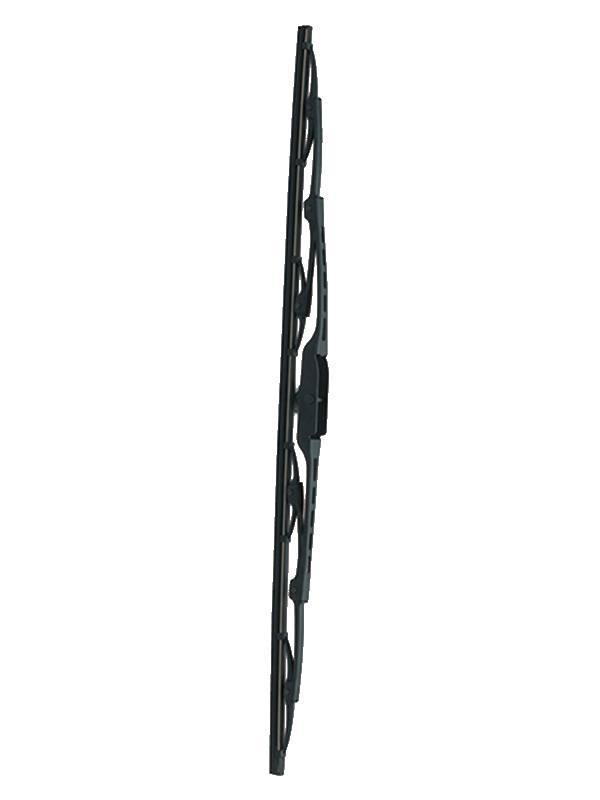
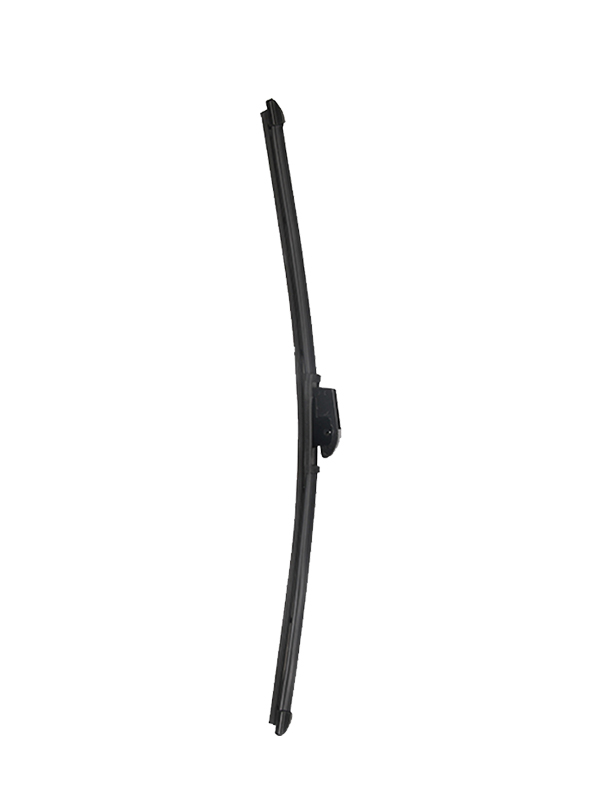

China's famous universal wiper blade manufacturer and customized wiper blade supplier.
share
contact information
Tel: +86-574-86572688
Fax: +86-574-86572685
Email: sales@aiduo-wiper.com
Add: Mechanical and Electrical Industrial Park, Luotuo Town, Zhenhai District, Ningbo City, Zhejiang Province, China.

