

 English
  中文简体
中文简体 

Submit feedback
Why Is Your Wiper Blade Leaving Streaks?

Why Your Wiper Blade Is Leaving Streaks
The main reason your wiper blade leaves streaks is simple: it is no longer making consistent contact with the windshield surface. This usually happens due to wear, contamination, or improper installation. In cases, streaking is a sign that the wiping edge has lost flexibility or has accumulated debris, reducing its ability to clean evenly.
Streaking is not just a cosmetic issue. It can significantly reduce visibility during rain or snow, increasing driving risk, especially at night or in heavy weather conditions.
Worn or Damaged Wiper Blade Edge
One of the common causes of streaking is a worn rubber edge. Over time, the rubber hardens, cracks, or becomes uneven due to exposure to sunlight, heat, and cold cycles.
Signs of blade wear
- Uneven wiping across the windshield
- Thin water lines left behind after each pass
- Visible cracks or rough edges on the rubber strip
When the rubber loses elasticity, it can no longer maintain uniform pressure, resulting in inconsistent cleaning patterns.
Dirty Windshield Surface or Blade Contamination
Streaks are often caused by dirt or oily residues on either the windshield or the wiper blade itself. Dust, road film, and insect residue can build up quickly, especially in urban environments.
Common contaminants
- Road dust and fine particles
- Oil-based residues from traffic pollution
- Tree sap or organic debris
Even a new blade can streak if the windshield is not properly cleaned, as contaminants create uneven friction across the glass surface.
Improper Installation or Blade Misalignment
Incorrect installation can prevent the blade from sitting flat against the windshield. Even a small angle deviation can reduce contact efficiency and create visible streaks.
Installation issues that cause streaking
- Loose attachment to the wiper arm
- Incorrect blade size or curvature mismatch
- Uneven pressure distribution across the blade
When alignment is off, certain sections of the blade may lift slightly, leaving uncleaned streaks behind.
Environmental Factors Affecting Wiper Performance
External conditions also play a role in streak formation. Temperature extremes, UV exposure, and seasonal debris can all reduce wiping efficiency over time.
Key environmental influences
- Heat causing rubber hardening and loss of flexibility
- Cold weather reducing blade elasticity
- Frequent exposure to dust or sand particles
These factors accelerate natural wear and make streaking more likely, even if the blade is relatively new.
Practical Solutions to Eliminate Streaks
Fixing streaks usually involves a combination of cleaning, inspection, and timely replacement. Addressing the root cause ensures long-term clarity and safe driving visibility.
Effective corrective actions
- Clean windshield and blade rubber regularly to remove buildup
- Inspect blade edges for cracks or uneven wear
- Ensure correct installation and proper alignment
- Replace blades when elasticity is lost
Maintaining clean contact surfaces and proper blade condition significantly reduces streaking and improves overall wiping performance.
How to Prevent Future Streaking Issues
Preventive care is the effective way to avoid recurring streaks. Simple maintenance habits can extend the functional lifespan of your wiper system.
- Wipe blades gently with a clean cloth every few weeks
- Avoid using dry wipers on a dusty windshield
- Keep windshield surfaces free from oil and residue buildup
- Inspect blades seasonally for early signs of wear
Consistent maintenance helps maintain smooth, streak-free wiping performance and ensures clearer visibility in all weather conditions.
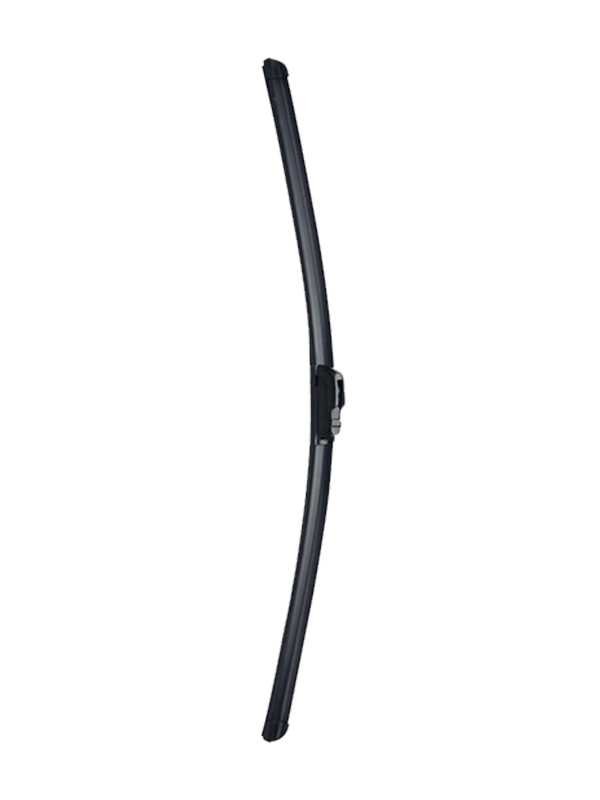
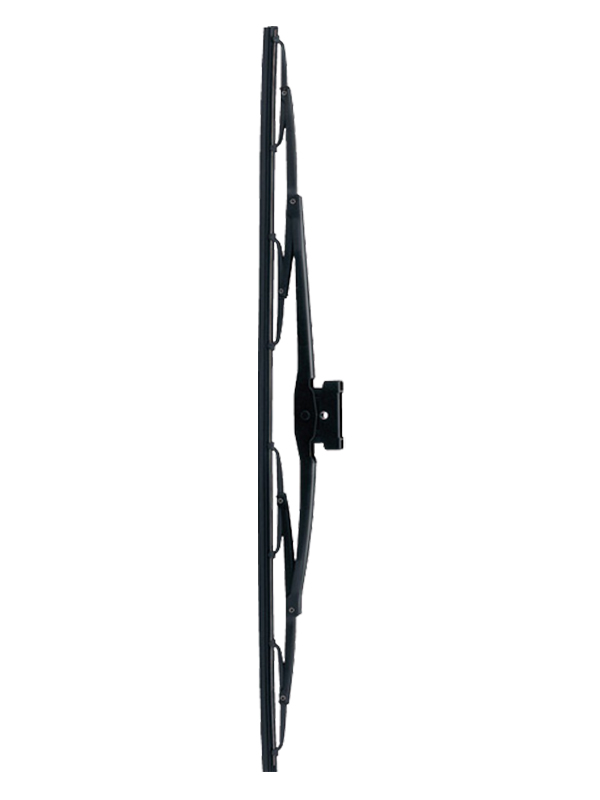
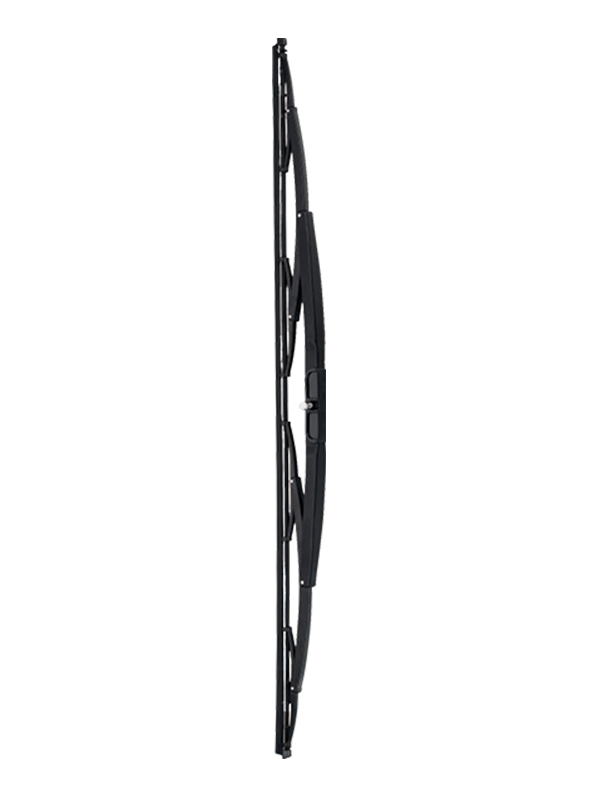
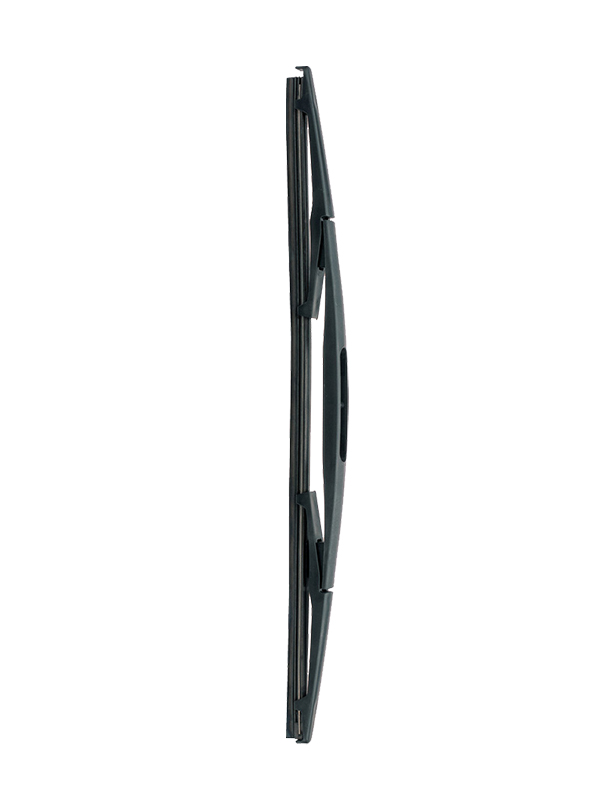
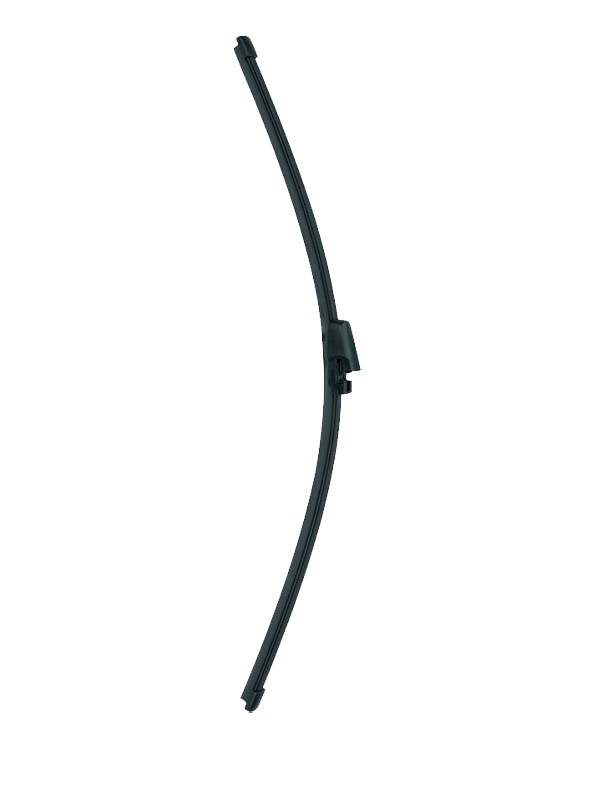
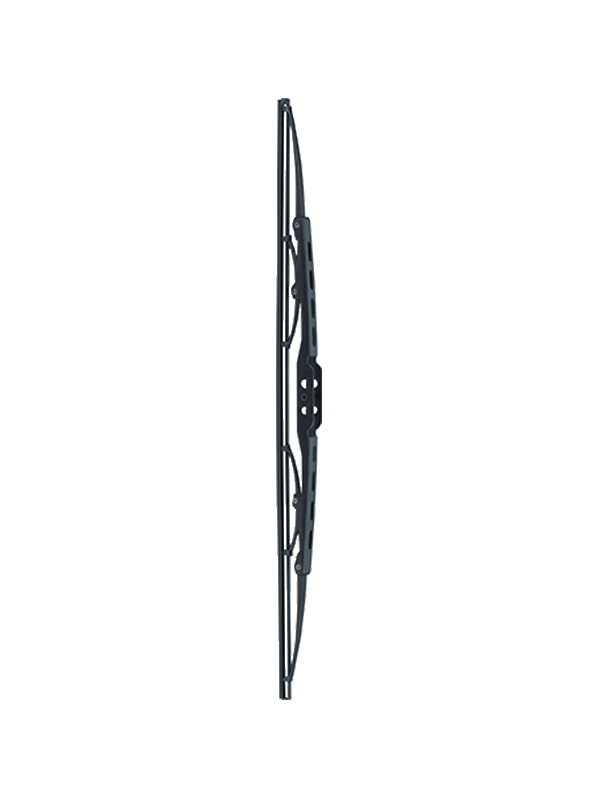
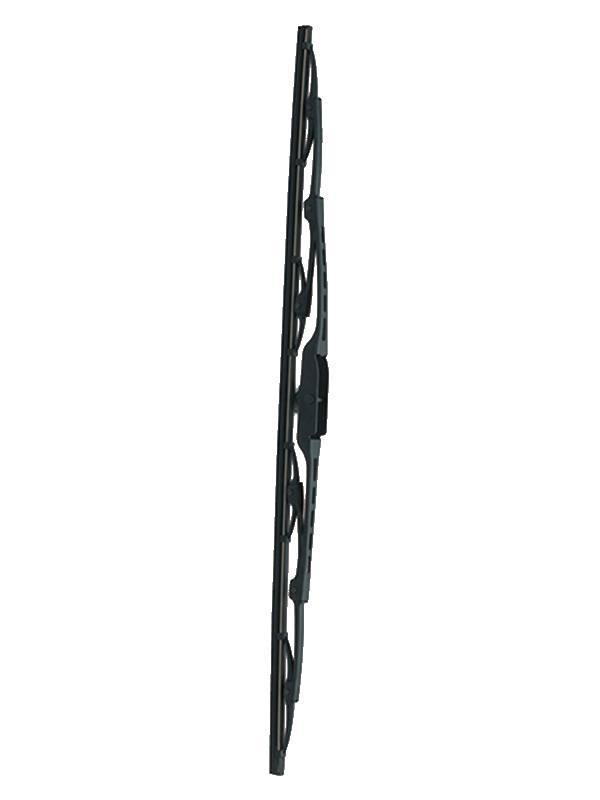
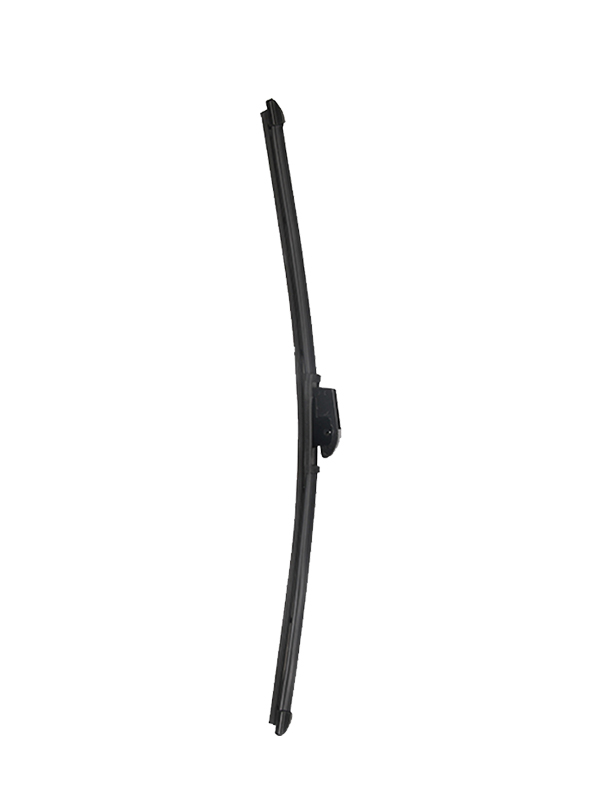

China's famous universal wiper blade manufacturer and customized wiper blade supplier.
share
contact information
Tel: +86-574-86572688
Fax: +86-574-86572685
Email: sales@aiduo-wiper.com
Add: Mechanical and Electrical Industrial Park, Luotuo Town, Zhenhai District, Ningbo City, Zhejiang Province, China.

