

 English
  中文简体
中文简体 

Submit feedback
How to Maintain and Extend the Life of Your Flat Wiper Blades?

Regular Cleaning and Inspection Significantly Extend Flat Wiper Blade Life
The effective way to extend the life of your flat wiper blades is to keep both the blades and windshield clean, inspect the rubber regularly, avoid operating them on dry glass, and replace worn blades before severe damage occurs. Proper maintenance can help maintain wiping performance for 6–12 months or longer, depending on climate, driving conditions, and usage frequency.
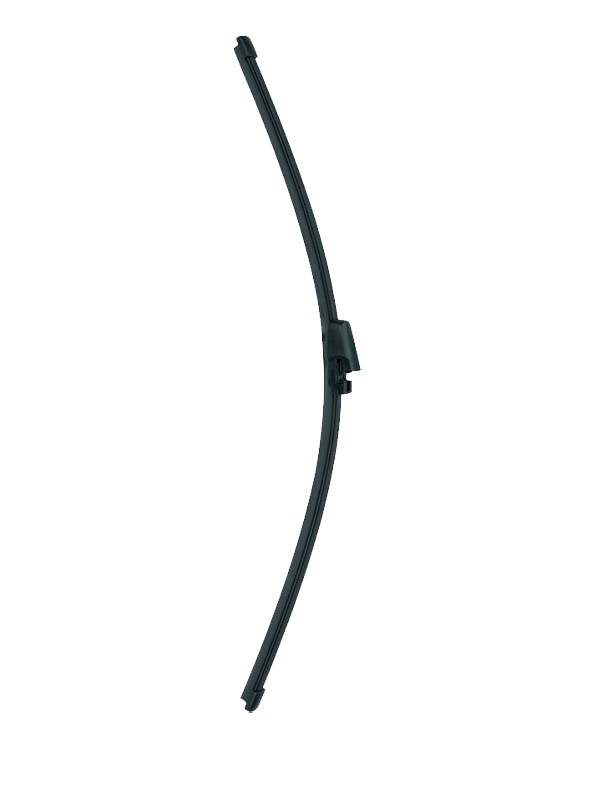
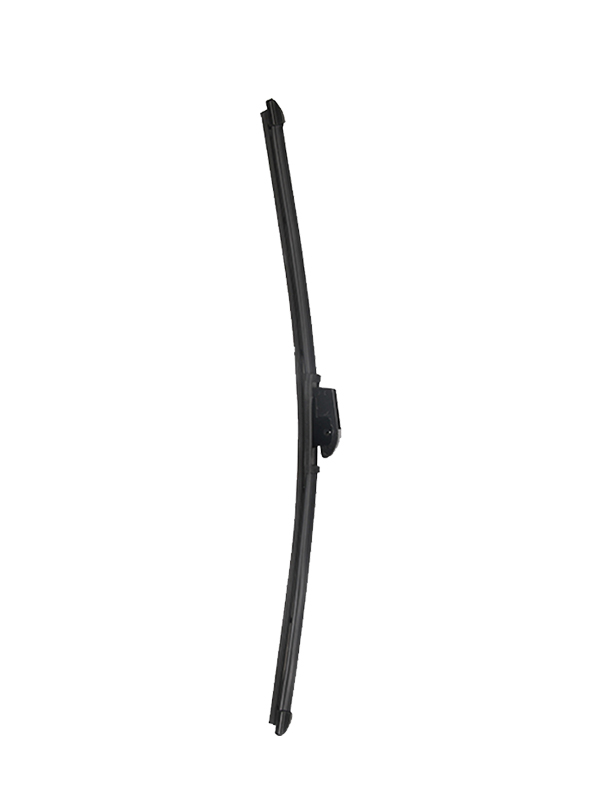
Because flat wiper blades feature an aerodynamic, frameless design, they provide uniform pressure across the windshield and generally experience less mechanical wear than traditional framed blades. However, exposure to UV radiation, heat, dirt, ice, and road contaminants can still accelerate deterioration if maintenance is neglected.
Why Flat Wiper Blades Wear Out
Understanding the causes of wear helps prevent premature failure. The rubber edge of a flat wiper blade is constantly exposed to environmental stress and friction.
Environmental Exposure
Sunlight, ozone, temperatures, and airborne pollutants gradually harden the rubber. As flexibility decreases, the blade loses its ability to maintain consistent contact with the windshield.
Dirt and Abrasive Particles
Dust, sand, pollen, and road debris become trapped between the blade and glass. These particles can create microscopic cuts in the rubber edge and reduce wiping efficiency.
Dry Operation
Running wipers on a dry windshield increases friction dramatically. This unnecessary stress accelerates rubber wear and may cause streaking or skipping.
Clean Your Flat Wiper Blades Regularly
Routine cleaning is one of the simplest and effective maintenance practices.
- Lift the wiper arm carefully away from the windshield.
- Use a soft cloth dampened with water or mild detergent.
- Wipe the rubber edge until dirt and residue are removed.
- Clean the windshield at the same time to prevent contamination.
- Repeat the process every few weeks or after driving in dusty conditions.
Removing accumulated contaminants helps maintain smooth movement across the glass and reduces abrasive wear on the rubber edge.
Keep the Windshield Clean
Many drivers focus only on the wiper blades, but windshield condition directly affects blade lifespan. A dirty windshield increases friction and accelerates rubber degradation.
| Contaminant | Potential Impact on Blades |
|---|---|
| Dust and sand | Causes abrasive wear |
| Tree sap | Increases friction and residue buildup |
| Road grime | Reduces wiping efficiency |
| Bird droppings | May damage rubber if left untreated |
Regular windshield washing helps maintain blade performance and visibility.
Protect Blades from Extreme Weather
Hot Weather Protection
Prolonged exposure to direct sunlight can dry out rubber compounds. Whenever possible, park in shaded areas or covered parking to reduce UV exposure and heat buildup.
Cold Weather Protection
During freezing conditions, ensure blades are not stuck to the windshield before activating the wipers. Pulling frozen blades across the glass may tear the rubber edge or damage the wiper arm mechanism.
Never use wipers to remove heavy ice accumulation. Instead, clear ice and snow manually before operating the system.
Use Washer Fluid Properly
Windshield washer fluid helps reduce friction while removing contaminants. Operating flat wiper blades with adequate fluid minimizes stress on the rubber and improves cleaning effectiveness.
- Maintain sufficient washer fluid levels.
- Use season-appropriate formulations.
- Avoid substituting plain water for extended periods.
- Activate fluid before wiping heavily soiled glass.
Inspect Blades for Early Signs of Wear
Early detection of wear prevents reduced visibility and potential windshield damage.
Common Warning Signs
- Streaks remaining after wiping.
- Chattering or skipping across the glass.
- Squeaking noises during operation.
- Visible cracks or splits in the rubber.
- Uneven contact with the windshield surface.
If any of these symptoms persist after cleaning, replacement may be necessary to maintain safe visibility.
Maintenance Checklist for Longer Blade Life
| Task | Recommended Frequency |
|---|---|
| Clean blades | Every 2–4 weeks |
| Wash windshield thoroughly | Regularly |
| Inspect rubber edge | Monthly |
| Check washer fluid level | Monthly |
| Replace worn blades | As needed |
Conclusion
Maintaining flat wiper blades requires consistent but simple care. Regular cleaning, proper windshield maintenance, protection from weather, correct use of washer fluid, and routine inspections can significantly slow wear and preserve wiping performance. By following these practical maintenance steps, drivers can improve visibility, reduce replacement frequency, and maximize the service life of their wiper blades.

China's famous universal wiper blade manufacturer and customized wiper blade supplier.
share
contact information
Tel: +86-574-86572688
Fax: +86-574-86572685
Email: sales@aiduo-wiper.com
Add: Mechanical and Electrical Industrial Park, Luotuo Town, Zhenhai District, Ningbo City, Zhejiang Province, China.

