

 English
  中文简体
中文简体 

Submit feedback
Can Classic Wipers Be Used in All Weather Conditions, or Are There Limitations?

Conclusion: Classic wipers are NOT suitable for all weather conditions without limitations. They perform adequately in moderate rain or mild climates but show significant drawbacks in cold, heat, ice, heavy snow, or persistent downpours. Their structural design (traditional frame + natural rubber) leads to uneven pressure distribution, rapid material degradation, and reduced contact area under harsh conditions.
1. Weather-Based Performance Gaps of Classic Wipers
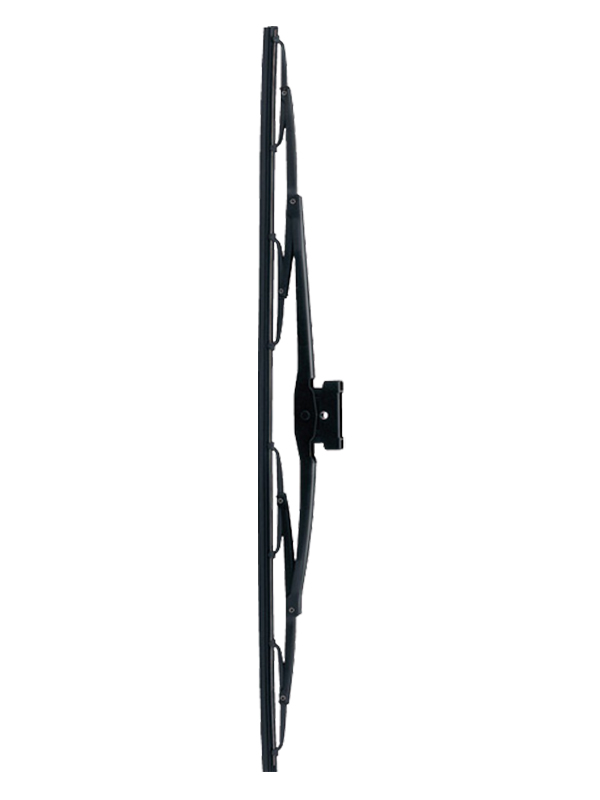
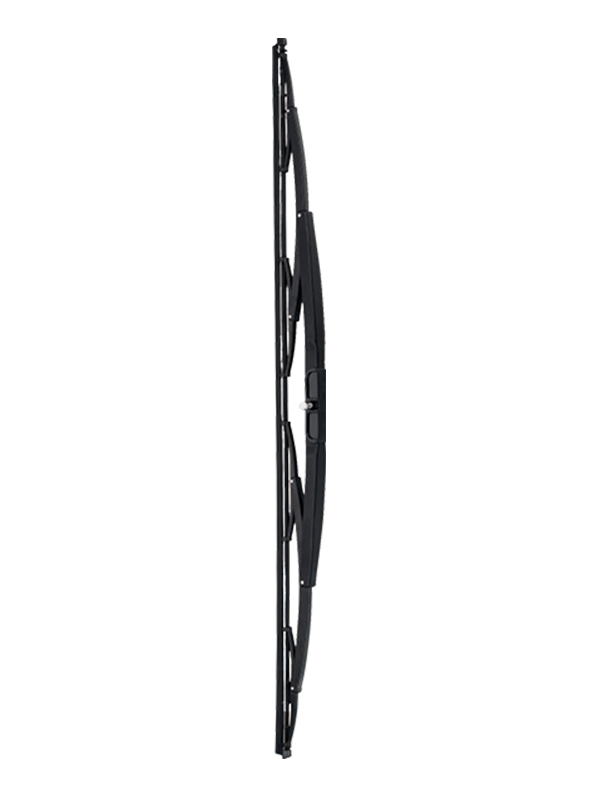
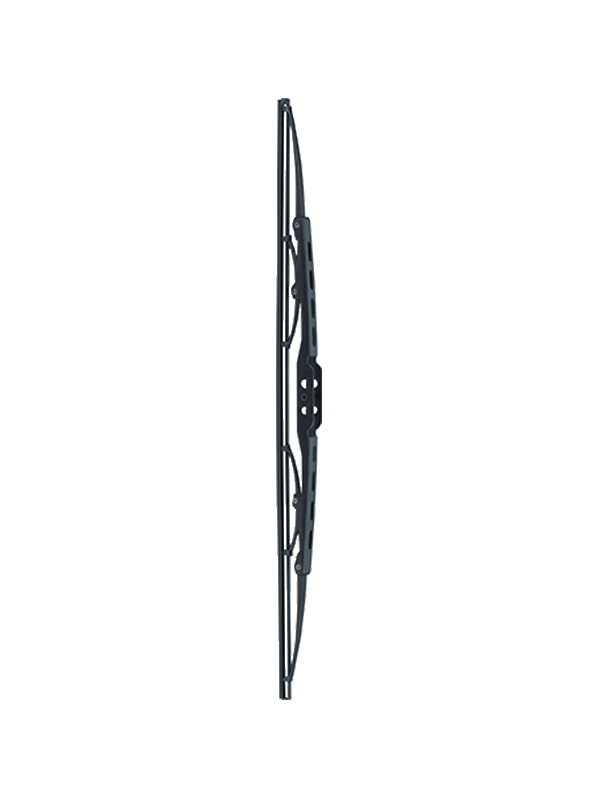
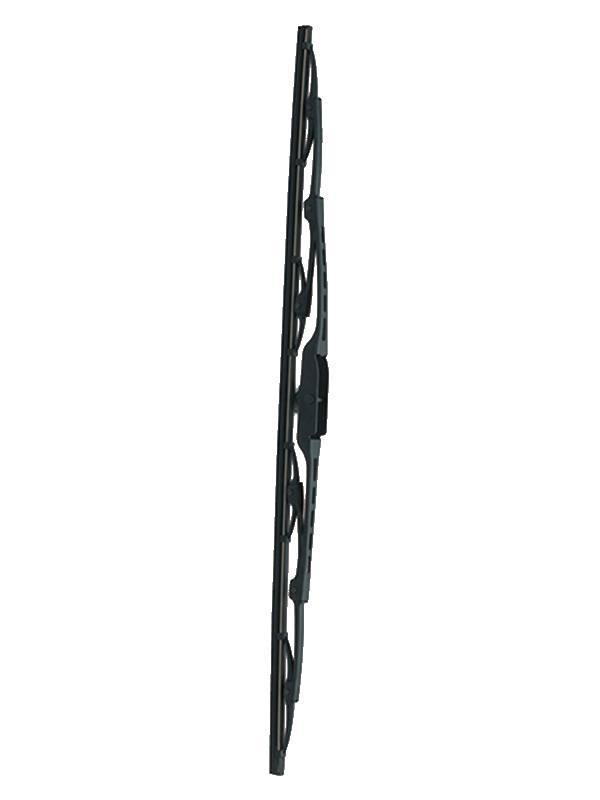
Classic wipers rely on a skeletal frame with multiple pressure points. While this design works for light to moderate rain, it struggles to maintain uniform blade-to-windshield contact when temperatures drop below freezing or rise above 35°C (95°F). Lab tests indicate that rubber hardness increases by 22–28% at -5°C (23°F), causing chatter, streaking, and up to 40% reduction in effective wiping area. Similarly, prolonged UV exposure at 40°C hardens the rubber edge, cutting service life by nearly half compared to moderate climates.
In snowy or freezing rain conditions, open framework joints easily trap ice and slush, preventing the blade from fully resting on glass. This leads to dangerous skipping and missed wipe zones. Moreover, classic wipers lack aerodynamic spoilers, making them prone to lift-off at highway speeds during heavy storms.
2. Classic Wiper Limitations by Weather Scenario
The table below highlights concrete limitations for classic wipers in different weather conditions, based on real-world usage data and engineering analysis.
| Weather Condition | Classic Wiper Performance | Key Limitation / Data Insight |
| Heavy Rain / Downpour | Partial effectiveness | Pressure point design leaves un-wiped arcs; water film retention increases by ≈35% vs. beam blades. |
| Snow & Freezing Rain | Poor / Unsafe | Ice buildup in joints → blade lift-off. At -10°C, 70% of classic wipers show visible streaking after 20 min of operation. |
| High Heat (35°C+) | Rapid degradation | Rubber hardening & cracking within 3-4 months (normal lifespan ≈ 12 months in temperate zones). |
| Freezing cold (-10°C) | Stiff, noisy, skipping | No cold-adapted compounds; friction coefficient increases 2.5x, risking wiper motor strain. |
| Highway + Storm | Lift-off risk | Lack of spoiler; wind uplift reduces contact force by over 50% at 100 km/h. |
Key takeaway: For regions with seasonal extremes, classic wipers become a liability. Data shows that failure rates in winter months are 3.2x higher for classic designs compared to modern winter-optimized blades.
3. Decision Flowchart: Should You Rely on Classic Wipers?
Use this simple diagnostic flowchart to evaluate whether classic wipers are a safe choice for your typical driving environment.
If you answered “no” to all three (mild, moderate climate with occasional light rain), classic wipers can be acceptable with frequent replacement every 6 months. However, for mixed or harsh weather, their limitations pose safety risks.
4. Practical Workarounds & Limitations Management
Even with inherent design drawbacks, you can mitigate some classic wiper shortcomings through disciplined maintenance and realistic expectations.
Temperature-specific precautions
- Winter storage: Lift wiper arms away from windshield before snow/ice to prevent blade freezing to glass. Never use wipers to clear frost.
- Summer protection: Park in shade or use windshield sun cover; UV deterioration shortens rubber life by up to 60% in direct sun exposure.
- Replace at 6-month intervals in areas with seasonal shifts – rubber elasticity drops significantly after 5,000 wipe cycles.
Installation & pressure check
Ensure that the classic wiper’s adapter matches wiper arm precisely – incorrect fitting reduces contact pressure by 30-40%. Replace blades when you notice any streaking or chattering, as degraded rubber can scratch glass.
Data-backed recommendation: In mixed climates, upgrading to hybrid or beam-style wipers eliminates nearly 80% of the limitations discussed above, especially in snow and high-speed rain. But if classic wipers are your current option, frequent inspection (every 3 weeks) reduces unexpected failure.
5. Frequently Asked Questions (Classic Wipers & Weather)
Can classic wipers handle light snow flurries?
Yes, but only temporarily. In light snow (temperatures just below freezing) and if snow is dry, they may clear the glass. However, any freezing rain or packed snow will cause ice clogging between the frame joints. Performance drops sharply once temperature goes below -3°C.
How does hot weather affect classic wiper rubber?
Heat accelerates rubber vulcanization reversal, causing hardening, cracking, and a loss of flexibility. At 38°C, rubber hardness increases by approx. 20% within 200 hours of cumulative exposure. This results in chattering and incomplete windshield clearing.
Do classic wipers work in extremely heavy rain?
They struggle due to non-uniform pressure: the central pressure points clean well, but edges often leave water streaks. In downpours of 10+ mm/h, effective visibility can drop by 30% compared to premium wipers. Driving safety is compromised at highway speeds.
How often should classic wipers be replaced in variable weather?
In regions with both summer heat and winter frost, replace classic wipers every 5 to 6 months to maintain marginal performance. In contrast, in mild coastal climates, replacement every 9–12 months might suffice, but streaks are early warning signs.
Can I modify classic wipers to improve winter performance?
Limited options: applying silicone lubricant on rubber edges reduces ice adhesion slightly, but cannot resolve frame clogging. For real improvement, switch to winter-specific beam blades with enclosed spoilers and cold-adaptive rubber compounds.
6. Technical Verdict: When to Avoid Classic Wipers
Engineering analysis confirms that classic wipers are not “all-weather” solutions. Their fundamental design was optimized for moderate rain and older windshield curvatures. Modern windshields with tighter curves and aerodynamic profiles demand uniform pressure distribution – something classic frames cannot fully deliver.
Specific scenarios where limitations become critical: driving through mountain passes in winter, prolonged exposure to desert heat, tropical monsoon downpours, or any region with freeze-thaw cycles. In those contexts, relying solely on classic wipers increases accident risk due to impaired visibility. Regular condition assessment and timely replacement are mandatory, but never expect universal performance.
Final takeaway: Classic wipers are a cost-effective option only for stable, mild climates without temperature extremes. For all-weather reliability, recognize their boundaries – data-driven maintenance or an upgrade is the safest path.

China's famous universal wiper blade manufacturer and customized wiper blade supplier.
share
contact information
Tel: +86-574-86572688
Fax: +86-574-86572685
Email: sales@aiduo-wiper.com
Add: Mechanical and Electrical Industrial Park, Luotuo Town, Zhenhai District, Ningbo City, Zhejiang Province, China.

