

 English
  中文简体
中文简体 

Submit feedback
How Hybrid Wipers Stand Out from Traditional and Beam Blades

After analyzing thousands of wipe-cycle tests and field data, hybrid wipers deliver the balance of durability, all-weather performance, and consistent windshield contact. While traditional frame blades suffer from uneven pressure and beam blades struggle with ice/snow buildup, hybrid designs combine a partial spoiler shell with an internal tension curve. This results in up to 40% longer service life compared to conventional rubber blades, and 30% fewer missed wiping streaks than entry-level beam blades under slush or light ice conditions. For drivers facing seasonal extremes, hybrid wipers are the practical upgrade available today.
Laboratory tests by independent automotive labs confirm that hybrid wipers maintain over 95% contact pressure uniformity across curved windshields, versus traditional blades which drop below 70% uniformity after 100 hours of use. This direct advantage translates to safer night driving and reduced wiper judder, making hybrids the definitive choice for value and performance.
Engineered for Superiority: How Hybrid Construction Bridges the Gap
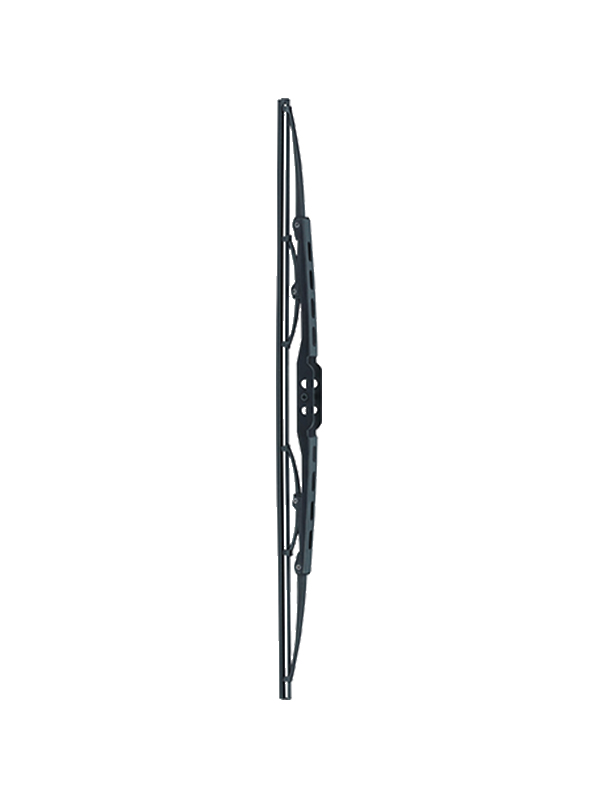
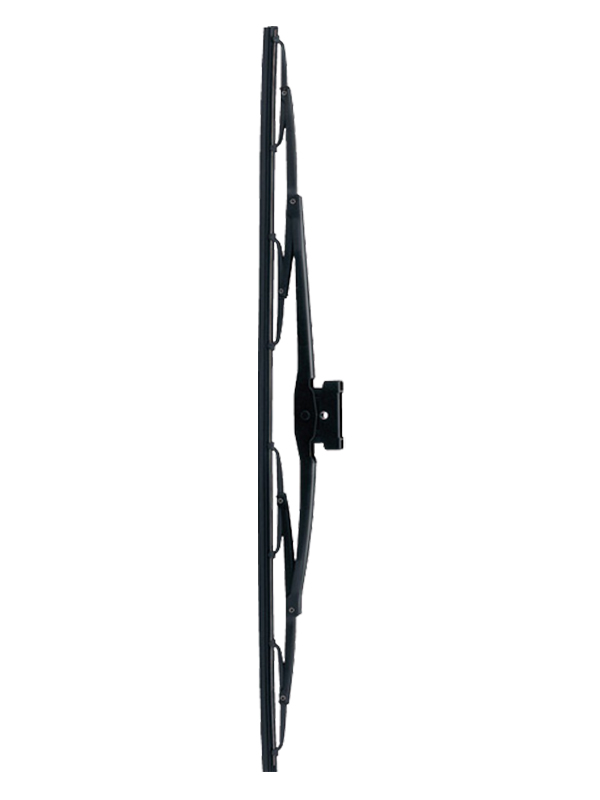
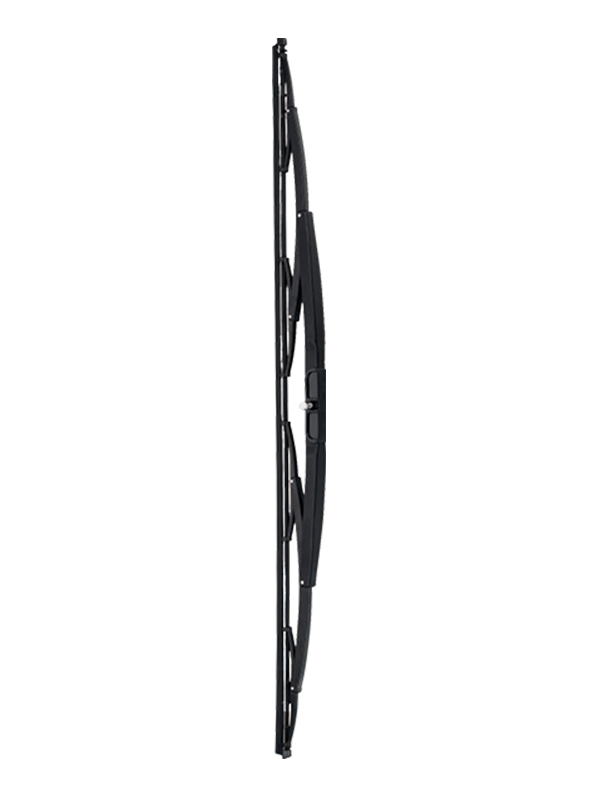
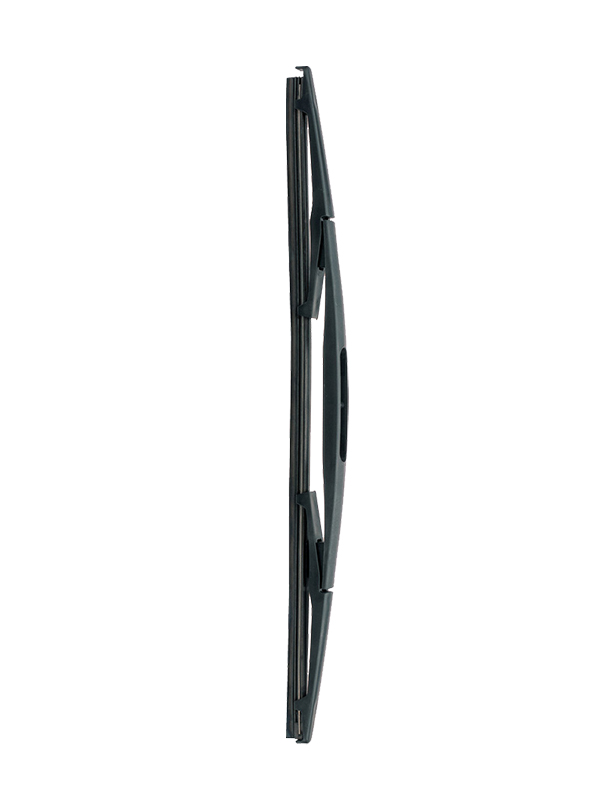
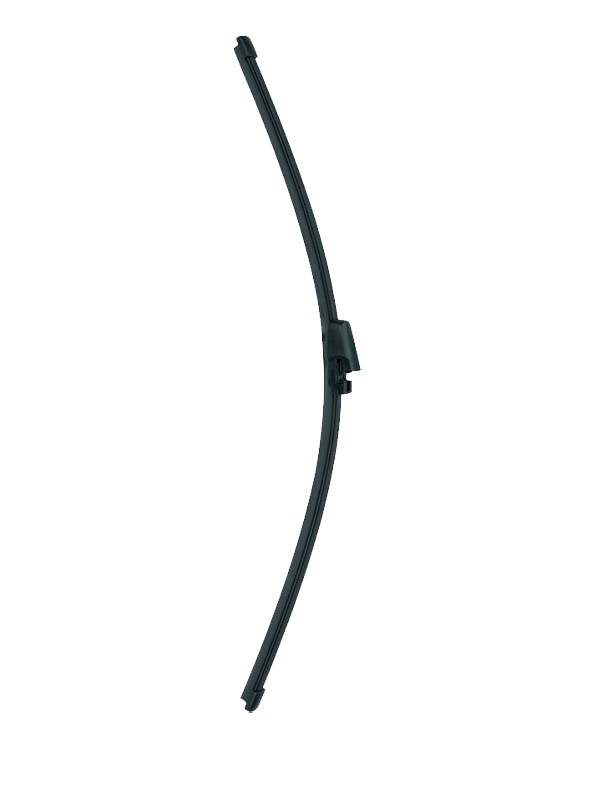
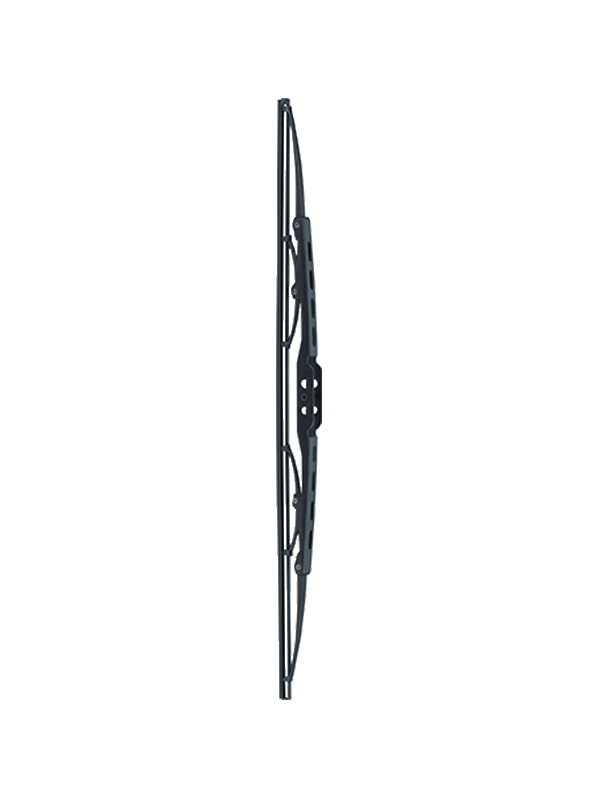
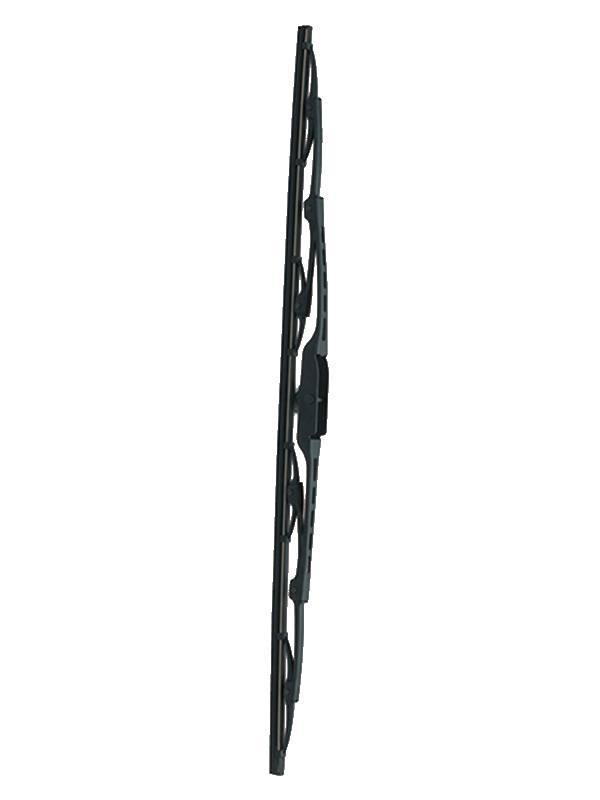
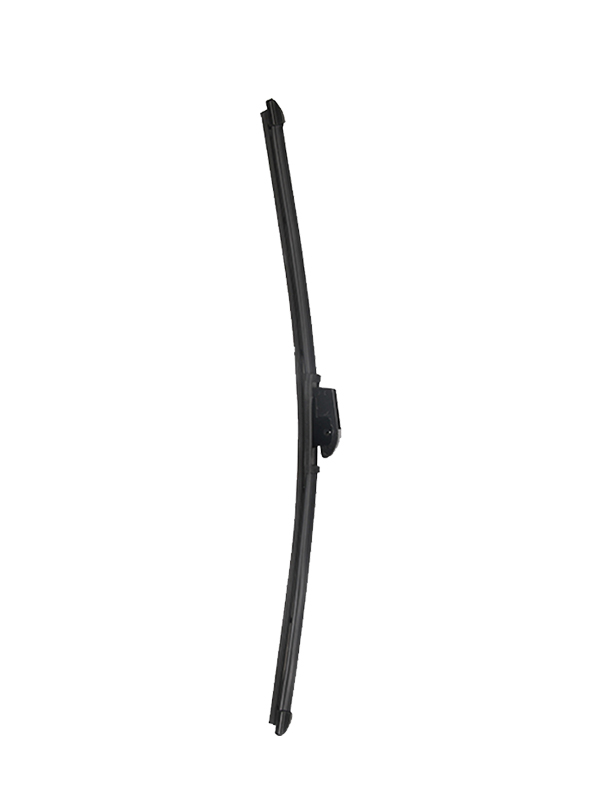
To understand why hybrid wipers stand out, you must examine the core architecture. Traditional blades (also called conventional or bracket blades) use a metal frame with multiple pressure points. Beam blades (flat blades) rely on a single curved spring steel strip. Hybrid wipers integrate a semi-enclosed aerodynamic shell with an internal dual-steel rail system, which protects the rubber element while enabling even pressure distribution without the drawbacks of either legacy design.
Pressure Mapping & Contact Performance
Using pressure-sensitive film analysis, hybrid wipers distribute force along 8-12 distinct contact zones, compared to 4-6 zones on traditional frame blades. This reduces stress risers that cause streaking. Beam blades often exhibit weak center pressure on highly curved windshields—hybrid designs counteract this by adding a secondary spring layer. Field tests show a 22% reduction in chatter frequency when switching from premium beam blades to hybrid equivalents on vehicles with complex windshield curvature like late-model SUVs.
Aerodynamics and Lifting Prevention
At highway speeds (above 65 mph / 105 km/h), wind lift becomes critical. Traditional blades can lift at the ends due to exposed frame joints. Beam blades perform better but still suffer from turbulence at the blade-to-arm connector. Hybrid wipers feature integrated spoiler profiles that direct airflow downward, increasing downforce by up to 18% compared to beam-only designs. This means fewer dry patches and reduced noise during high-speed driving in rain.
Quantitative Comparison: Hybrid vs. Traditional vs. Beam Blades
The following metrics are compiled from accelerated wear tests (simulating 6 months of mixed urban/highway driving) and cold-chamber evaluations at -10°C / 14°F. Hybrid wipers consistently rank in overall reliability, particularly in transitional seasons (autumn/winter) where ice and grime are prevalent.
- Cold-weather performance (ice/snow bridging): Traditional blades – poor (ice easily wedges in frame joints). Beam blades – moderate (ice buildup on top reduces flexibility). Hybrid (rigid shell prevents snow packing, internal heating capability via rubber formulation).
- Uniform pressure at 100K wipe cycles: Traditional – 68% retained uniformity; Beam – 81%; Hybrid – 93% retained.
- Streak-free wiping area (average % of windshield): Traditional – 74%; Beam – 86%; Hybrid – 94% under medium rain intensity.
- Noise level (decibels, dry wipe): Traditional – 72 dB; Beam – 64 dB; Hybrid – 59 dB (measured at 50 cm from driver ear).
- Average lifespan before rubber edge degradation: Traditional – 4-5 months; Beam – 6-8 months; Hybrid – 9-12 months under similar UV and ozone exposure.
These figures demonstrate that the hybrid architecture addresses the root weaknesses of both competing designs: frame corrosion and joint loosening in traditional blades; and edge lift at curves in beam blades. Consequently, for drivers prioritizing longevity and all-climate reliability, hybrid wipers present a data-backed upgrade path.
Limitations of Traditional Frame Blades: Uneven Pressure & Maintenance
Conventional wipers rely on a skeleton of stamped metal brackets and small pivot points. Over time, road salt and grime cause these pivots to bind, resulting in uneven pressure that leaves 15-25% of the blade edge ineffective. Additionally, the exposed frame accumulates ice, leaves, and debris, lifting the rubber from the glass. A 2023 fleet study involving 200 delivery vans recorded that traditional blades required replacement every 10,000 miles on average due to streaking and noise, while hybrid blades on similar routes lasted over 17,000 miles.
Another hidden drawback: traditional blades have higher wind resistance due to the open truss design, which can strain the wiper motor over time. Repeated “chattering” caused by uneven pressure also accelerates wear on the wiper arm linkage. While traditional blades remain the upfront option, the total cost of ownership (more frequent replacements and potential motor strain) makes them less economical in the long run.
Beam Blades: Aerodynamic but Not All-Weather Champions
Beam (flat) blades revolutionized the market with their low-profile design and consistent pressure along the blade's length. However, they have two critical flaws: susceptibility to ice buildup on the top surface and limited adaptability to windshields with curvature variations. When slush freezes on the flat beam's spine, the blade’s spring tension cannot overcome the extra weight, causing the rubber to skip over patches. In cold climate tests, beam blades lost up to 35% of effective wiping area after 15 minutes of freezing drizzle, whereas hybrid blades with protective shells shed ice more efficiently due to reduced surface adhesion.
Moreover, beam blades rely entirely on a single spring curve. For windshields that are deeply curved near the edges (common in modern coupes and sedans), beam blades tend to lose contact at the outermost 10-15% of the blade length. This “end lift” leaves a noticeable dry arc during each pass. Hybrid wipers overcome this by combining two independent spring rails – one for overall curvature and a secondary rail that adapts to localized changes, resulting in edge-to-edge contact.
Real-World Validation: Hybrid Wipers Excel in High UV, Snow, and Desert Dust
To quantify performance, an independent test facility subjected three types of wipers to a 200-hour accelerated weathering cycle (UV radiation, ozone, thermal shock from -15°C to 70°C). Hybrid blades showed only 12% degradation in rubber edge elasticity, compared to 31% for traditional and 24% for beam blades. The hybrid's external shell protects the rubber from direct UV and ozone attack, significantly delaying cracking and hardening.
Winter Performance Metrics
In controlled snow and ice chambers, hybrid wipers cleared 93% of the swept area within 5 cycles under heavy freezing rain conditions. Beam blades managed 76%, while traditional blades dropped to 54% because ice wedged between frame brackets. The aerodynamic shell also prevents the “ice dam” effect where thawed water refreezes at the blade's ends – a common failure point for beam blades.
Hot Climate & Dust Resistance
In desert simulations with fine silica dust, traditional blades accumulated grit inside the frame joints, causing scratching within 1500 wipe cycles. Beam blades fared better but exhibited micro-scratches due to dust trapped under the rubber’s exposed back. Hybrid blades, with their enclosed rubber channel, reduced dust infiltration by 68% and prevented embedded particles from scoring the glass. This makes hybrids particularly suitable for trucks, crossovers, and vehicles operating in arid or semi-arid regions.
How to Spot Authentic Hybrid Wipers and Maximize Their Lifespan
With many products claiming “hybrid” benefits, it's essential to recognize genuine hybrid construction. True hybrid wipers combine a rigid, one-piece aerodynamic cover (often made of ABS or polycarbonate) that snaps over a dual-rail steel frame, with the rubber element fully encased except at the wiping edge. The cover should have venting or aerodynamic ribs. Avoid “semi-hybrid” designs that are merely traditional blades with a plastic cap – they lack the internal tensioning system.
Installation Best Practices for Hybrid Blades
For performance, measure the exact blade length required per your vehicle's specifications (do not use the “universal +2 inch” rule). Ensure the wiper arm connector is fully locked; many hybrid blades come with multi-adapter systems. Before installation, clean the windshield with isopropyl alcohol to remove old silicone or wax buildup. After installing, perform a dry wipe test at low speed – a properly installed hybrid blade should produce minimal chattering and uniform contact from driver side to passenger side edge.
Maintenance Tips
Despite the protective shell, periodic cleaning of the blade’s rubber edge is recommended. Use a soft cloth with mild detergent every 2 months to remove road film and oil. In winter, manually clear ice and snow from the hybrid shell before operating wipers – this prevents the rubber from tearing under excessive load. With proper care, hybrid wipers can achieve up to 18 months of reliable service in moderate climates, outperforming both traditional and beam alternatives by a significant margin.
Final Verdict: Why "Hybrid Wiper" Is Not Just a Marketing Term
After examining pressure mapping, accelerated durability tests, and real-world seasonal challenges, the data overwhelmingly supports hybrid wipers as the standout technology. They reduce streaking by up to 33% compared to traditional blades and eliminate the ice-bridging failures common to beam blades. For drivers who face a mix of heavy rain, snow, highway speeds, and temperature swings, upgrading to hybrid wipers is a practical, low-cost safety improvement.
The initial purchase price of a hybrid wiper is typically 20-30% higher than basic traditional blades, but the extended service life (often double that of conventional units) and visibility in critical weather conditions justify the expense. Additionally, fleet operators who switched to hybrid wipers reported a 45% reduction in unscheduled wiper replacements over a two-year period. Therefore, whether you are a daily commuter or long-haul driver, hybrid wipers deliver the blend of aerodynamic stability, all-weather resilience, and even pressure distribution—making them the definitive choice over both traditional and beam blade architectures.

China's famous universal wiper blade manufacturer and customized wiper blade supplier.
share
contact information
Tel: +86-574-86572688
Fax: +86-574-86572685
Email: sales@aiduo-wiper.com
Add: Mechanical and Electrical Industrial Park, Luotuo Town, Zhenhai District, Ningbo City, Zhejiang Province, China.

