

 English
  中文简体
中文简体 

Submit feedback
Flat Wiper Blades Explained: Answers to the Most Common Questions

The automotive industry has seen a significant shift in windshield maintenance technology over the last decade. As vehicle designs become more aerodynamic and curved, the traditional braced wiper has largely been replaced by the flat wiper. Understanding the mechanics, benefits, and maintenance requirements of these components is essential for both distributors and end-users seeking road safety.
What Defines a Flat Wiper?
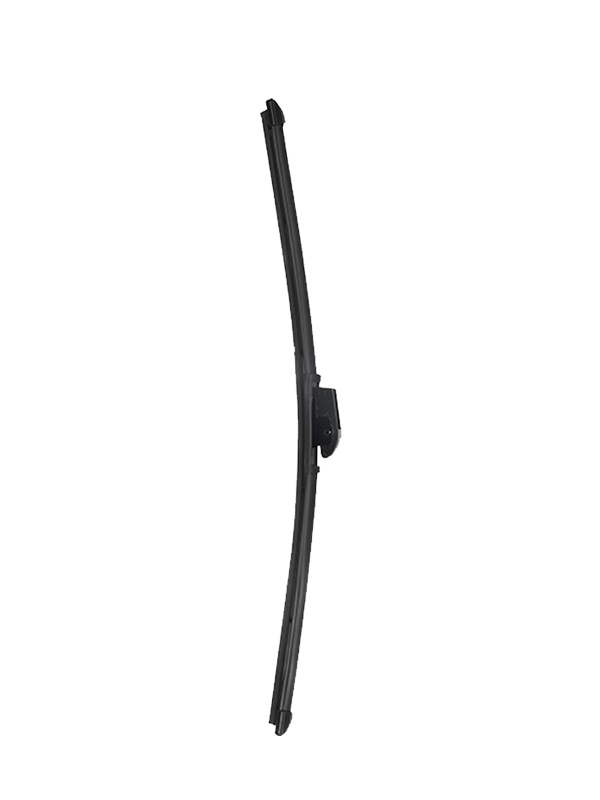
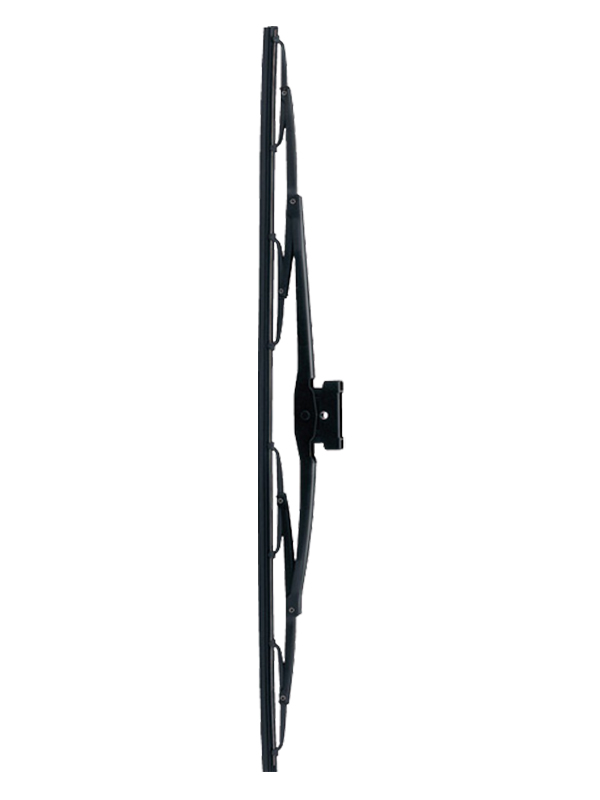
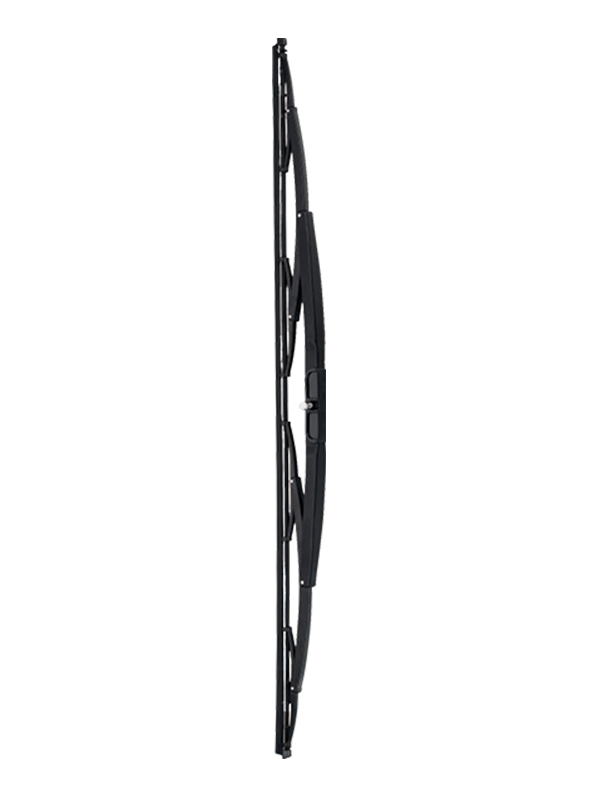
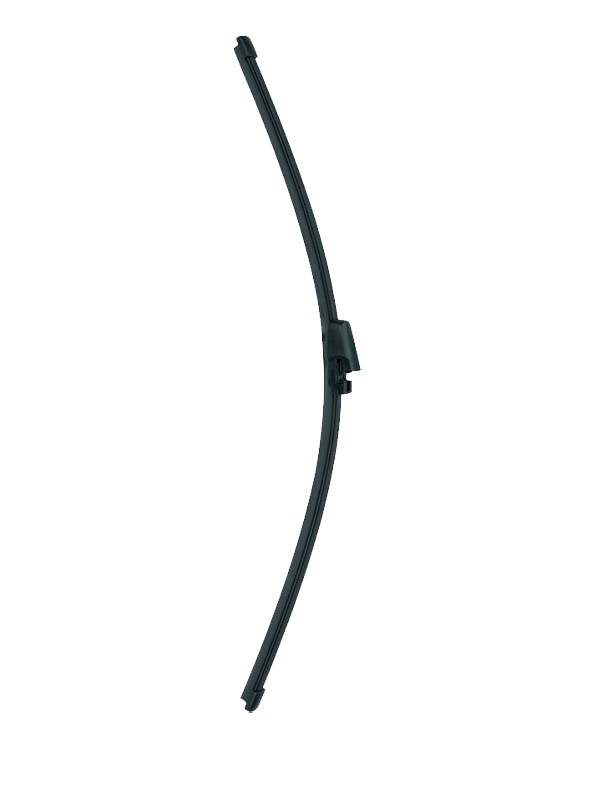
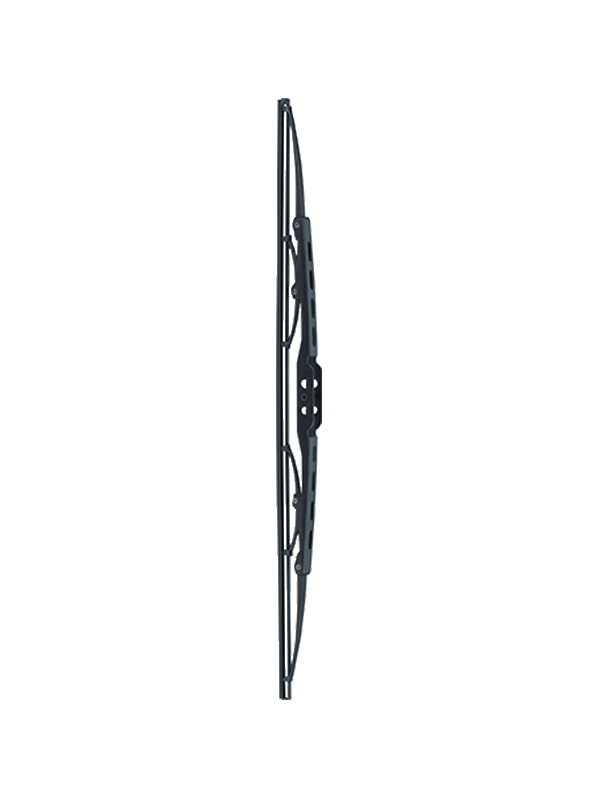
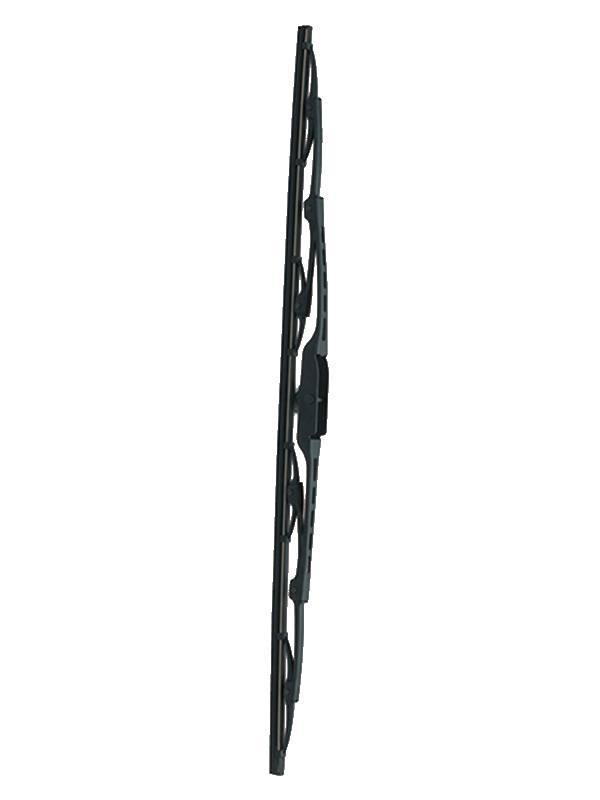
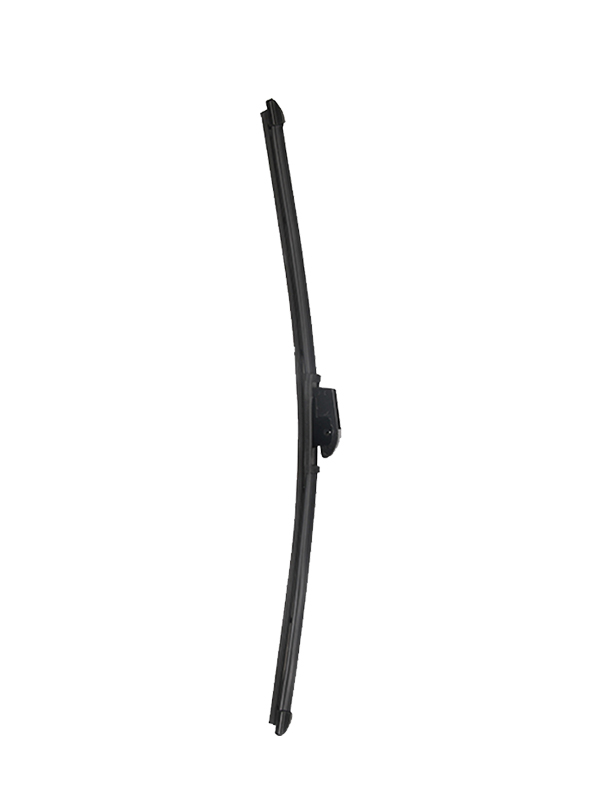
A flat wiper, often referred to in the industry as a beam blade, differs fundamentally from the conventional bridge-type wiper. While traditional wipers use a metal frame with multiple claws to press the rubber onto the glass, a flat wiper features a tensioned metal longitudinal strip integrated into the rubber structure itself.
This “frameless” design allows the blade to maintain a lower profile. By eliminating the external metal cradle, the pressure is distributed evenly across the entire length of the blade. This ensures that the rubber remains in constant contact with the windshield, even at high speeds or during turbulent weather conditions.
The Technical Evolution of Wiper Design
The transition toward flat wiper technology was driven by the need for better moisture clearance and reduced wind noise. Traditional blades often suffer from “wind lift,” where air gets trapped under the frame, lifting the rubber away from the glass. Flat wipers mitigate this through an integrated spoiler design.
| Feature | Traditional Wiper | Flat Wiper |
|---|---|---|
| Structure | External metal frame/claws | Internal tensioned steel beam |
| Pressure Points | 4 to 8 specific points | Continuous, uniform pressure |
| Aerodynamics | High drag, prone to wind lift | Low profile, integrated spoiler |
| Ice/Snow Buildup | High (collects in joints) | Low (no external moving parts) |
| Aesthetic | Bulky, industrial look | Sleek, modern appearance |
Why are Manufacturers Moving Toward Flat Technology?
Leading flat wiper manufacturers have recognized that modern windshields are more contoured than those of previous generations. Traditional frames are rigid and struggle to adapt to the deep curves of panoramic glass. The internal spring steel of a flat wiper is pre-tensioned to match these curves precisely.
Furthermore, the simplified construction means fewer moving parts. In traditional wipers, the pivots and joints can corrode or freeze in winter, causing streaking as the blade fails to make contact with certain spots. Because flat wipers lack these joints, they are inherently more resistant to freezing and mechanical failure.
Performance in Extreme Weather
One of the frequent questions regarding flat wiper performance concerns their durability in harsh climates. In winter conditions, the absence of an exposed metal framework is a significant advantage. There are no gaps for ice and snow to collect, which prevents the blade from becoming stiff and ineffective.
In high-heat environments, the high-quality synthetic rubber or silicone compounds used by flat wiper manufacturers tend to resist UV degradation better than older natural rubber variants. This longevity makes them a more cost-effective solution over the lifecycle of the vehicle, despite a higher initial purchase price.
Key Considerations for Replacement
When selecting a replacement, it is vital to ensure compatibility with the vehicle’s wiper arm attachment. While many modern vehicles come equipped with flat wipers from the factory, older models can often be retrofitted.
- Fitment: Ensure the connector matches the specific arm type (e.g., Hook, Side Pin, or Pinch Tab).
- Length: Always stick to the original equipment dimensions to avoid blade collision or “missed” areas of the glass.
- Surface Preparation: A flat wiper performs on a clean, wax-free surface. Removing road film before installation extends the life of the new blade.
Conclusion
The flat wiper represents a peak in automotive visibility engineering. By combining sleek aesthetics with aerodynamic performance and uniform pressure distribution, it addresses the limitations of legacy designs. As automotive glass continues to evolve in shape and function, the reliance on advanced beam technology will only increase, solidifying its place as the standard for modern road safety.

China's famous universal wiper blade manufacturer and customized wiper blade supplier.
share
contact information
Tel: +86-574-86572688
Fax: +86-574-86572685
Email: sales@aiduo-wiper.com
Add: Mechanical and Electrical Industrial Park, Luotuo Town, Zhenhai District, Ningbo City, Zhejiang Province, China.

