

 English
  中文简体
中文简体 

Submit feedback
The Pros and Cons of Hybrid Wipers vs. Silicone Wipers

When it comes to maintaining clear visibility during harsh weather conditions, windshield wipers play an essential role in ensuring road safety. Among the different types of wiper blades available, hybrid wipers and silicone wipers have gained significant attention for their advanced features and performance.
What Are Hybrid Wipers?
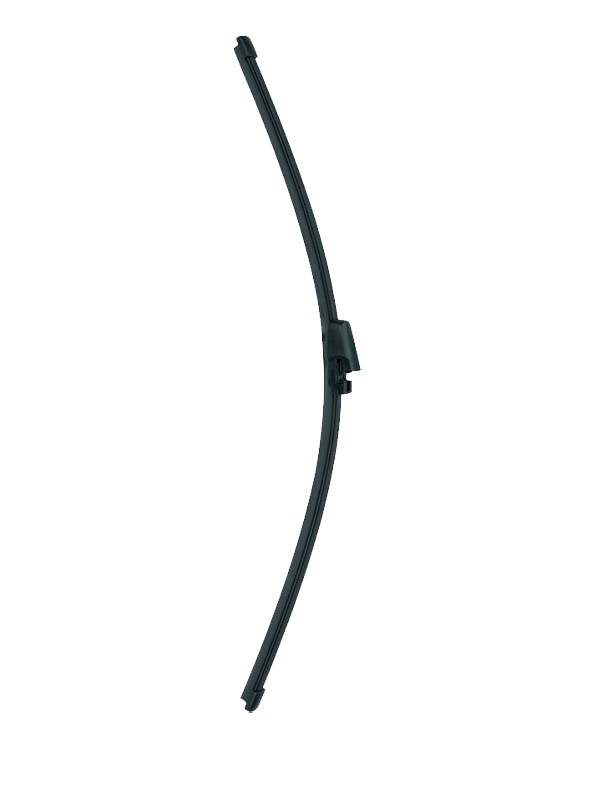
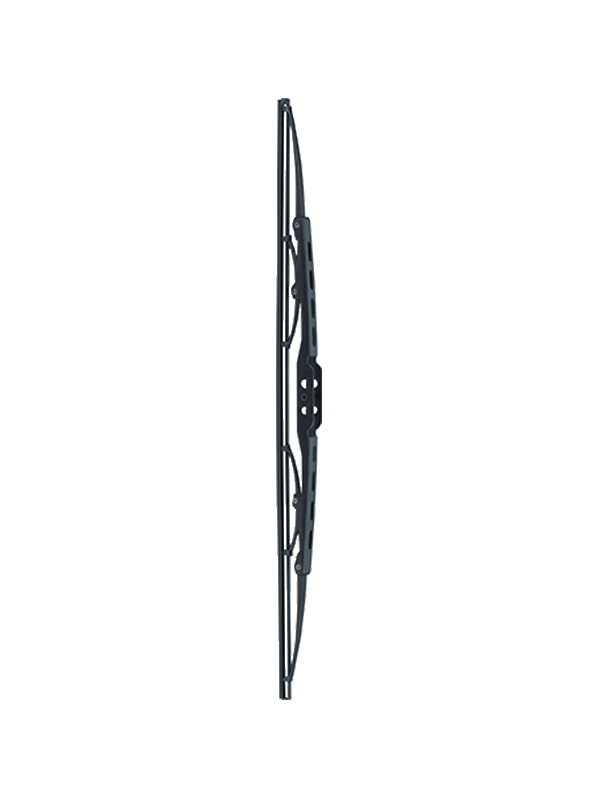
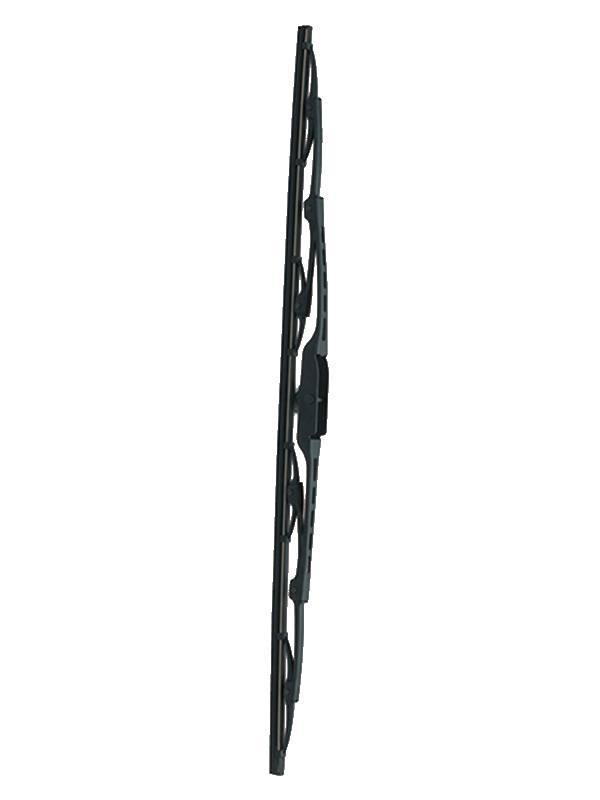
Hybrid wipers combine the features of traditional frame wipers and flat beam wipers. These wipers offer a sleek and modern design with the reliability of a traditional frame. The hybrid wiper is equipped with a built-in aerodynamic spoiler that helps reduce wind lift, enhancing wiper performance at high speeds.
Features of Hybrid Wipers:
- Aerodynamic design: Reduces wind lift for improved high-speed performance.
- Combination of frame and beam technology: Provides the flexibility of both traditional and modern designs.
- Durable materials: Designed to withstand weather conditions.
Benefits of Hybrid Wipers:
- Smooth performance in all weather conditions: Hybrid wipers can handle rain, snow, and ice efficiently due to their versatile construction.
- Less noise and vibration: The advanced design results in quieter operation compared to traditional wipers.
- Enhanced visibility: These wipers ensure a clearer view, particularly at high speeds.
Drawbacks of Hybrid Wipers:
- Cost: Hybrid wipers tend to be more expensive than traditional wipers due to their innovative design.
- Limited availability: Some vehicle models may not support hybrid wipers, limiting their use in certain applications.
- Durability: While they are more durable than traditional wipers, they may not last as long as silicone wipers in conditions.
What Are Silicone Wipers?
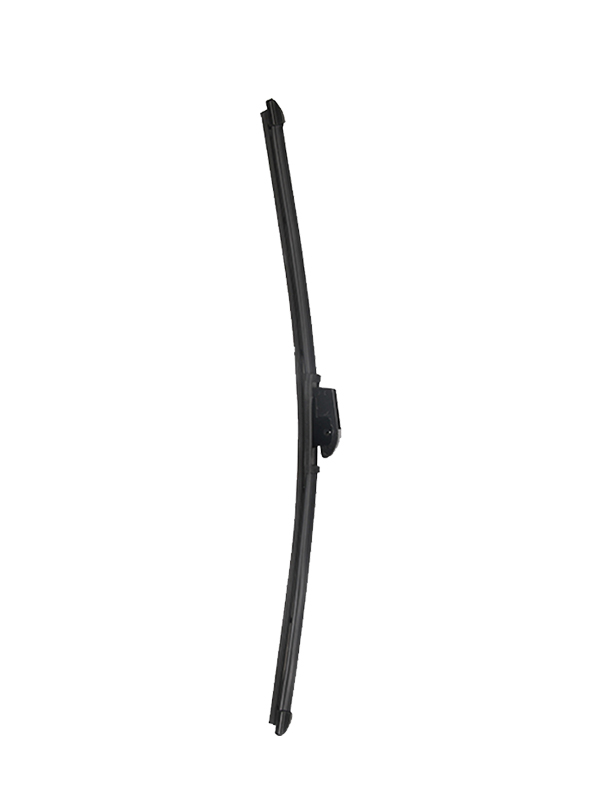
Silicone wipers are known for their durability and performance. Unlike traditional rubber wiper blades, silicone wipers use a unique silicone-based material that offers resistance to UV rays, temperatures, and chemical corrosion. This makes them a preferred choice for long-term use and challenging environmental conditions.
Features of Silicone Wipers:
- Silicone rubber material: Provides better resistance to UV rays and ozone.
- Longer lifespan: Designed to last significantly longer than traditional wiper blades.
- Self-lubricating properties: Reduces friction between the wiper blade and the windshield, enhancing performance.
Benefits of Silicone Wipers:
- Durability: Silicone wipers can last up to twice as long as traditional rubber wipers, making them a more cost-effective option in the long run.
- Excellent performance in temperatures: They perform well in both cold and hot climates, without becoming brittle in winter or softening in high heat.
- Less wear and tear: Silicone wipers are resistant to wear, meaning fewer replacements are needed over time.
Drawbacks of Silicone Wipers:
- Higher upfront cost: The advanced materials used in silicone wipers make them more expensive initially.
- Limited effectiveness in heavy snow or ice: While they excel in normal weather, they might not be as effective in heavy snow or ice compared to hybrid wipers.
- Slightly noisier: Silicone wipers can produce a squeaking sound during use, especially when dry.
Performance Comparison: Hybrid vs. Silicone Wipers
| Feature | Hybrid Wipers | Silicone Wipers |
|---|---|---|
| Weather Resistance | High performance in various weather conditions | Excellent in temperatures (hot and cold) |
| Noise Level | Low noise due to aerodynamic design | Can be noisier, especially in dry conditions |
| Durability | Moderate durability | Longer lifespan, often double that of rubber |
| Price | More expensive due to advanced design | Higher initial cost, but cost-effective in the long run |
| Maintenance | Requires occasional cleaning | Minimal maintenance required |
| Ice/Snow Performance | Performs well in snow and ice due to aerodynamic features | May struggle with heavy snow and ice build-up |
Which Wiper Is Best for You?
Choosing between hybrid and silicone wipers depends on your driving habits, climate conditions, and budget.
-
Hybrid Wipers: If you live in an area with frequent rainfall or experience high-speed driving, hybrid wipers offer the benefit of aerodynamic design and smooth performance. They are ideal for consumers seeking a balance of performance and cost, with improved visibility during wet weather.
-
Silicone Wipers: If you prioritize durability and long-term performance, silicone wipers might be the better option. They are for those who live in regions with weather conditions, including both high heat and freezing temperatures. Their longer lifespan makes them a cost-effective investment in the long run.
FAQ
1. How long do hybrid wipers last?
Hybrid wipers typically last about 6-12 months depending on driving conditions and maintenance, but they may wear out quicker than silicone wipers.
2. Are silicone wipers worth the price?
Yes, silicone wipers are a good long-term investment. Their durability and performance in temperatures justify the higher upfront cost.
3. Can I use hybrid wipers in place of silicone wipers?
Yes, hybrid wipers can be used in place of silicone wipers, but they may not last as long in climates.
4. Do silicone wipers work well in snowy weather?
Silicone wipers may struggle with heavy snow or ice buildup, as they are not as effective as hybrid wipers in these conditions.
5. Can I install hybrid wipers myself?
Yes, hybrid wipers are relatively easy to install with a simple clip-on system, but it’s always to consult the vehicle manual for compatibility.
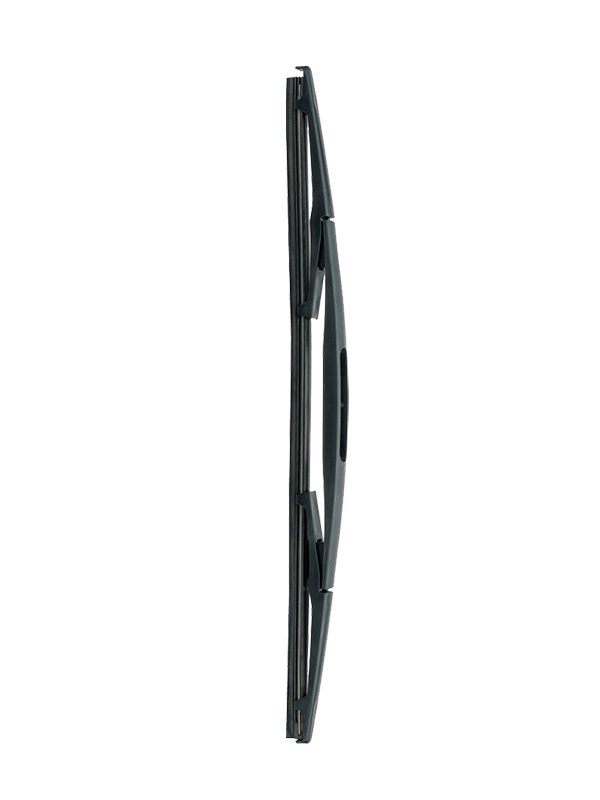
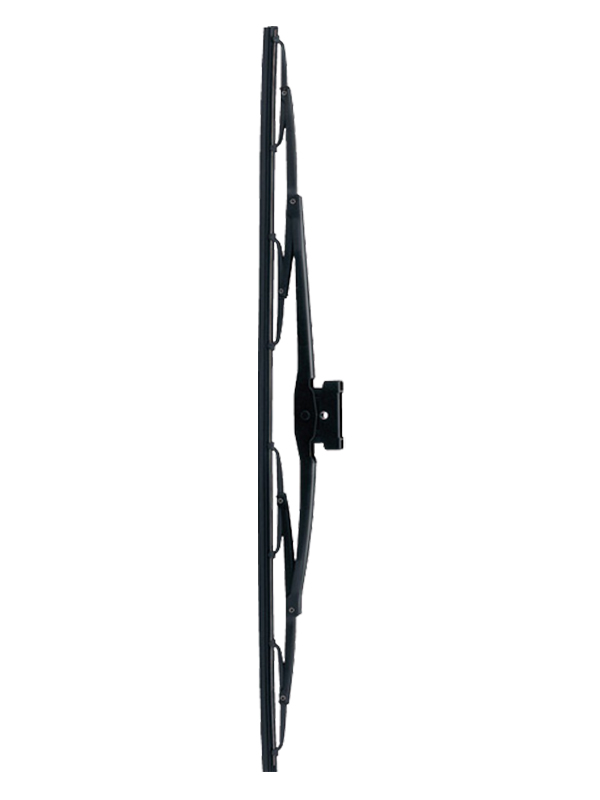
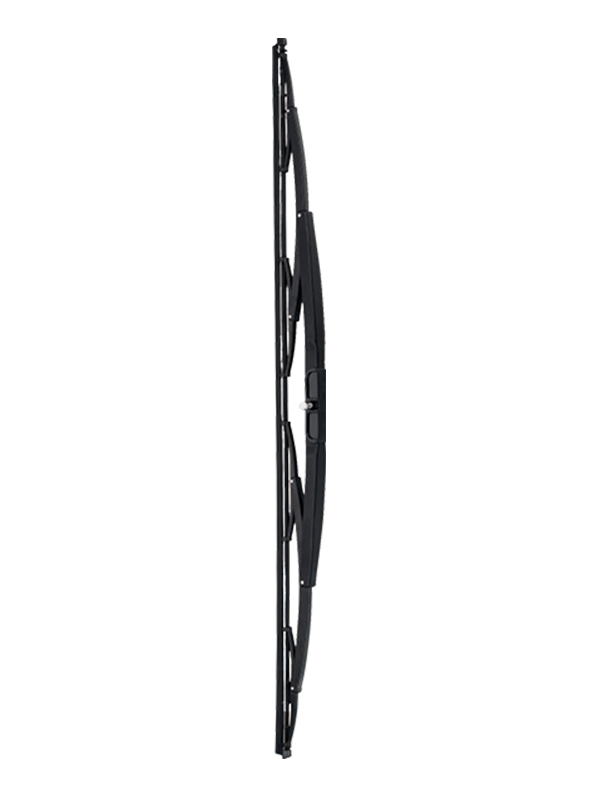

China's famous universal wiper blade manufacturer and customized wiper blade supplier.
share
contact information
Tel: +86-574-86572688
Fax: +86-574-86572685
Email: sales@aiduo-wiper.com
Add: Mechanical and Electrical Industrial Park, Luotuo Town, Zhenhai District, Ningbo City, Zhejiang Province, China.

