

 English
  中文简体
中文简体 

Submit feedback
How to Clean and Care for Your Flat Wiper Blades for Maximum Performance?

Introduction
Wiper blades are a critical component of vehicle safety, providing clear visibility during rain, snow, and other weather conditions. Proper maintenance and care can significantly extend the lifespan of your wiper blades, ensuring they continue to perform at their best. Flat wiper blades, especially frameless models, are becoming increasingly popular for their sleek design and efficient performance. However, like all parts of a vehicle, they require regular cleaning and care.
Why Proper Care is Essential for Flat Wiper Blades
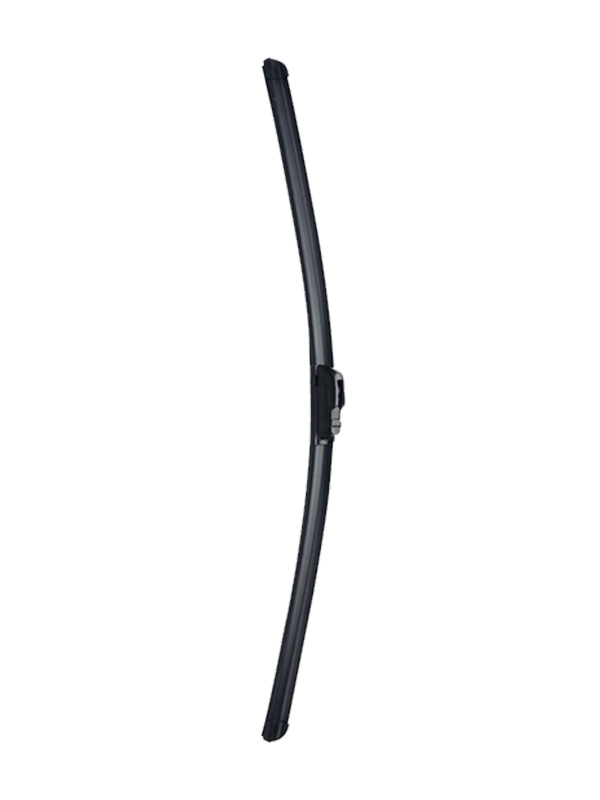
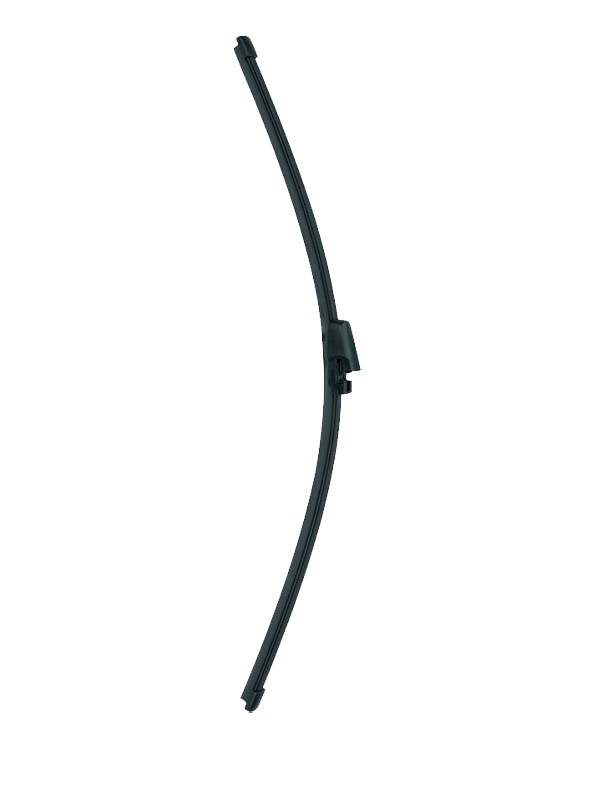
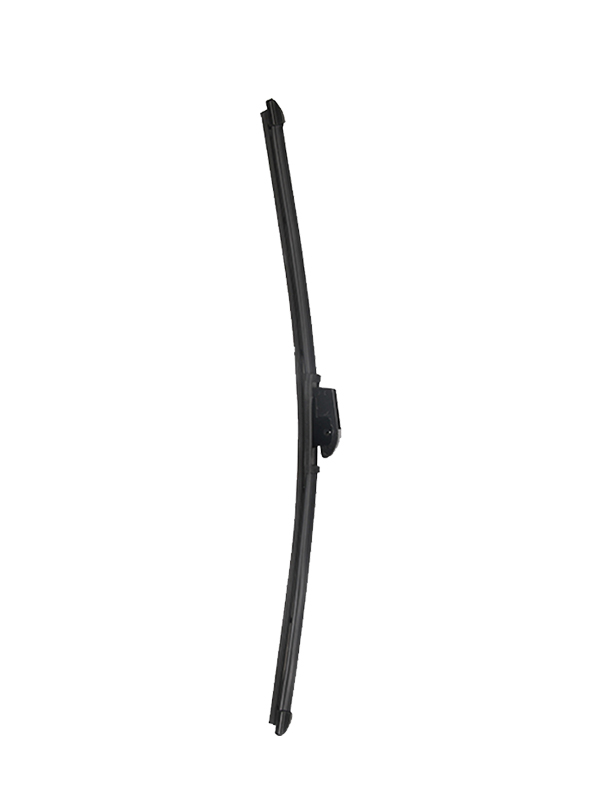
Flat wiper blades, also known as frameless wipers, are designed to offer wiping efficiency with less noise and better aerodynamics compared to traditional wiper blades. They feature a sleek, low-profile design that minimizes drag and improves the overall appearance of your vehicle.
Proper care ensures that your wipers:
- Maintain Optimal Performance: Consistent care keeps your wiper blades functioning efficiently, providing a streak-free and clear view.
- Enhance Durability: Regular maintenance can prevent premature wear and tear, extending the life of your wiper blades.
- Improve Safety: Well-maintained wipers ensure that your vision is clear, especially during adverse weather conditions, enhancing road safety.
Steps for Cleaning Flat Wiper Blades
Step 1: Inspect the Wiper Blades
Before starting the cleaning process, it’s essential to inspect the wiper blades for any signs of damage, wear, or buildup. Check for:
- Cracks or tears in the rubber
- Bent or misaligned wiper arms
- Buildup of dirt or debris along the blade edge
If you notice any damage, it may be time to replace the wiper blades. However, if the blades appear intact, proceed with cleaning.
Step 2: Lift the Wiper Blades
Lift the wiper blades off the windshield. This step ensures that the blades remain in a position where they can be easily cleaned without obstruction.
Step 3: Clean the Wiper Blades
Use a soft cloth or sponge to gently wipe down the wiper blades. Soak the cloth in a mixture of warm water and mild soap or a specialized wiper cleaner. Avoid harsh chemicals that may damage the rubber.
- Frameless Wiper Blade Care: For frameless wipers, ensure that you clean both the rubber edge and the integrated frame. Pay attention to any buildup between the frame components.
- Rinse: After wiping, rinse the blades with clean water to remove any soap residue.
Step 4: Dry the Wiper Blades
Use a dry microfiber cloth to gently dry the wiper blades. This prevents water spots from forming and ensures that the rubber stays in good condition.
Step 5: Clean the Windshield
To avoid transferring dirt back onto the wiper blades, clean your windshield using a glass cleaner and a microfiber cloth. This helps remove any debris or residues that could affect the performance of your wipers.
Step 6: Apply a Wiper Blade Treatment (Optional)
For added protection, you can apply a wiper blade treatment to help repel water and reduce friction. These treatments are available at automotive stores and help prolong the life of your wiper blades by preventing the buildup of debris and ice.
Tips for Maintaining Flat Wiper Blades
Regular Cleaning and Inspection
Clean your wiper blades at least once a month to prevent dirt and debris from accumulating. Regular inspection ensures that any wear or tear is identified early, allowing for timely replacement.
Avoid Using Wipers on a Dry Windshield
Using the wipers on a dry windshield can cause unnecessary friction, which results in wear and tear. Always ensure that the windshield is wet or at least damp before using the wipers.
Park Your Vehicle in a Garage or Covered Area
Extreme temperatures can cause the rubber on your flat wiper blades to degrade faster. Whenever possible, park your vehicle in a garage or shaded area to protect the wipers from prolonged sun exposure and freezing conditions.
Replace Wiper Blades When Necessary
Even with regular cleaning, wiper blades have a limited lifespan. If you notice streaking, squeaking, or a reduced wiping efficiency, it may be time to replace them. Typically, flat wiper blades should be replaced every 6-12 months, depending on usage and weather conditions.
How to Prevent Common Wiper Blade Issues
While flat wiper blades are designed to be durable and long-lasting, several factors can affect their performance. Here are some common issues and how to prevent them:
Streaking
Cause: Streaking can occur if the rubber is worn out or if debris is stuck on the wiper blade.
Solution: Regular cleaning and prompt replacement of worn-out blades will prevent streaking. Also, consider applying a protective treatment to the blades to help reduce streaks.
Squeaking or Noise
Cause: Squeaking is typically caused by friction between the wiper blades and the windshield or when the rubber has hardened.
Solution: Clean the wiper blades and windshield thoroughly. If squeaking persists, inspect the blades for wear and replace them if necessary.
Ice Build-Up
Cause: In cold climates, ice can build up on the wiper blades, causing them to freeze and become ineffective.
Solution: Always clear ice and snow from the windshield and wiper blades before use. Consider using winter wiper blades designed to withstand icy conditions.
When to Replace Your Flat Wiper Blades
Even with regular maintenance, wiper blades will eventually wear out. Here are some signs that it’s time to replace your flat wiper blades:
- Visible Cracks or Tears: If the rubber is cracked, torn, or hardened, it’s time for a replacement.
- Streaking or Skipping: If your wipers leave streaks or skip over sections of the windshield, it indicates that the blades are no longer effective.
- Noisy Operation: Excessive noise or squeaking is a sign that the wiper blades have lost their smooth operation.
Wiper Blade Maintenance Table
| Maintenance Task | Frequency | Recommended Action |
|---|---|---|
| Clean Wiper Blades | Monthly | Use mild soap and water |
| Inspect for Wear and Tear | Monthly | Check for cracks and damage |
| Replace Wiper Blades | 6-12 months | Replace when damaged or ineffective |
| Apply Blade Treatment | Every 6 months | Use specialized wiper blade treatment |
| Clean Windshield | As needed | Use glass cleaner and microfiber cloth |
FAQ
Q1: How often should I clean my flat wiper blades?
A: It’s recommended to clean your flat wiper blades at least once a month to prevent debris buildup and ensure smooth operation.
Q2: Can I use regular household cleaners on my wiper blades?
A: It’s to use mild soap and water or specialized wiper blade cleaners. Harsh chemicals can damage the rubber material.
Q3: How can I prevent ice from building up on my wiper blades?
A: Always remove ice and snow from your windshield and wiper blades before use. In cold climates, consider using winter wiper blades.
Q4: When should I replace my flat wiper blades?
A: Replace your flat wiper blades when you notice signs of wear such as streaking, skipping, or squeaking. Typically, this happens every 6-12 months.
Q5: Can flat wiper blades be repaired?
A: In cases, flat wiper blades should be replaced when damaged. They are not easily repairable due to the nature of their design.

China's famous universal wiper blade manufacturer and customized wiper blade supplier.
share
contact information
Tel: +86-574-86572688
Fax: +86-574-86572685
Email: sales@aiduo-wiper.com
Add: Mechanical and Electrical Industrial Park, Luotuo Town, Zhenhai District, Ningbo City, Zhejiang Province, China.

