

 English
  中文简体
中文简体 

Submit feedback
What Are the Top 10 Flat Wiper Blades for Streak-Free Visibility?

Introduction
High-quality flat wiper blades are essential for ensuring both driving safety and comfort, especially when facing harsh weather conditions. These wipers ensure visibility and streak-free performance, providing driving safety in rainy, snowy, or foggy conditions.
Key Content
The Importance of Quality Wiper Blades
When it comes to driving, clear visibility is paramount. Nearly 80% of drivers consider good visibility as their primary concern during poor weather conditions. Flat wiper blades, also known as beam wiper blades, offer significant advantages over traditional wipers. These include uniform pressure distribution, better aerodynamic performance, and reduced streaking, with some premium models cutting visibility obstructions by up to 60%.
Flat Wiper Blade Technology Advantages
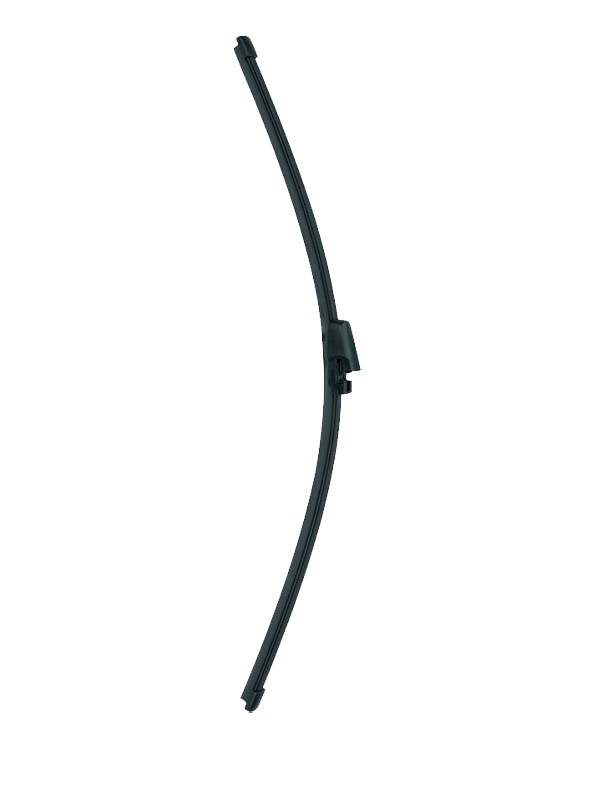
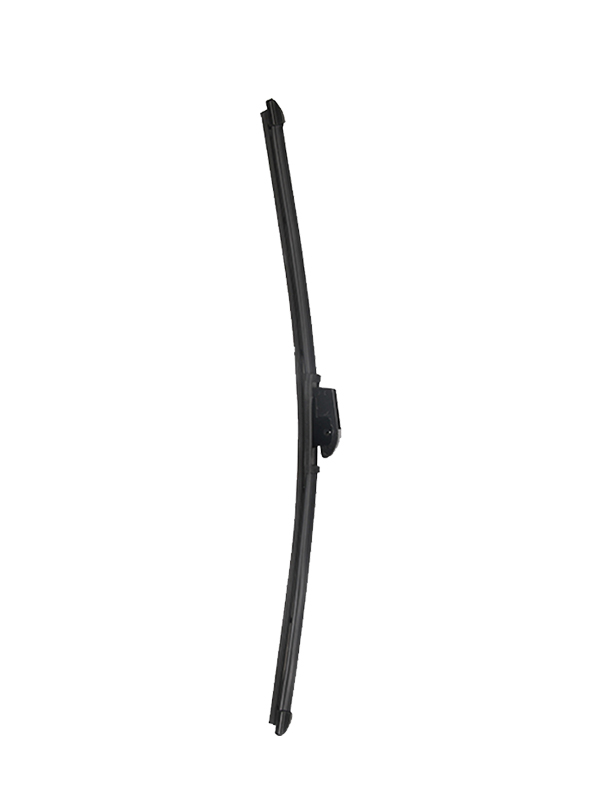
- Aerodynamics: The design of flat wiper blades helps them better adapt to the curvature of the windshield, improving contact and wiping efficiency.
- Uniform Pressure: Unlike traditional wipers, flat wipers distribute pressure evenly across the blade, minimizing streaks.
- Less Scratching: The absence of external frames and metal parts in flat wiper blades results in fewer scratches on the windshield.
- Premium Models: Ningbo Xinhai Aido Automobile Wiper Blade Manu. Co., Ltd.'s high-end models are specially engineered to deliver exceptional performance even under weather conditions, ensuring a consistently clear and unobstructed field of view—even at high speeds.
Maintenance Tips
- Regular Checks: Inspect your wiper blades every 6 months, especially before the rainy or snowy season.
- Replacement: Wiper blades should be replaced at least once a year or sooner if they show signs of wear.
- Keep Windshield Clean: Clean your windshield regularly to prevent debris from damaging the wiper blades.
Types of Wiper Blades & Their Features
| Type | Design | Advantages | Ideal for |
|---|---|---|---|
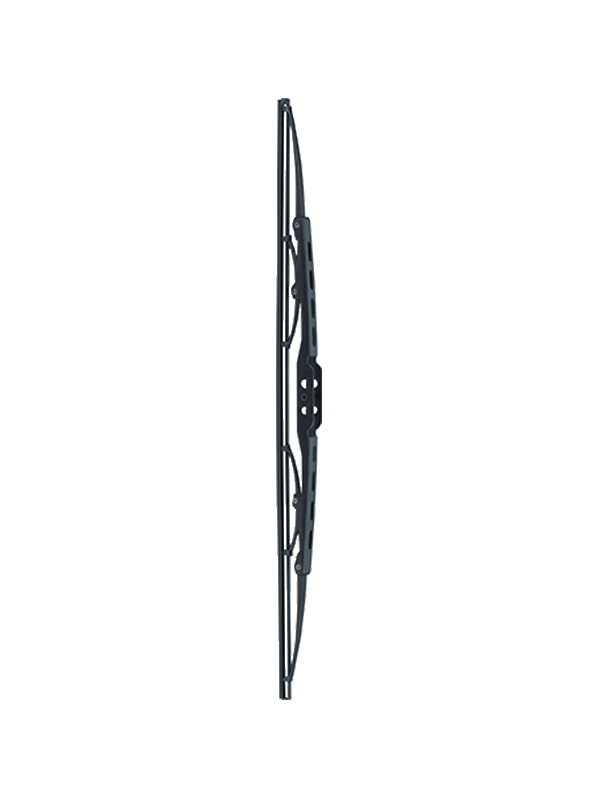
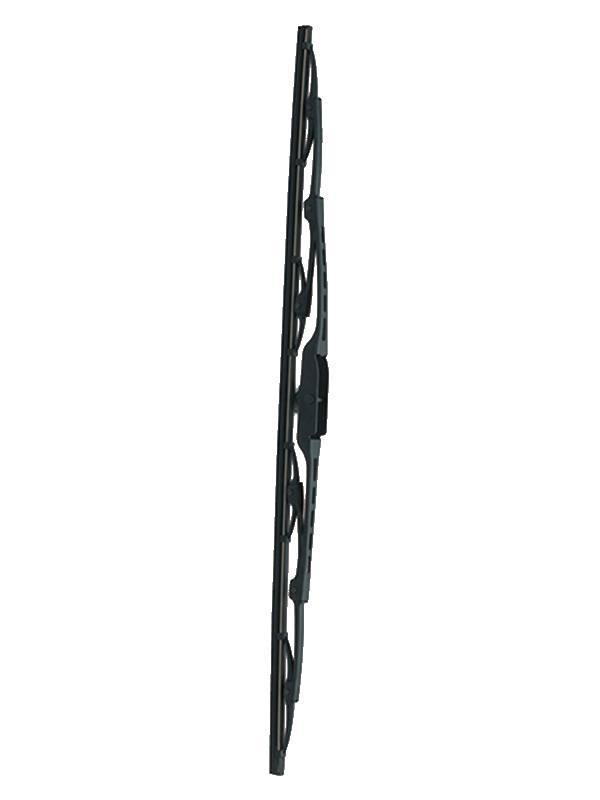
| Traditional | Metal frame + rubber blade | Uneven pressure, leaves streaks, prone to damage | Mild weather conditions |
| Flat Wiper | No external frame | Even pressure, no streaks, sleek design | All-weather, high-speed |
| Hybrid Wiper | Combines both features | Durability of traditional wipers with aerodynamic efficiency of flat wipers | High-performance vehicles |
Wiper Blade Material Comparison
- Rubber: Cost-effective but has a shorter lifespan (6 months to 1 year) and is susceptible to UV damage and temperatures.
- Silicone: Lasts about twice as long as rubber, with resistance to UV rays, temperatures, and water beading properties. Best suited for weather conditions or frequent use.
Wiper Blade Size & Material Recommendations
- For Extreme Weather: Silicone wiper blades are a must for durability and performance.
- For Moderate Use: Rubber wipers are for mild climates but should be replaced more frequently.
10 Best Flat Wiper Blades Recommendations
| Model | Size (inches) | Material | Performance Rating | Warranty |
|---|---|---|---|---|
| 1 | 22, 24, 26 | Silicone | 9.5/10 | 3 years |
| 2 | 16, 18, 20 | Silicone | 9/10 | 2 years |
| 3 | 14, 16, 18 | Rubber | 8/10 | 1 year |
How to Install Flat Wiper Blades Correctly
Confirm Size & Interface Type: Ensure the wiper blades match your vehicle’s specifications.
Clean the Wiper Arm & Windshield: Dirt can impair the performance of your wiper blades.
Remove & Attach the Blades: Raise the wiper arm, press the clip, and remove the old blade. Attach the new blade until you hear a “click.”
Test the Installation: Lower the wiper arms and test the operation to ensure smooth, streak-free performance.
Long-Term Wiper Blade Maintenance Tips
- Check for Cracks: Inspect the blade every few months for signs of wear, such as cracks or hardening.
- Clean Regularly: Wipe down the rubber blade with a soft cloth and mild detergent to remove buildup.
- Glass Care: Use quality windshield washer fluid to reduce wear on the wiper blades and enhance visibility.
- Replacement Cycle: Replace wiper blades every 6 months to a year, depending on usage and climate.
FAQ
1. What is the difference between traditional and flat wiper blades?
Flat wiper blades offer more even pressure and a sleeker design, reducing streaks and providing better aerodynamics, while traditional wipers are prone to streaking and damage in harsh conditions.
2. Are silicone wiper blades better than rubber wiper blades?
Yes, silicone wiper blades last longer, are more durable, and are better at resisting temperatures and UV damage, making them ideal for harsh weather conditions.
3. How often should I replace my windshield wiper blades?
Wiper blades should be replaced every 6 months to 1 year, depending on the frequency of use and weather conditions.
4. What should I do if my wiper blades are noisy or leave streaks?
This can indicate that your wiper blades are damaged or worn. Clean your windshield and the blades, and if the issue persists, it may be time to replace the blades.
5. How can I ensure the correct installation of my flat wiper blades?
Make sure to match the size and interface type of the wiper blade to your vehicle’s specifications. Follow the installation guide to ensure the wipers are securely attached.
Conclusion
Flat wiper blades are essential for maintaining clear visibility in all weather conditions, and their adoption has become increasingly popular due to their sleek design and performance. Regular maintenance and timely replacement can further enhance the lifespan and efficiency of your wiper blades, ensuring safe and comfortable driving in any weather.
By selecting the right wiper blades and properly maintaining them, you’ll improve your driving experience and ensure clear, uninterrupted visibility on the road.
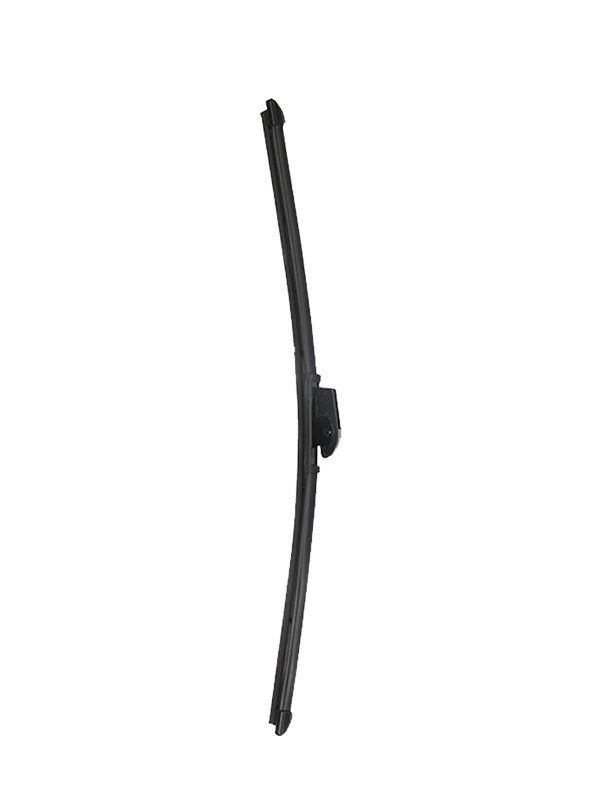
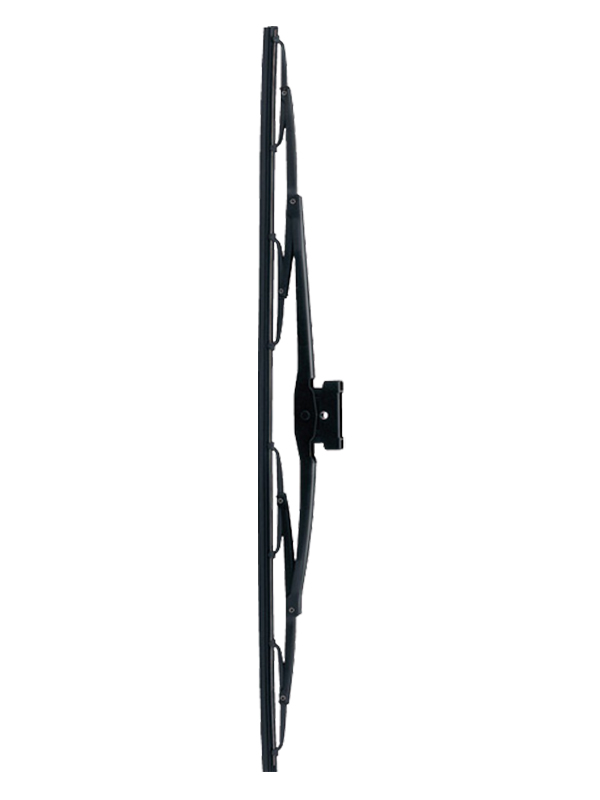
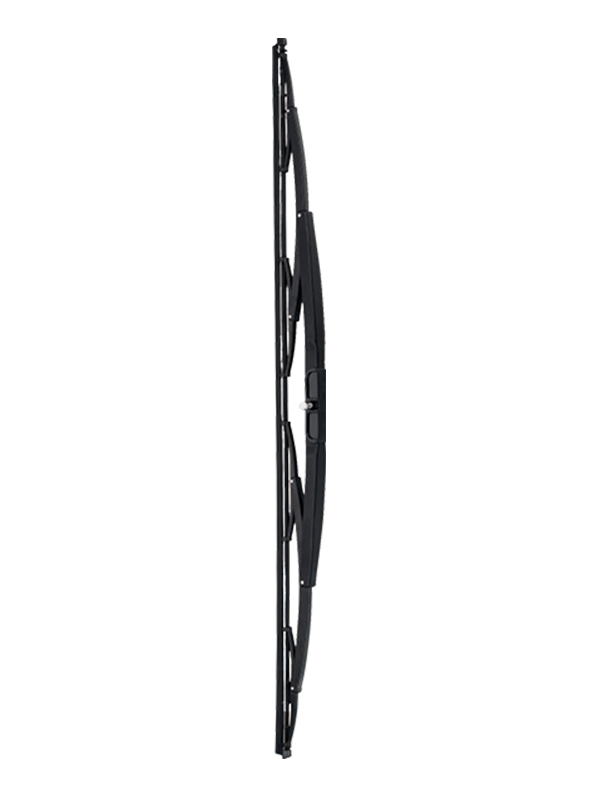
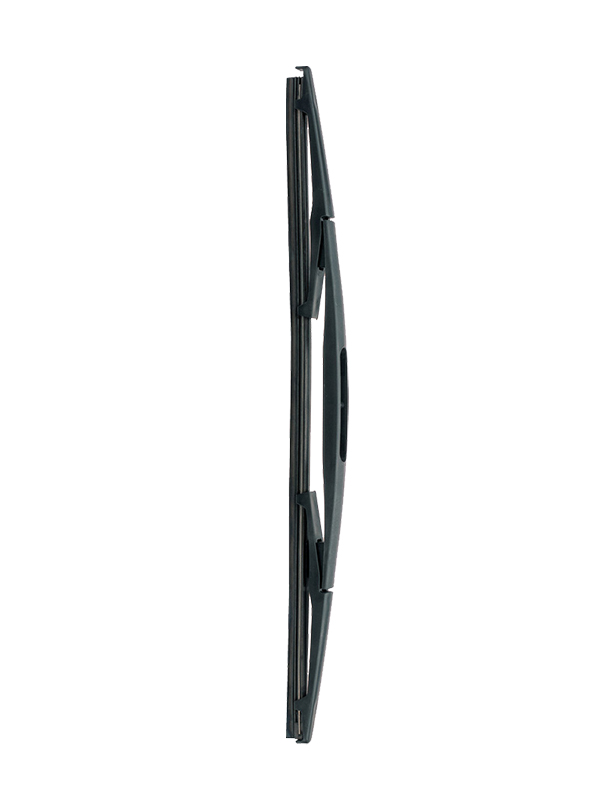

China's famous universal wiper blade manufacturer and customized wiper blade supplier.
share
contact information
Tel: +86-574-86572688
Fax: +86-574-86572685
Email: sales@aiduo-wiper.com
Add: Mechanical and Electrical Industrial Park, Luotuo Town, Zhenhai District, Ningbo City, Zhejiang Province, China.

