

 English
  中文简体
中文简体 

Submit feedback
Natural Rubber Wiper Blades: Buying Guide

A wiper blade only has one job, but doing it badly costs visibility exactly when a driver needs it most. This guide covers what makes natural rubber wiper blades perform differently from synthetic alternatives, how they hold up across seasons, and what to check before ordering replacement or OEM stock.
What Are Natural Rubber Wiper Blades?
Natural rubber wiper blades are windshield cleaning components built around a natural rubber wiping element, paired with a metal support frame, rubber coating, and connector adapter. The rubber is chosen specifically for its elasticity and ability to hold consistent contact across a curved glass surface.
Definition: A natural rubber wiper blade is a windshield cleaning component that uses natural rubber compounds to maintain flexible, consistent contact with the glass surface while clearing water, snow, and debris.
That flexibility is the entire point. A stiffer or lower-grade material skips across imperfections in the glass and leaves streaks; natural rubber flexes into the contour of the windshield stroke after stroke, which is why it remains a preferred material for both passenger and commercial vehicle applications.
How Natural Rubber Wiper Blades Work
The wiping action looks simple from inside the car, but it depends on several parts working together on every pass.
- Motor DriveThe vehicle's wiper motor generates the mechanical force that moves the wiper arm across the windshield.
- Wiper Arm MovementThe arm transfers motor force to the blade assembly in a controlled sweeping motion.
- Rubber Blade ContactThe natural rubber edge flexes to maintain close, even contact with the glass surface.
- Contaminant RemovalThe blade clears water, dirt, snow, and road particles in a single stroke.
- Clear VisibilityRepeated wiping cycles maintain a consistently clean windshield for the driver.
Key Advantages Worth Evaluating
- Flexibility and contact: Natural rubber conforms closely to windshield curvature, reducing missed wiping areas.
- Water removal performance: Effective clearing during heavy rainfall with minimal residue or streaking.
- Wear resistance: Stands up to repeated friction cycles without rapid degradation.
- Weather adaptability: Holds performance across cold, hot, and dusty operating conditions.
- Low noise operation: Reduces vibration and friction noise compared to lower-grade materials.
Natural Rubber vs Synthetic Rubber Wiper Blades
Both materials work, but they are optimized for different priorities.
Synthetic Rubber Wiper Blade
Offers enhanced resistance to certain chemicals and environmental factors, but performance varies significantly by synthetic material type, and cost is often higher.
Natural Rubber Wiper Blade
Delivers excellent flexibility and consistent glass contact at a balanced cost, making it a reliable default choice for passenger, commercial, and industrial vehicle applications.
Where Natural Rubber Wiper Blades Are Used
Blade specifications shift depending on vehicle type and how the equipment is used day to day.
| Passenger Vehicles | Sedans, SUVs, electric vehicles | Supports daily driving visibility and safety |
| Commercial Vehicles | Trucks, buses, delivery vans | Handles frequent use over long-distance operation |
| Construction Machinery | Excavators, loaders, cranes | Maintains operator visibility in outdoor job sites |
| Agricultural Vehicles | Tractors, harvesters | Supports visibility across long outdoor operating hours |
| Special Purpose Vehicles | Emergency and utility vehicles | Provides reliable performance in demanding conditions |
How to Choose a Supplier
Before ordering natural rubber wiper blades in volume, evaluate the manufacturer's material consistency and testing process, not just unit price.
Match the blade to your vehicle and climate first. Rubber hardness, blade length, and connector type should all be verified against your actual vehicle specifications, not a generic universal-fit listing.
- Application fit: Vehicle type, climate conditions, and windshield size determine the right blade specification.
- Technical documentation: Rubber formulation, hardness, and temperature range should be clearly specified and tested.
- OEM capability: Suppliers with OEM production experience can meet tighter tolerances and vehicle-specific requirements.
- Custom development: Blade length, connector type, and frame structure often need adjustment for specific vehicle programs.
Quick Reference Checklist
Before ordering, confirm the rubber hardness suits your climate range, the blade length matches your windshield specification, the connector type fits your vehicle's arm design, and the supplier can document wear and noise test results.
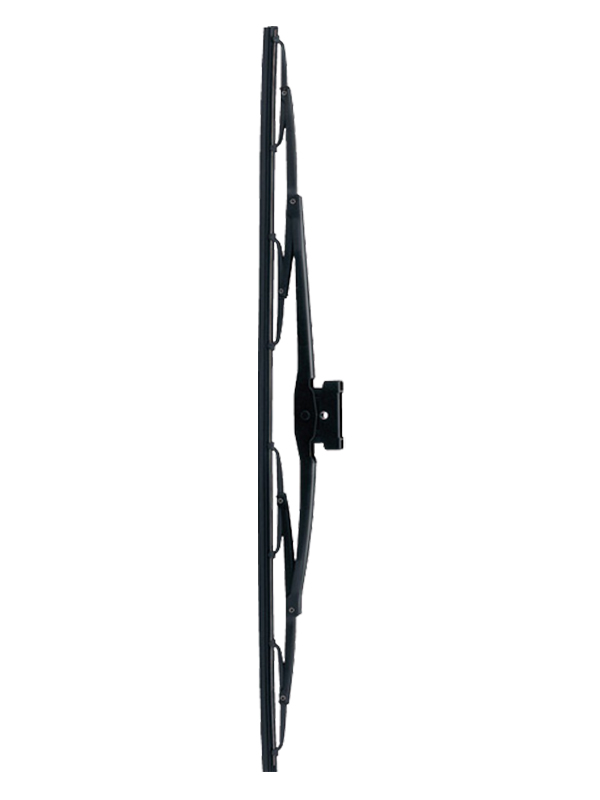
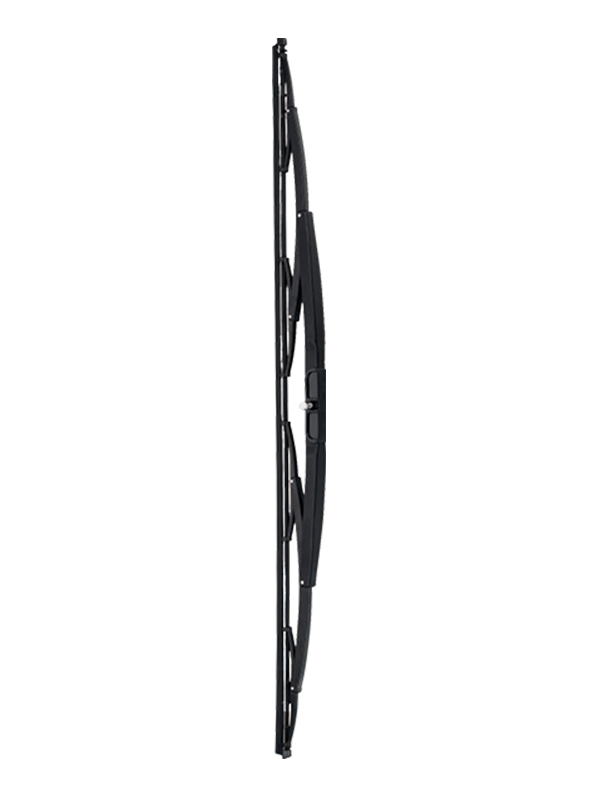
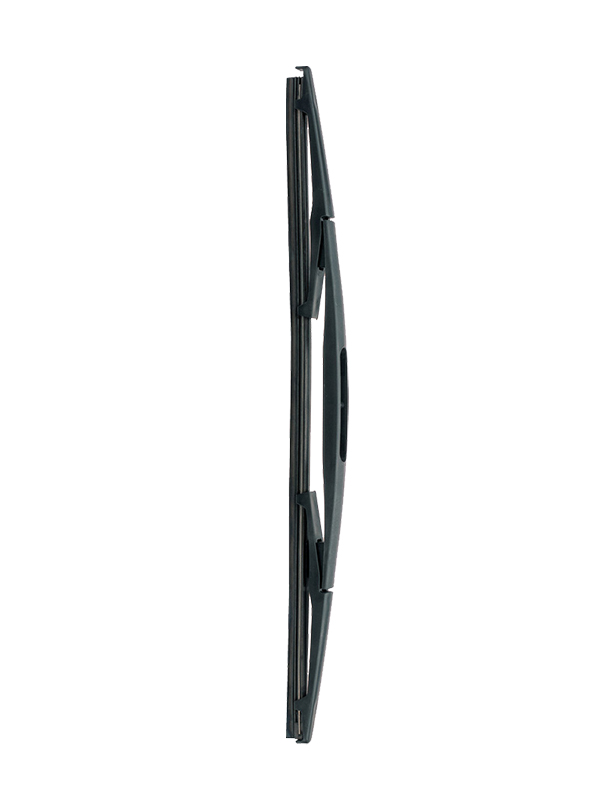
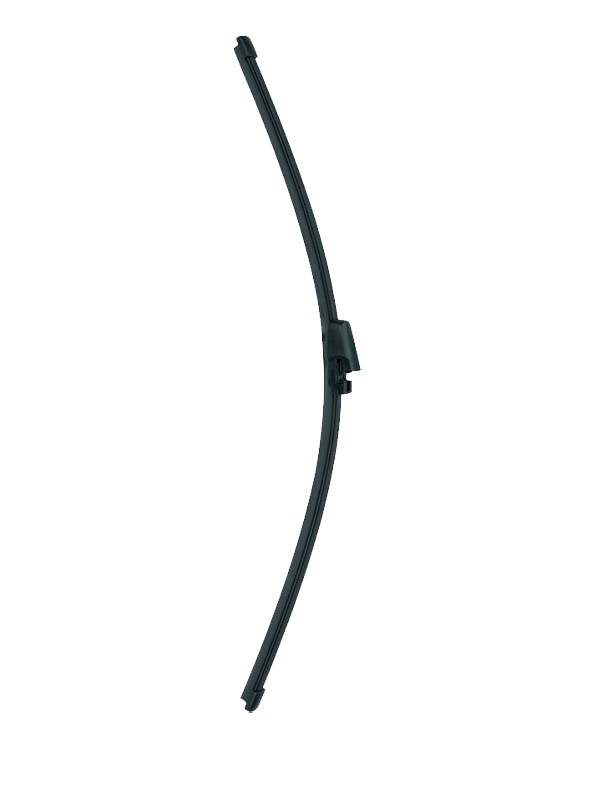
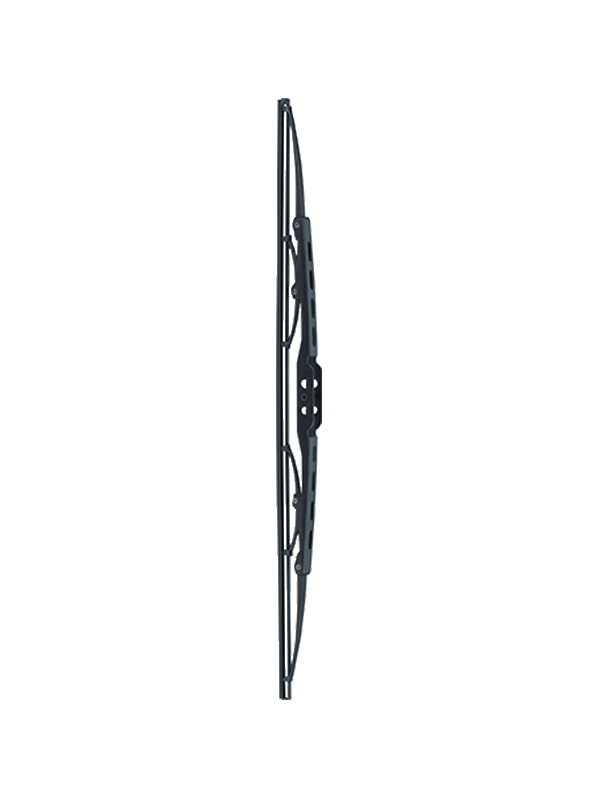
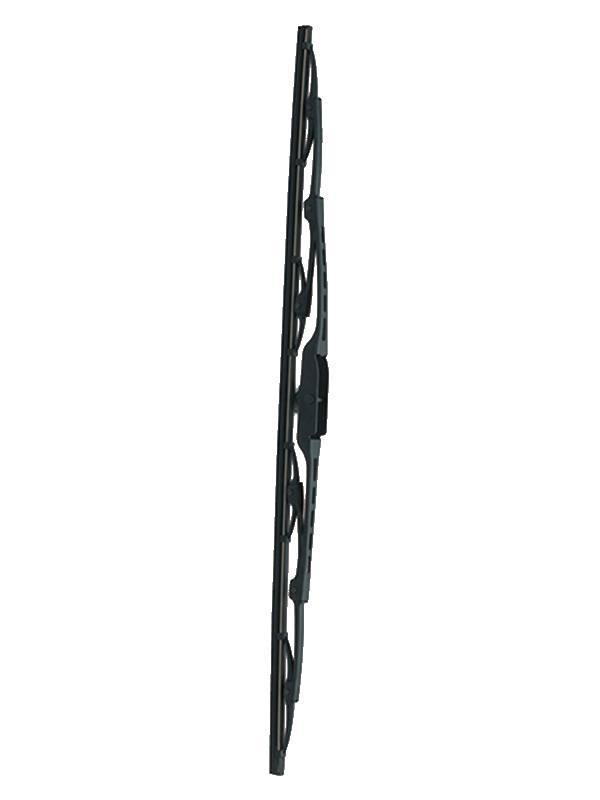
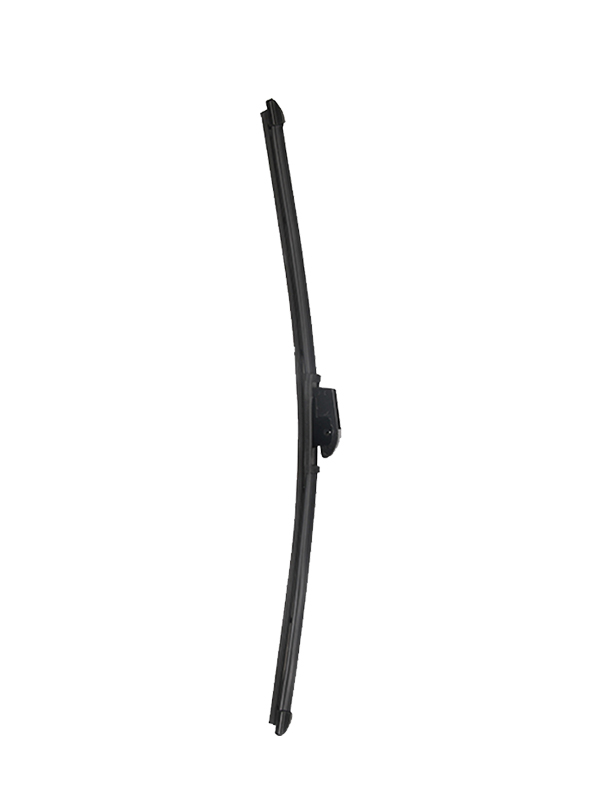

China's famous universal wiper blade manufacturer and customized wiper blade supplier.
share
contact information
Tel: +86-574-86572688
Fax: +86-574-86572685
Email: sales@aiduo-wiper.com
Add: Mechanical and Electrical Industrial Park, Luotuo Town, Zhenhai District, Ningbo City, Zhejiang Province, China.

