

 English
  中文简体
中文简体 

Submit feedback
How to Choose the Best Flat Wiper Blades for Your Car

A wiper blade only needs to fail once, during heavy rain at highway speed, for the difference between a good blade and a bad one to become obvious. The best flat wiper blades solve that risk with a frameless design that keeps consistent pressure across the entire windshield instead of the uneven contact older framed blades are prone to.
01What Makes Flat Wiper Blades Different From Framed Blades
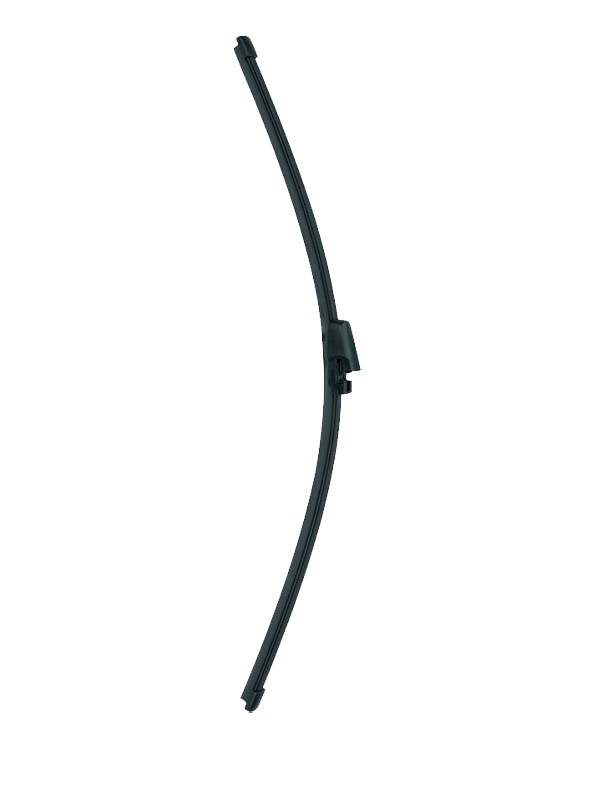
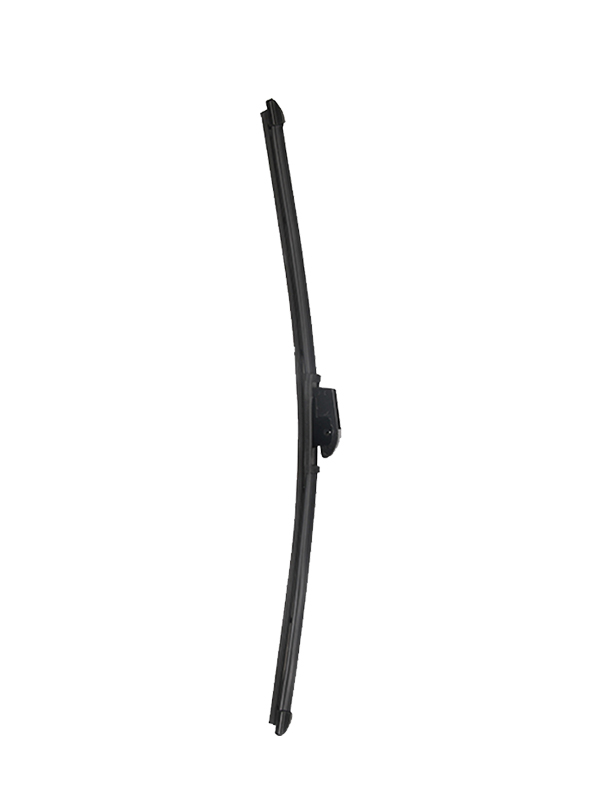
The best flat wiper blades replace the jointed metal frame of a traditional blade with a single flexible spring-steel strip and rubber edge, spreading pressure evenly along the windshield rather than concentrating it at a few pivot points.
02Core Performance Advantages Over Framed Blades
Lower Wind Lift
The low-profile frameless shape reduces air resistance, keeping the blade seated against the glass at highway speed instead of lifting.
Even Pressure Distribution
A curved spring strip flexes along the windshield's curve, avoiding the streaking that comes from uneven framed-blade contact.
Quieter Operation
Smoother rubber-to-glass contact cuts down on the chatter and squeak common with worn framed blades.
Better Weather Range
Sealed rubber compounds resist cracking across both hot summers and freezing winter conditions.
03Flat Wiper Blades vs Traditional Framed Blades
Flat Wiper Blades
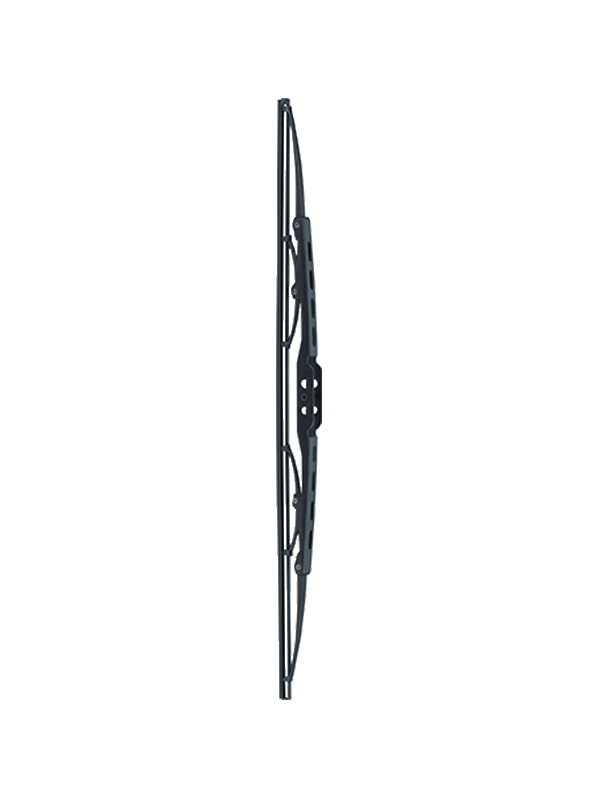
Frameless flexible structure, excellent aerodynamic stability, uniform windshield pressure, and lower long-term corrosion risk since there are no exposed metal joints.
Traditional Framed Blades
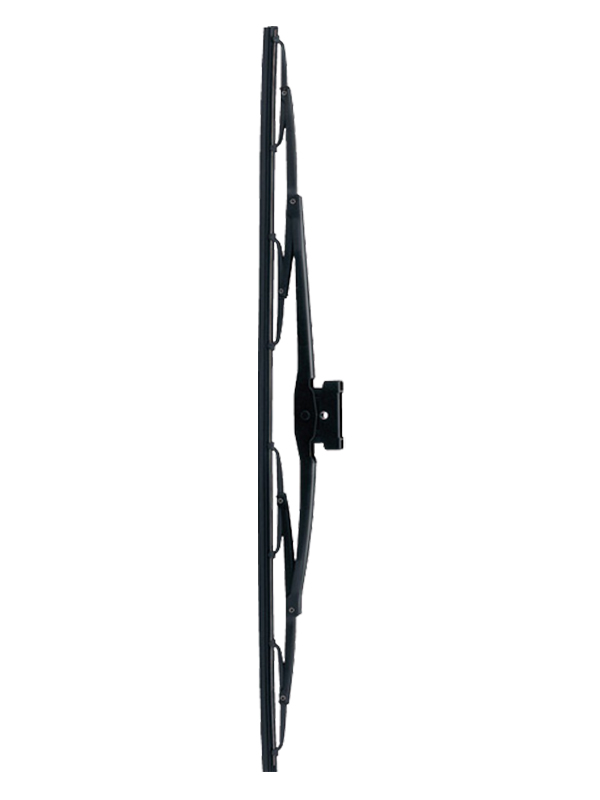
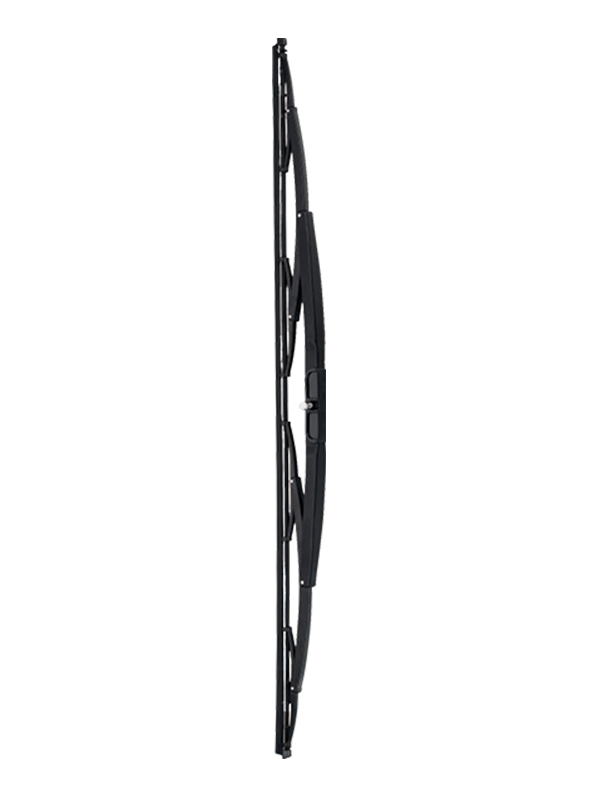
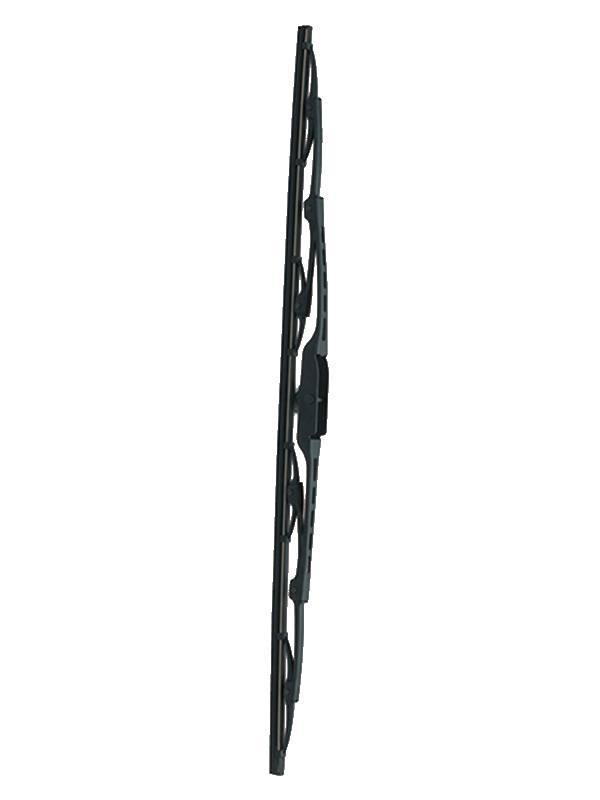
Jointed metal frame construction, higher wind resistance at speed, uneven pressure across multiple pivot points, and joints that can corrode or stiffen over time.
04Specifications to Match to Your Vehicle
Fit and performance both come down to matching four specifications to your specific vehicle before ordering.
05What to Look for in a Manufacturer
Rain simulation testing, high-speed airflow testing, and noise testing separate a blade that performs in a showroom demo from one that holds up after a full season of daily driving.
Distributors and fleet buyers sourcing at volume should confirm OEM capability, adapter customization, and rubber compound options, since a blade built for a compact sedan windshield curve will not necessarily perform the same way on a larger SUV or commercial van windshield.
Do flat wiper blades fit every car?
Most flat wiper blades use universal adapters that fit a wide range of vehicles, but blade length and adapter type still need to match the specific vehicle for proper installation.
How often should flat wiper blades be replaced?
Most manufacturers recommend replacement every six to twelve months, though rubber quality, climate exposure, and daily use all affect how quickly a blade wears down.
Are flat wiper blades noisier or quieter than framed blades?
Flat wiper blades are generally quieter, since their frameless design keeps the rubber edge in smoother, more consistent contact with the glass.
Can flat wiper blades handle heavy snow and ice?
Yes, many flat wiper blade models are built with sealed rubber compounds and reinforced spring strips specifically rated for snow and freezing temperatures.

China's famous universal wiper blade manufacturer and customized wiper blade supplier.
share
contact information
Tel: +86-574-86572688
Fax: +86-574-86572685
Email: sales@aiduo-wiper.com
Add: Mechanical and Electrical Industrial Park, Luotuo Town, Zhenhai District, Ningbo City, Zhejiang Province, China.

