

 English
  中文简体
中文简体 

Submit feedback
How to Choose the Best Beam Wipers for Your Vehicle

Rain doesn't wait for a convenient moment, and neither should your wipers. The best beam wipers are built around a single flexible steel beam rather than a jointed bracket frame, so pressure stays even across the glass instead of concentrating at a few contact points the way older blade designs do.
What a Beam Wiper Actually Is
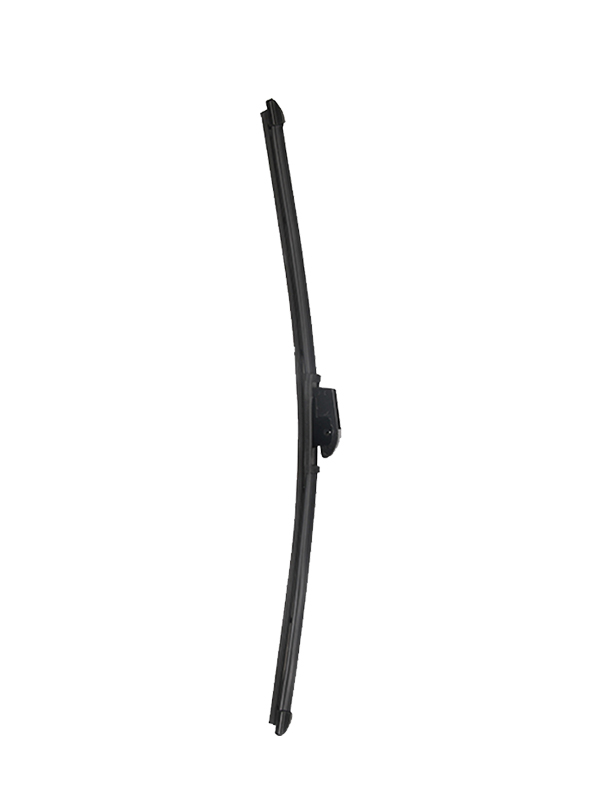
A beam wiper is a frameless wiper blade built around a curved spring-steel strip that flexes to match the windshield's curve, keeping the rubber edge in continuous contact along its full length rather than relying on a bracket's fixed pivot points.
Why Beam Structure Outperforms Bracket-Style Blades
Three performance areas show the clearest gap between beam and bracket-style construction.
Relative comparison based on typical construction differences, not a single lab measurement.
Beam Wipers vs Traditional Wiper Blades
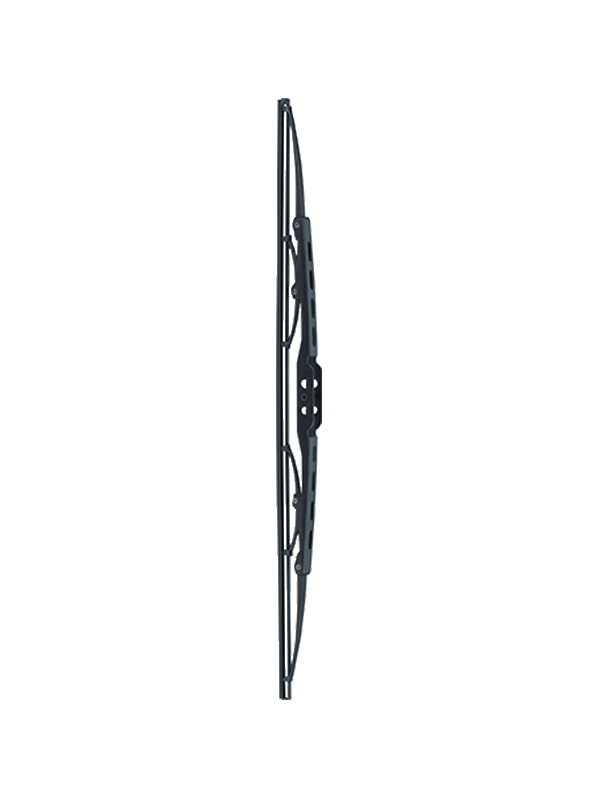
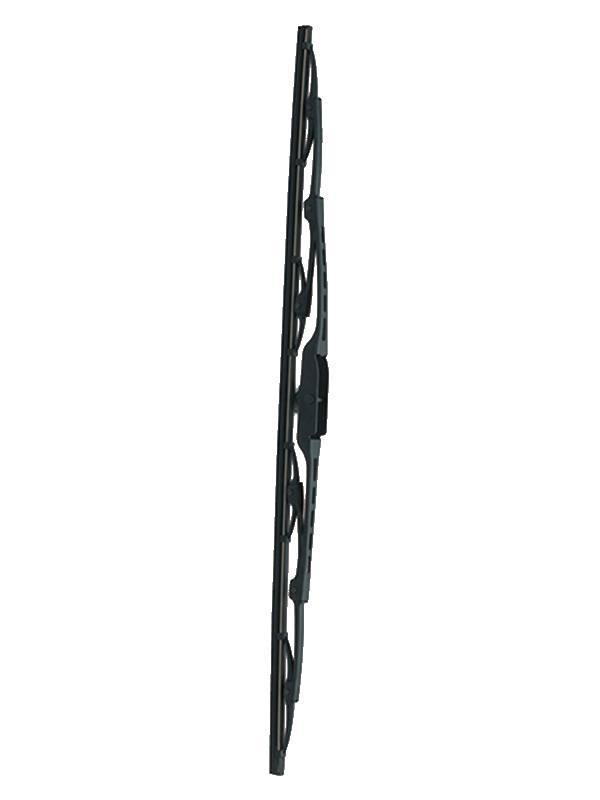
| structure | frameless flexible beam | metal bracket frame |
| wind_resistance | low | higher |
| weather_range | strong in rain and snow | limited in extremes |
| maintenance | lower replacement frequency | more frequent servicing |
Specifications That Signal Real Durability
- 01
Rubber formulation Silicone compounds generally resist UV cracking longer than basic natural rubber.
- 02
Beam steel quality Determines how consistently the blade flexes back to shape after repeated use.
- 03
Adapter compatibility A mismatched connector is the most common cause of installation problems.
- 04
Temperature rating Confirms the blade won't stiffen in winter or soften in summer heat.
Vetting a Beam Wiper Manufacturer
Rain simulation, high-speed airflow, and long-term durability testing are what separate a beam wiper that performs in a showroom demo from one that survives a full season of daily driving.
Distributors and OEM buyers should ask suppliers directly for that test data, and confirm customization options such as rubber compound, adapter type, and blade length range, since a beam profile tuned for a compact sedan windshield curve rarely performs identically on a larger SUV or commercial van.
Are beam wipers better than flat wiper blades?
Beam wipers and flat wiper blades are closely related, both frameless, but beam wipers typically use a more pronounced curved steel structure, while flat blades emphasize a lower-profile aerodynamic shape. Performance differences between them are usually smaller than the gap versus bracket-style blades.
Do beam wipers need special adapters?
Many use universal adapter systems, but confirming hook, pin, or side-lock compatibility with your specific wiper arm is still necessary before ordering.
How do I know if my beam wipers need replacing?
Streaking, skipping, chattering noise, or visible cracks in the rubber edge are the clearest signs a beam wiper has reached the end of its service life.
Can beam wipers handle winter conditions?
Yes, models rated for cold temperatures use rubber compounds designed to stay flexible in freezing conditions rather than stiffening and skipping across icy glass.
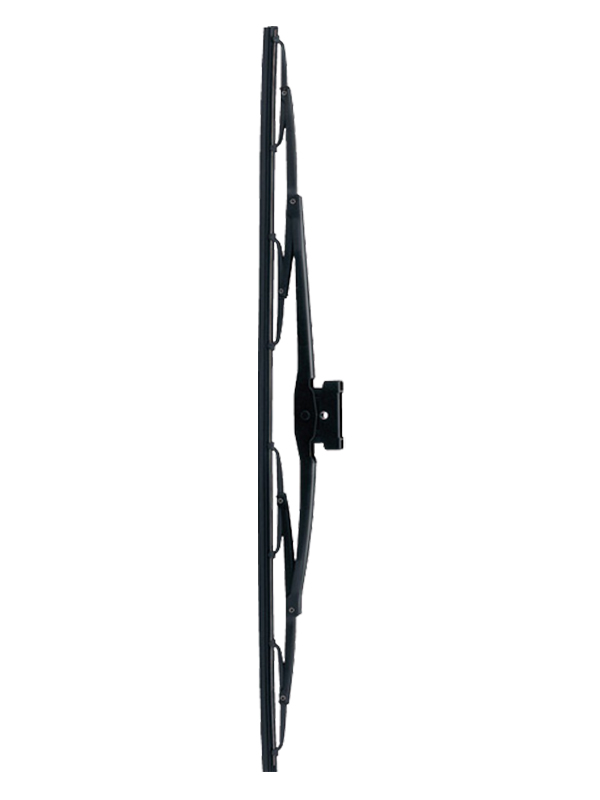
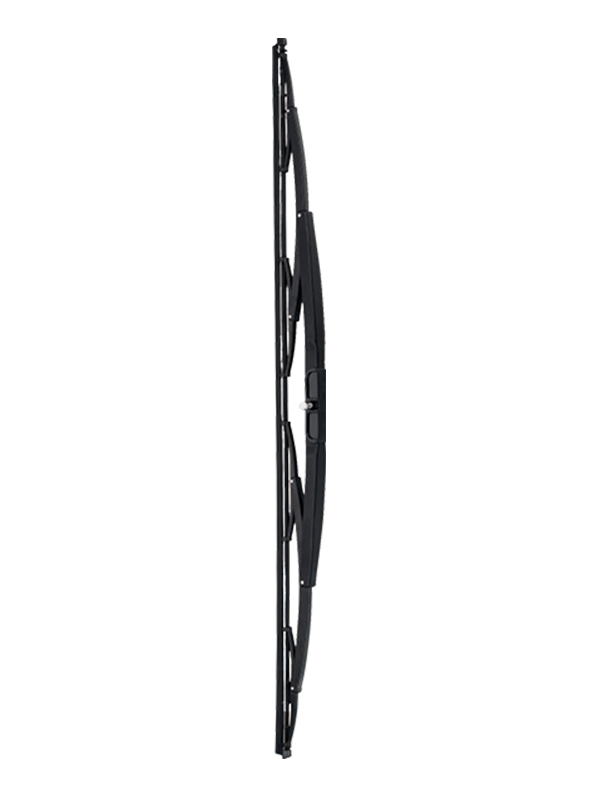
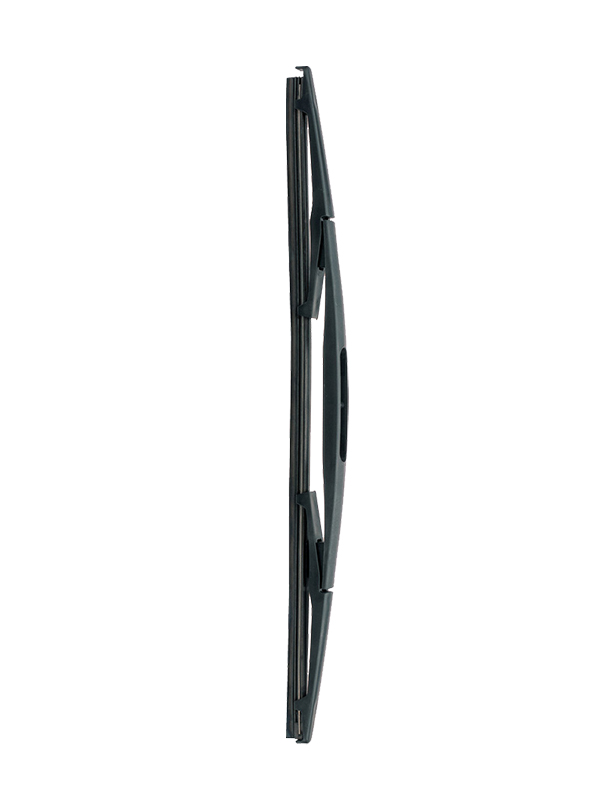
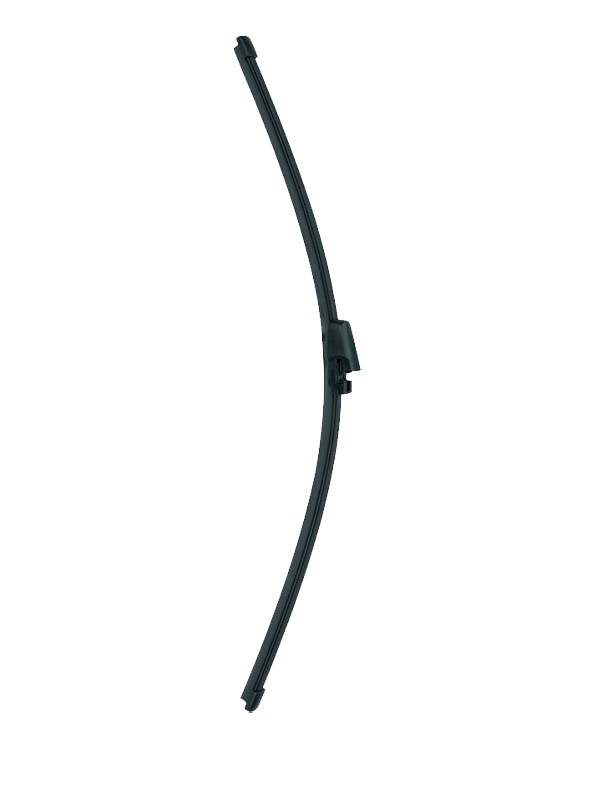

China's famous universal wiper blade manufacturer and customized wiper blade supplier.
share
contact information
Tel: +86-574-86572688
Fax: +86-574-86572685
Email: sales@aiduo-wiper.com
Add: Mechanical and Electrical Industrial Park, Luotuo Town, Zhenhai District, Ningbo City, Zhejiang Province, China.

