

 English
  中文简体
中文简体 

Submit feedback
How to Choose Natural Rubber Wiper for Automotive and Industrial Use

Natural rubber properties for wiping applications
The unique properties of natural rubber make it an ideal material for wiper blades. Natural rubber exhibits excellent elasticity, allowing the wiping edge to conform precisely to the curvature of glass surfaces while maintaining consistent contact pressure. The material's resilience ensures the blade returns to its original shape after each wiping cycle, preventing deformation and maintaining performance. Natural rubber also demonstrates good tear strength and abrasion resistance, enabling wiper blades to withstand millions of wiping cycles without significant wear. A natural rubber wiper with properly formulated compounds provides effective water removal across temperatures from -30°C to +80°C, making it suitable for diverse climate conditions. The addition of anti-aging additives and carbon black reinforcement extends service life while maintaining flexibility and wiping performance.
Wiper blade types and configurations
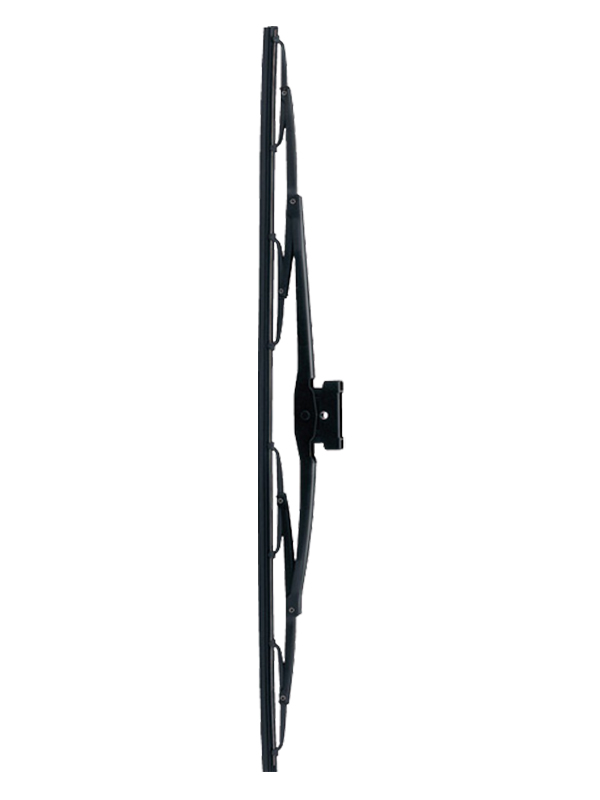
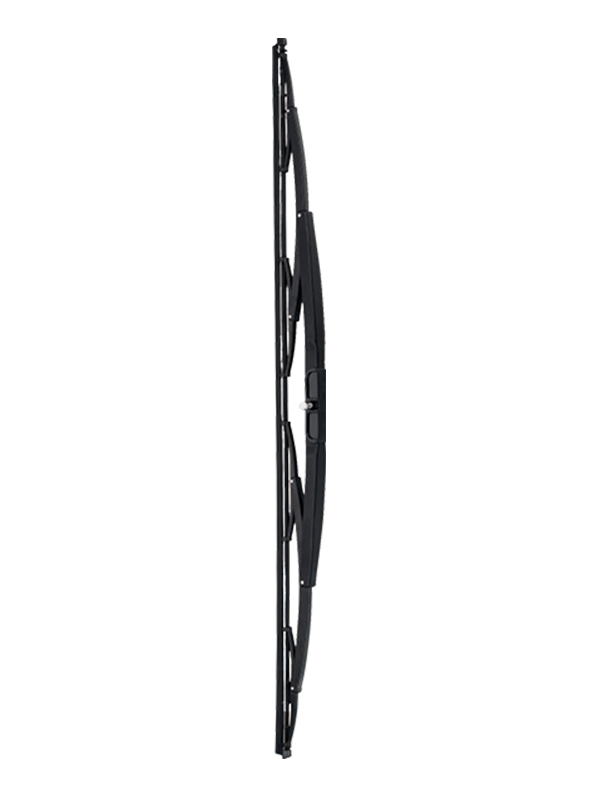
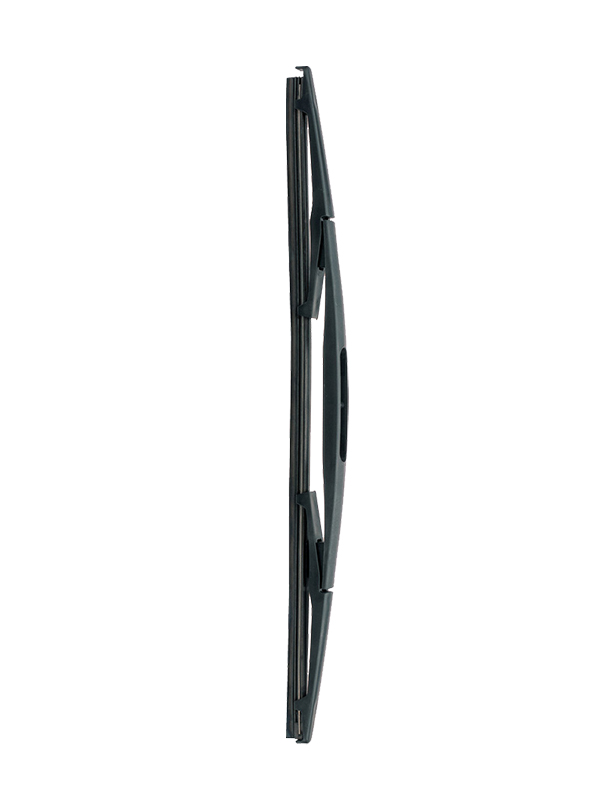
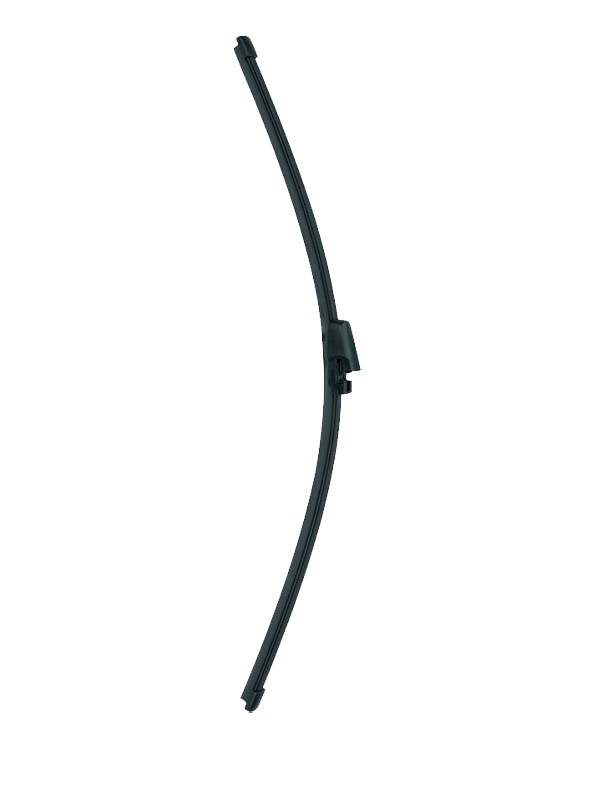
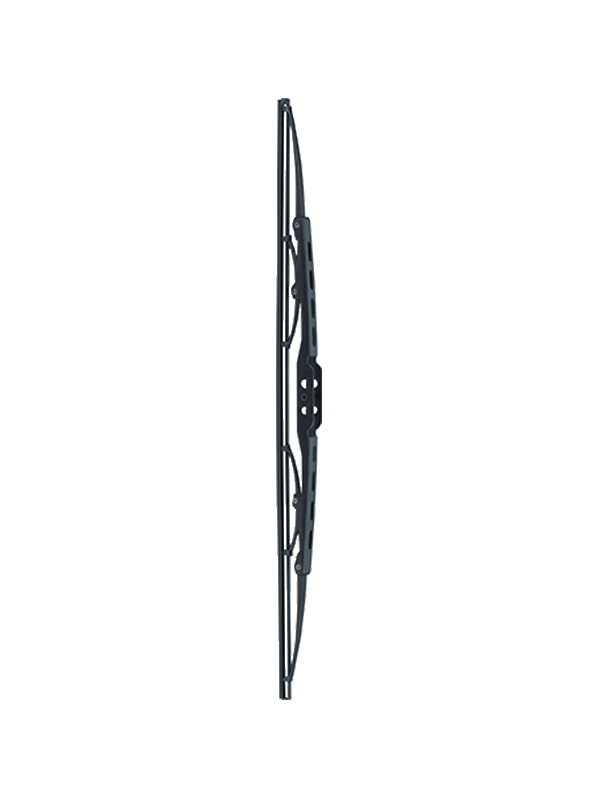
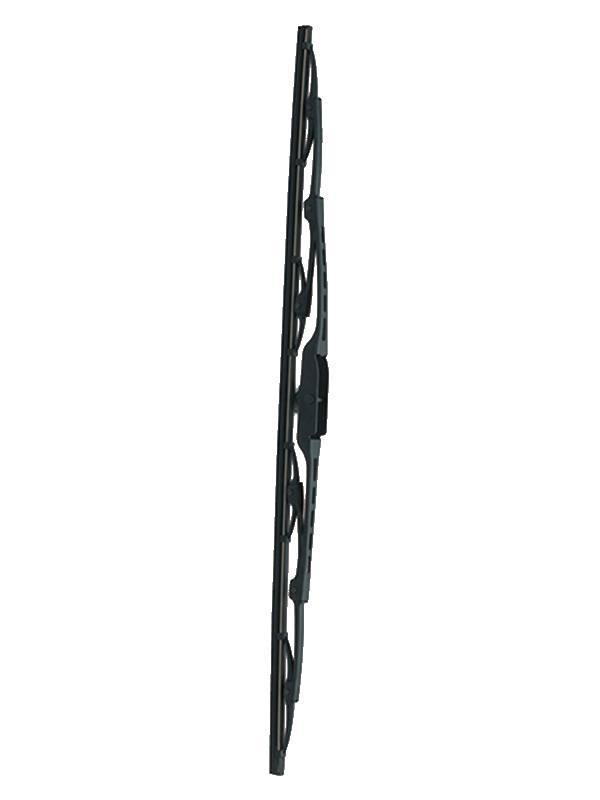
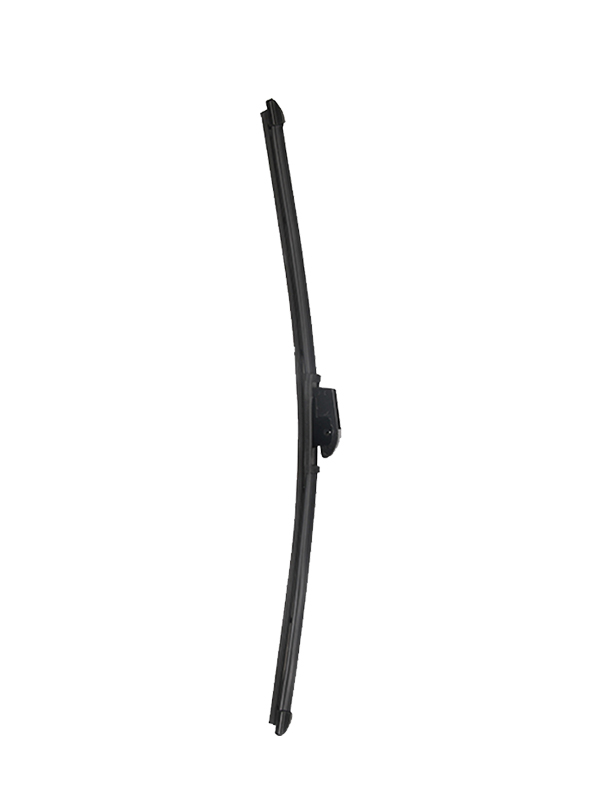
Natural rubber wipers are manufactured in several configurations to suit different applications. Conventional frame-style blades feature a metal framework that distributes pressure across the rubber element, providing reliable performance for standard passenger vehicles. Flat-blade (frameless) designs eliminate the metal frame, using a pre-curved spring steel strip to maintain uniform pressure — these blades offer improved aerodynamics and better performance at high speeds. Heavy-duty blades incorporate thicker rubber sections and reinforced frames for commercial vehicles and construction equipment. Industrial wipers may feature specialized profiles for glass processing equipment or automated cleaning systems. The choice of blade type affects wiping pressure distribution, installation ease, and replacement frequency.
Manufacturing process
The production of natural rubber wipers involves precise material formulation and processing. Natural rubber is compounded with reinforcing agents (carbon black), anti-aging additives (antioxidants and antiozonants), and processing aids to achieve the required balance of flexibility, wear resistance, and weather resistance. The compound is mixed in internal mixers, then extruded through precision dies to form the wiping profile — the edge geometry is critical for effective water removal and must be maintained within tight tolerances. The extruded rubber is vulcanised (cured) to develop its final elastic properties. Surface treatment with graphite or PTFE coatings reduces friction and improves wiping smoothness. Quality testing includes wiping performance evaluation on simulated windshields, wear testing, and temperature cycling to verify durability.
Natural rubber vs other wiper materials
Natural rubber wipers offer distinct advantages compared to alternative materials. Silicone wipers provide longer service life and better temperature stability but cost significantly more and may require different windshield treatments for optimal performance. Synthetic rubber (EPDM, chloroprene) offers improved chemical resistance but typically has lower tear strength and flexibility than natural rubber. Natural rubber strikes the optimal balance of performance and cost — it provides excellent wiping characteristics, good weather resistance, and cost-effective manufacturing. For OEM applications, natural rubber remains the preferred choice for most passenger vehicles due to its proven reliability and established manufacturing infrastructure. Aftermarket replacement wipers are also predominantly natural rubber, offering consumers a cost-effective solution without compromising performance.
Application environments
Selection checklist
Installation and maintenance
Proper installation and maintenance extend the service life of natural rubber wipers. Before installation, inspect the windshield for any damage or debris that could damage the rubber edge. Clean the glass surface to remove oil, wax, or contaminants that can cause streaking or skipping. When installing, ensure the wiper arm connector is correctly engaged and the blade is securely locked. The rubber edge should make full contact with the glass along its entire length — any gaps indicate incorrect installation or a worn blade. Regular maintenance includes cleaning the rubber edge with a damp cloth to remove accumulated dirt and checking for signs of wear or cracking. Wipers should be replaced every 6–12 months depending on usage and climate conditions. Worn blades cause streaking, reduced visibility, and potential damage to the windshield from metal arm contact.

China's famous universal wiper blade manufacturer and customized wiper blade supplier.
share
contact information
Tel: +86-574-86572688
Fax: +86-574-86572685
Email: sales@aiduo-wiper.com
Add: Mechanical and Electrical Industrial Park, Luotuo Town, Zhenhai District, Ningbo City, Zhejiang Province, China.

