

 English
  中文简体
中文简体 

Submit feedback
Flat Frameless Wiper: Automotive Buyer's Guide 2026

A windshield wiper only has to fail once, at highway speed, in heavy rain, to turn a minor component choice into a safety event, which is why so many OEMs and fleets have shifted from framed blades to the flat frameless wiper for its more consistent glass contact at speed.
What Is a Flat Frameless Wiper?
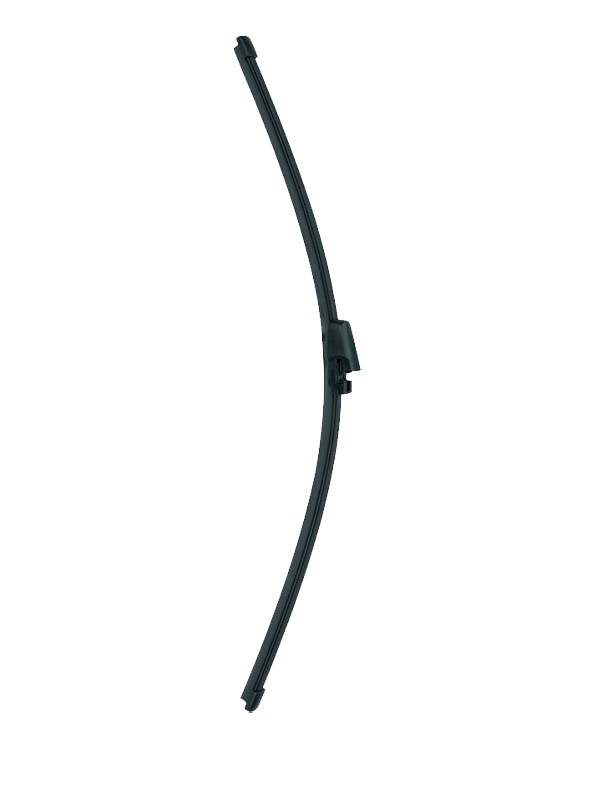
A flat frameless wiper is a windshield blade built without the traditional multi-point metal frame, instead using a flexible internal spring strip and integrated aerodynamic spoiler to keep the rubber element pressed evenly against curved glass. Because there is no jointed frame to accumulate ice, corrosion, or uneven wear, the blade maintains more consistent contact pressure across its full length than a framed design.
Why Flat Frameless Wipers Outperform Framed Blades
Four measurable advantages explain why frameless designs have become the default on new vehicle platforms.
- 01
Aerodynamic stability. The integrated spoiler keeps the blade pressed to the glass at highway speed, reducing lift and chatter.
- 02
Low noise operation. Fewer rigid joints mean less vibration and friction noise during each pass.
- 03
Longer service life. Weather-resistant rubber compounds resist UV and temperature-driven cracking.
- 04
All-weather reliability. Consistent pressure distribution holds up across rain, snow, and dust.
Flat Frameless Wiper vs Traditional Framed Wiper
The performance gap between the two designs widens as vehicle speed and weather severity increase.
| Factor | Flat Frameless Wiper | Traditional Framed Wiper |
| Glass Contact | Uniform pressure across the full blade | Pressure concentrated at frame joints |
| High-Speed Stability | Integrated spoiler reduces lift | More prone to wind lift at speed |
| Weather Resistance | Fewer metal parts to corrode or ice up | Frame joints can trap ice and moisture |
| Noise Level | Quieter due to fewer rigid joints | More prone to chatter and friction noise |
Where Flat Frameless Wipers Are Used
- Passenger vehicles, including sedans, SUVs, and electric vehicles
- Commercial vehicles and delivery fleets requiring durable daily-use components
- Electric vehicle platforms prioritizing lightweight, aerodynamic parts
- OEM vehicle assembly lines specifying consistent wiper performance
- Automotive aftermarket and service centers for replacement fitment
How Flat Frameless Wipers Are Manufactured
Each blade passes through six stages before it reaches a vehicle or a parts counter.
How to Choose a Flat Frameless Wiper Supplier
A reliable flat frameless wiper supplier should provide UV aging test results, noise level data, and connector compatibility charts for each vehicle platform, not just a length measurement. Suppliers who cannot confirm connector fitment upfront are the most common cause of returns in aftermarket orders.
Also check the supplier's OEM production experience and whether they support custom rubber formulations for extreme climates or fleet-specific durability requirements.
Frequently Asked Questions
How often should a flat frameless wiper be replaced?
Most manufacturers recommend replacement every 6 to 12 months, or sooner if streaking, chatter, or reduced contact becomes noticeable.
Are flat frameless wipers compatible with all windshields?
Compatibility depends on windshield curvature and connector type rather than the blade style itself, so confirming the correct adapter is essential before installation.
Do flat frameless wipers work well in snow and ice?
Yes, their reduced number of metal joints means less surface area for ice to accumulate, which generally gives them an advantage over framed blades in winter conditions.
What causes a flat frameless wiper to streak or chatter?
Streaking and chatter are usually caused by a worn rubber edge, debris trapped under the blade, or a connector that no longer holds the blade at the correct contact angle.
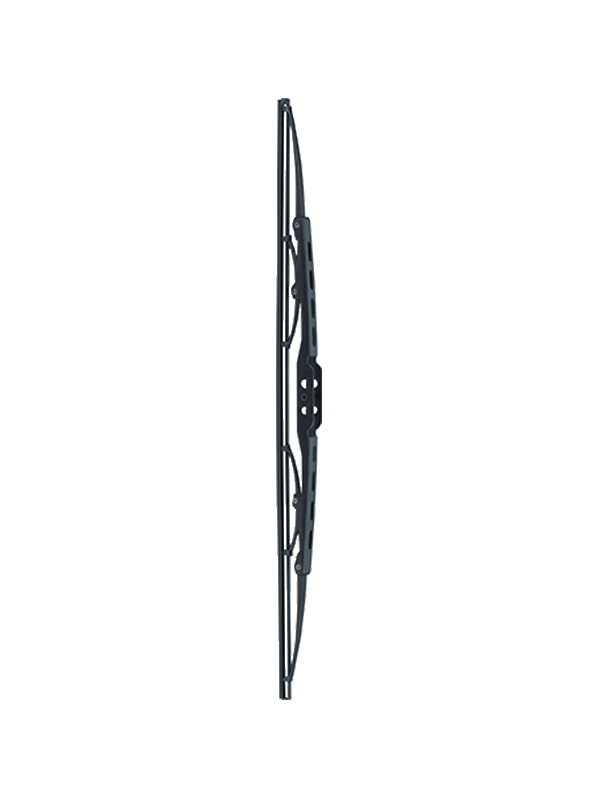
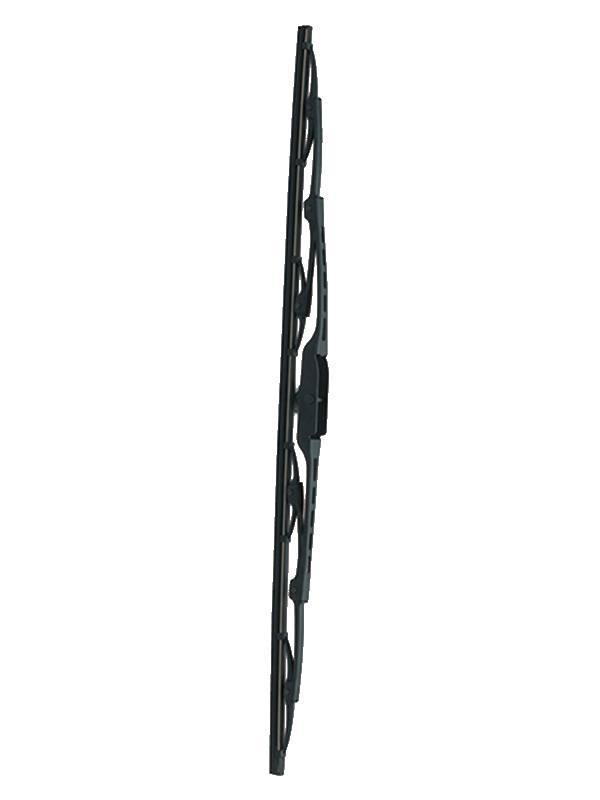
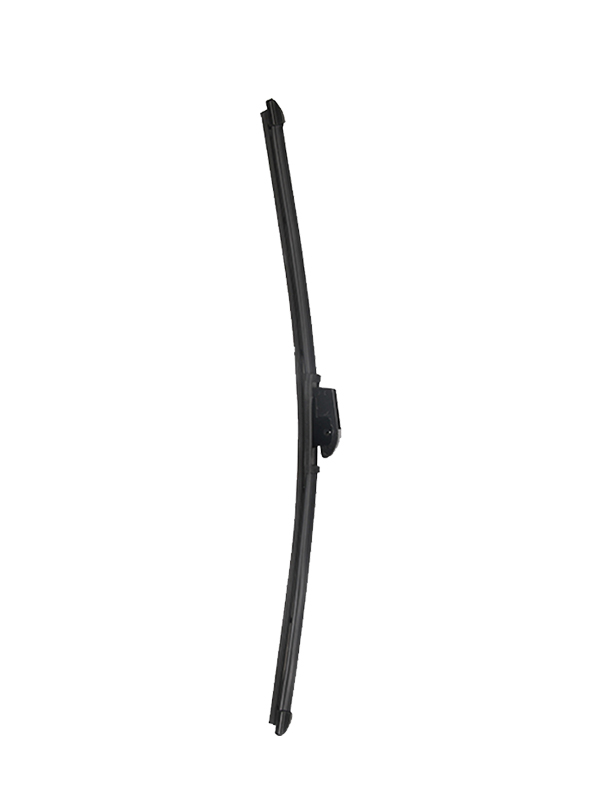

China's famous universal wiper blade manufacturer and customized wiper blade supplier.
share
contact information
Tel: +86-574-86572688
Fax: +86-574-86572685
Email: sales@aiduo-wiper.com
Add: Mechanical and Electrical Industrial Park, Luotuo Town, Zhenhai District, Ningbo City, Zhejiang Province, China.

