

 English
  中文简体
中文简体 

Submit feedback
How Often Should You Replace Classic Wiper Blades to Ensure Maximum Effectiveness?

Understanding the Lifespan of a Classic Wiper Blade
A classic wiper blade is a mechanical component that wears down through repeated exposure to sunlight, temperature swings, road grime, and friction against glass. Unlike many modern accessories that fail suddenly, a conventional wiper blade degrades gradually, which is why many drivers keep using a worn blade far longer than they should. The rubber edge hardens, cracks, or develops uneven wear patterns long before total failure, and this slow decline is often mistaken for normal performance.
Most automotive maintenance guides recommend replacing a traditional wiper blade every six to twelve months, though the actual interval depends heavily on climate, usage frequency, and parking conditions. A vehicle parked outdoors in direct sun year-round will typically need replacement closer to the six-month mark, while a garage-kept car in a mild climate may stretch to twelve months without significant streaking.
Key Factors That Shorten Wiper Blade Life
Several environmental and mechanical factors accelerate the breakdown of a frame wiper blade. Understanding these helps drivers anticipate replacement needs rather than reacting only after visible streaking begins.
Primary Wear Accelerators
- Prolonged ultraviolet exposure causes the rubber compound to oxidize and stiffen
- Repeated freeze-thaw cycles create micro-cracks along the wiping edge
- Airborne grit and road salt act as abrasives during each wipe cycle
- Running wipers on a dry windshield increases friction-based wear
- Ozone exposure in urban environments speeds up rubber degradation
A windshield wiper blade exposed to consistent freezing temperatures often shows brittleness within three to four months, while one used mainly in temperate, shaded conditions may perform reliably for closer to a year.
Warning Signs That Signal Immediate Replacement
Recognizing the early symptoms of wear on an automotive wiper blade prevents reduced visibility during critical driving moments, particularly in rain or snow.
| Symptom | Likely Cause | Urgency |
|---|---|---|
| Streaking across glass | Hardened or cracked rubber edge | Replace soon |
| Skipping or chattering | Uneven pressure or bent frame | Replace soon |
| Squeaking noise | Dry or glazed rubber surface | Monitor closely |
| Visible cracks or splits | UV and ozone degradation | Replace immediately |
| Incomplete water clearance | Worn or torn wiping edge | Replace immediately |
A car wiper blade showing two or more of these symptoms simultaneously should be treated as a safety concern rather than a minor inconvenience, especially before long road trips or seasonal weather shifts.
Seasonal Replacement Guidance
Seasonal timing plays a major role in determining when to replace a front windshield wiper. Many experienced drivers align replacement with seasonal transitions rather than waiting for visible failure.
A universal wiper blade that performed well through summer may not survive winter conditions without inspection, since rubber compounds respond differently to heat versus cold stress.
Material Differences That Affect Replacement Timing
Not all wiping edges are built the same. The material composition of a replacement wiper blade directly influences how long it remains effective under daily conditions.
Common Blade Materials
- Natural rubber wiper blade: offers smooth initial contact but degrades faster under intense sun exposure
- Graphite coated wiper: reduces friction and extends smooth operation, often lasting longer between replacements
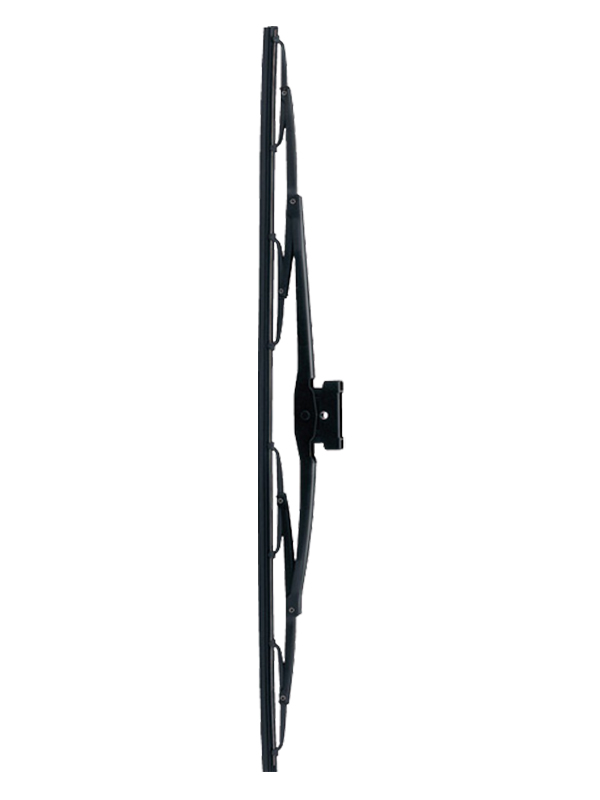
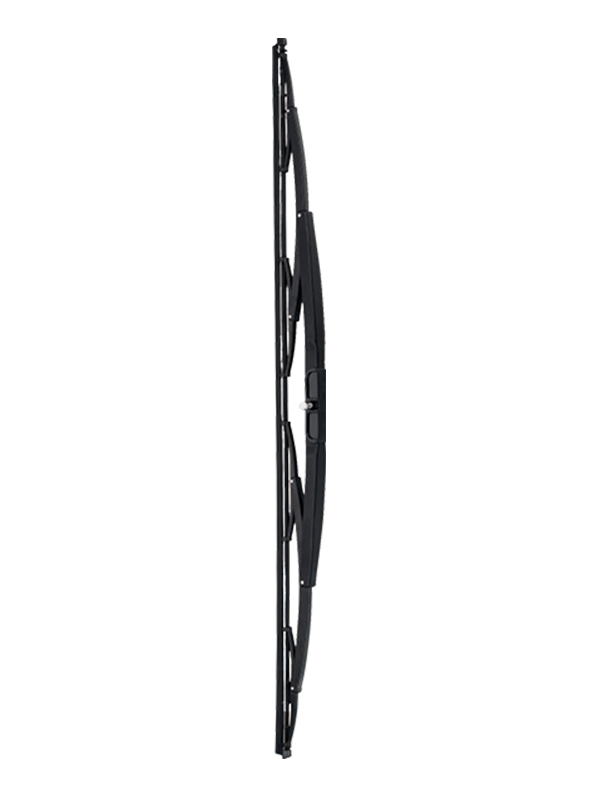
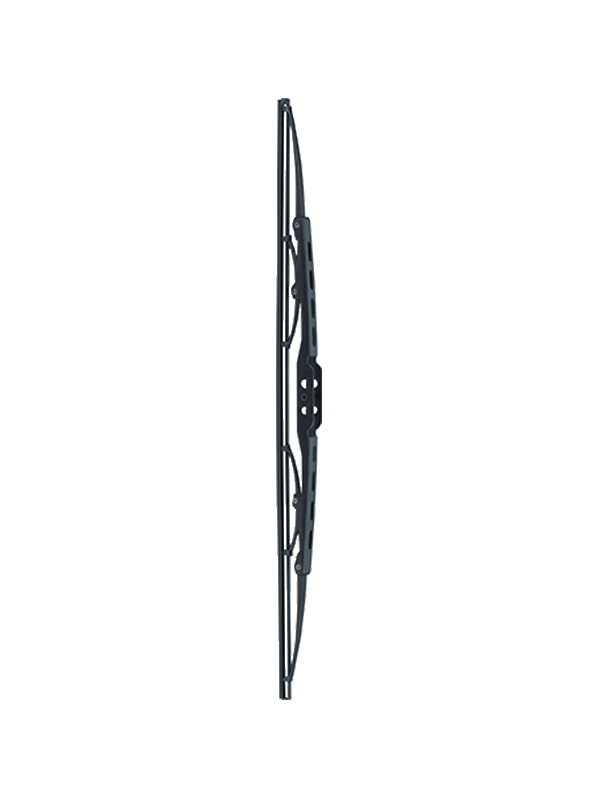
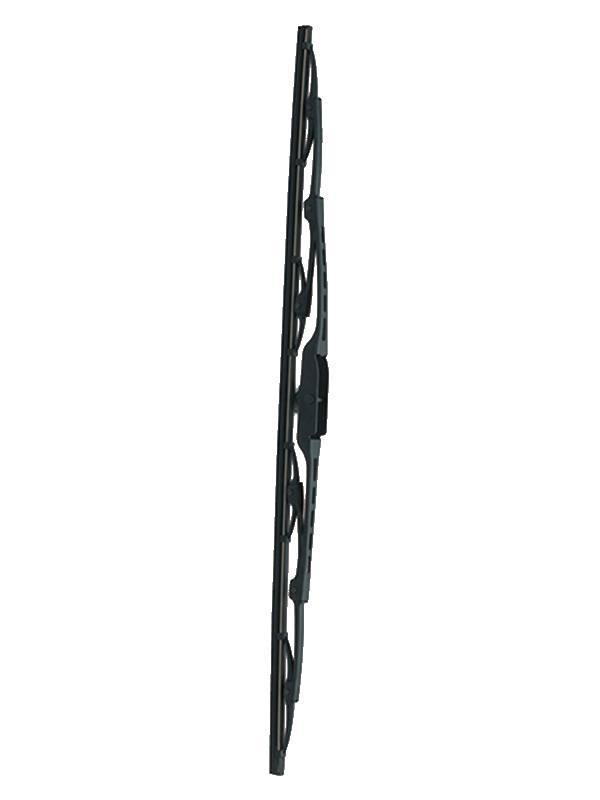
- Metal bracket wiper blade: provides structural support but the frame joints can accumulate debris affecting even pressure distribution
A classic windshield wiper blade built with a graphite-coated surface typically maintains clarity longer than an untreated rubber edge, though both eventually require replacement as the coating wears away.
Extending Wiper Blade Performance Between Replacements
While replacement is inevitable, proper maintenance can meaningfully extend the usable life of a traditional wiper blade and improve performance in the interim.
Practical Maintenance Steps
- Wipe the rubber edge with a soft cloth and mild cleaning solution monthly
- Lift blades away from glass during extended parking in direct sun when practical
- Clear ice and snow manually before activating wipers in winter
- Clean the windshield surface regularly to reduce abrasive buildup
- Inspect the frame arm for looseness or corrosion every few months
These habits do not eliminate the need for eventual replacement but can help a conventional wiper blade maintain consistent contact and clearing performance for a longer stretch of its service life.
Typical Replacement Intervals by Usage Pattern
| Usage Pattern | Recommended Interval |
|---|---|
| Daily commuter, outdoor parking | Every 6 months |
| Occasional driver, garage parking | Every 10 to 12 months |
| High UV or coastal climate | Every 4 to 6 months |
| Cold climate with frequent frost | Every 6 to 8 months |
These intervals apply broadly to a car wiper blade regardless of frame style, though drivers should always prioritize visible performance signs over calendar timing alone.
Frequently Asked Questions
Q1: How do I know if my wiper blade needs replacing right now?
Check for streaking, skipping, squeaking, or visible cracks in the rubber edge. If the blade leaves noticeable dry patches or smears water across the glass, replacement is generally needed regardless of how long it has been in use.
Q2: Can I extend the life of a worn wiper blade instead of replacing it?
Cleaning the rubber edge and windshield surface can temporarily improve performance, but once cracks or hardening appear, cleaning alone will not restore proper clearing ability. Replacement remains the reliable solution at that point.
Q3: Does climate really change how often I should replace wiper blades?
Yes. Intense sun exposure and freezing temperatures both accelerate rubber degradation, so vehicles in extreme climates typically need replacement more often than those in mild, stable conditions.
Q4: Is it normal for a new wiper blade to squeak initially?
A brief adjustment period can occur as the rubber edge conforms to the windshield curvature, but persistent squeaking after several uses often indicates improper installation or a manufacturing inconsistency.
Q5: Should I replace both wiper blades at the same time?
Replacing both blades together is generally recommended, since they experience similar environmental exposure and replacing only one can lead to uneven clearing performance across the windshield.

China's famous universal wiper blade manufacturer and customized wiper blade supplier.
share
contact information
Tel: +86-574-86572688
Fax: +86-574-86572685
Email: sales@aiduo-wiper.com
Add: Mechanical and Electrical Industrial Park, Luotuo Town, Zhenhai District, Ningbo City, Zhejiang Province, China.

