

 English
  中文简体
中文简体 

Submit feedback
Top Tips for Installing Flat Wiper Blades on Your Car

Why Correct Installation Matters More Than Blade Choice
A high quality flat wiper can still perform poorly if it is mounted incorrectly. Many drivers assume that once a blade clicks onto the arm, the job is finished. In practice, angle alignment, arm tension, and connector fit all influence how evenly the blade contacts the glass. A misaligned blade can leave streaks even when the rubber itself is brand new.
This guide walks through the installation process step by step, explains why beam wiper blades behave differently from older frame designs, and highlights the mistakes that cause premature wear or noisy operation.
Flat vs Traditional Wiper Blades: What Changes During Installation
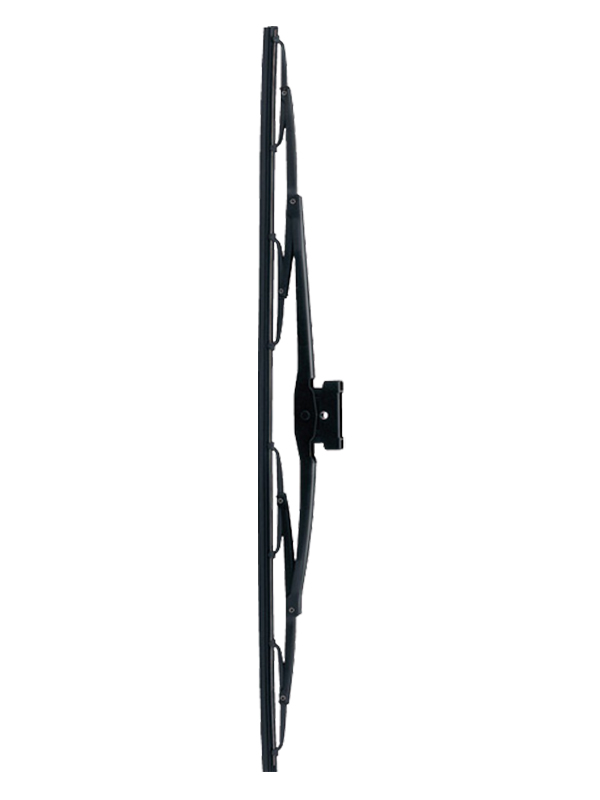
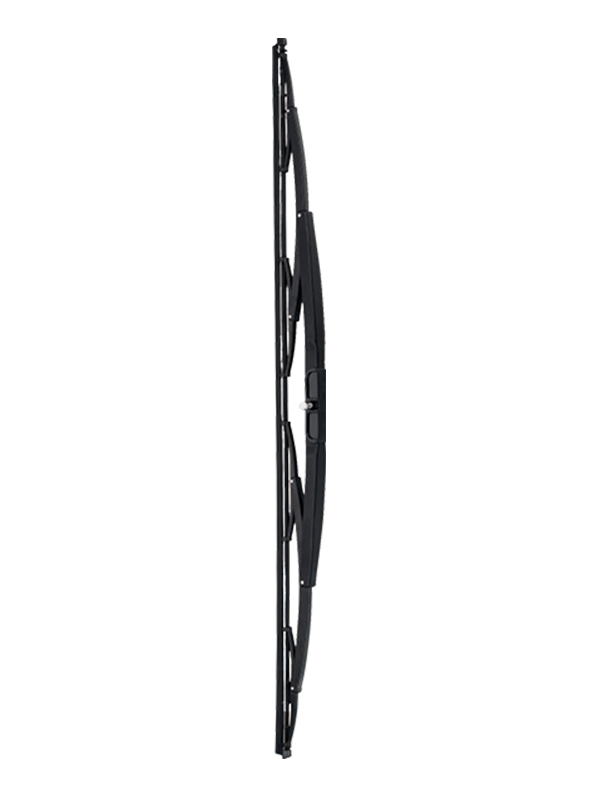
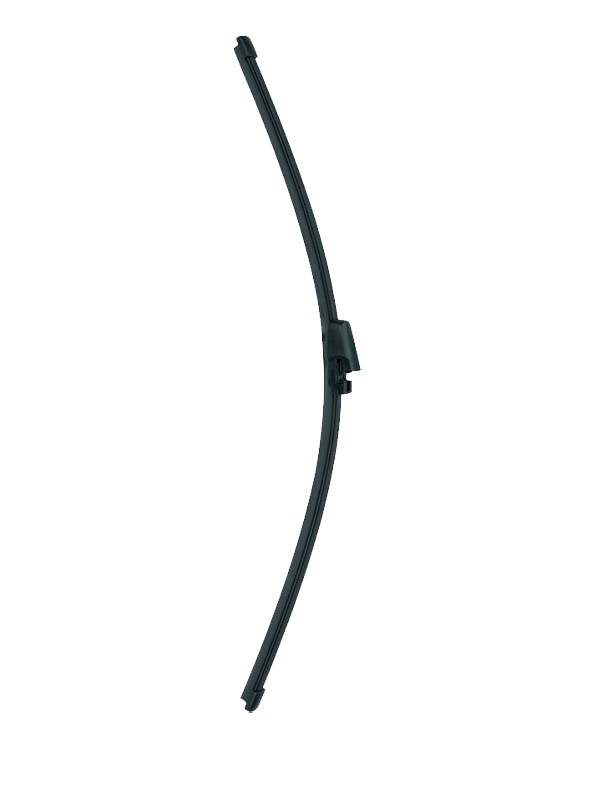
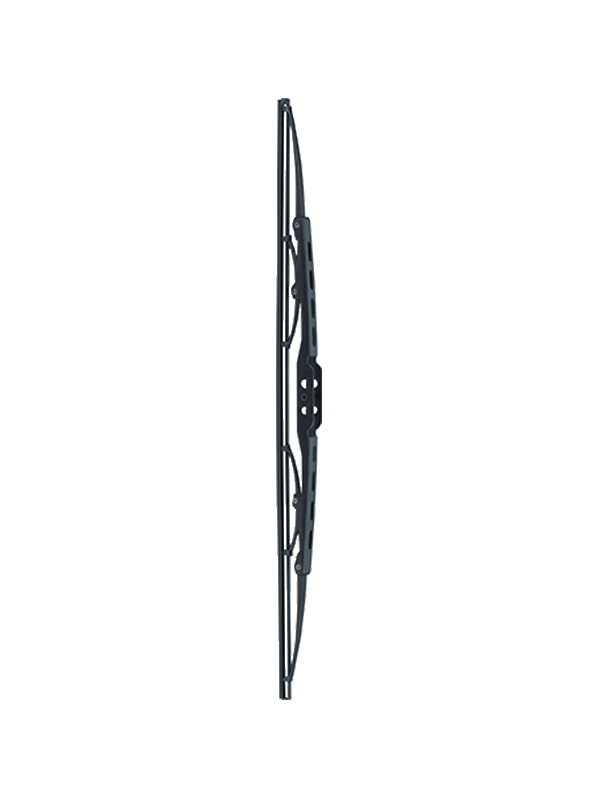
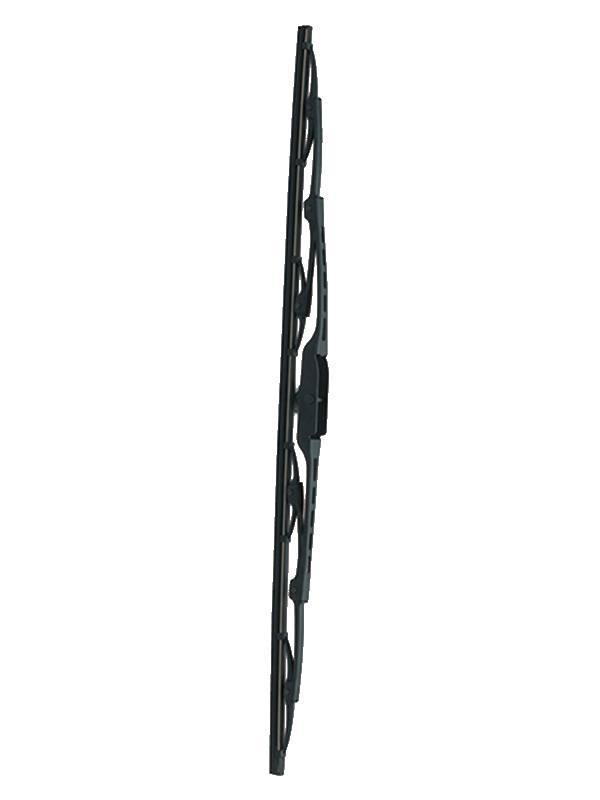
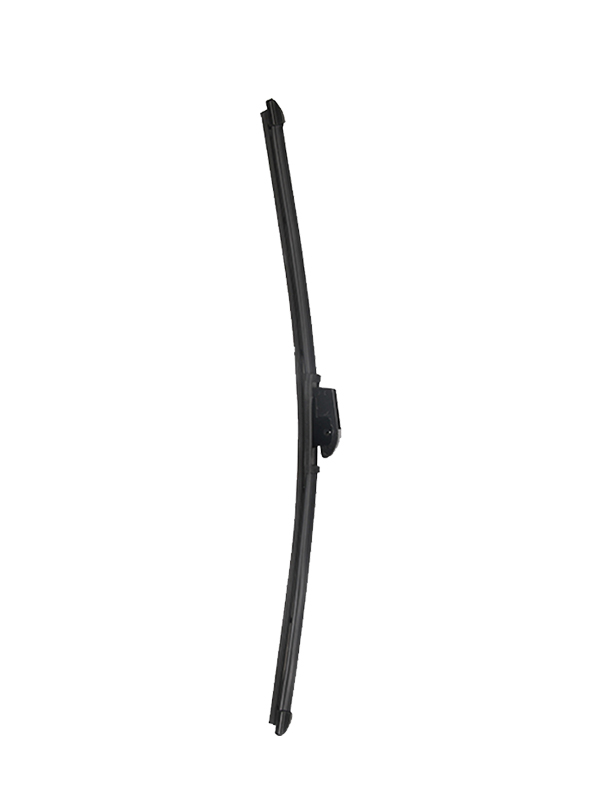
Traditional wiper blades rely on a metal frame with multiple pivoting joints (a claw-style bracket) that distributes pressure across several points along the rubber strip. Flat wiper blades remove this frame entirely, replacing it with a single flexible spine embedded inside the blade itself. This structural difference changes how the blade should be handled during installation.
| Aspect | Traditional Frame Blade | Flat Beam Blade |
|---|---|---|
| Pressure Distribution | Concentrated at joint points | Even along the full length |
| Connector Type | Hook or pin, several variants | Universal adapter, fewer variants |
| Installation Sensitivity | Moderate | High, alignment matters more |
| Ice and Snow Resistance | Joints can freeze | Fewer moving parts to freeze |
| Typical Noise Risk if Misaligned | Chatter at joints | Full-length squeal |
Because a flat blade has no exposed joints, any installation error tends to affect the entire wiping edge rather than a single section. This is why precision during mounting is more important with this design than with older frame-style blades.
Tools and Preparation Before You Start
Installation itself takes only a few minutes, but a short preparation phase prevents most common problems. Gather the following before removing the old blade:
- A clean microfiber cloth
- The replacement blade matched to the correct connector type
- A small notepad or phone camera to record the old blade length and connector shape
- Isopropyl-based glass cleaner for the windshield surface
Before touching the new blade, lift the wiper arm away from the windshield and prop it in the upright service position most vehicles support. Working with the arm resting on the glass risks cracking the windshield if the arm slips during removal.
Step-by-Step Installation Process
- Lift the wiper arm away from the glass until it locks in the upright service position.
- Locate the small release tab where the old blade meets the arm and press it while pulling the blade down and out.
- Confirm the connector type on the new blade matches the arm shape; most flat blades ship with an adapter that fits several hook styles.
- Slide the new blade onto the arm at a slight angle, then straighten it until the connector seats fully.
- Push gently until you hear or feel a distinct click, confirming the locking mechanism has engaged.
- Lower the arm back onto the windshield slowly, avoiding a sudden drop that can bend the spine.
Common Installation Mistakes and Their Effects
A blade that looks correctly attached can still be misaligned by only a few degrees, and that small offset is often enough to cause streaking across the entire wiping arc.
| Mistake | Likely Symptom | How to Fix |
|---|---|---|
| Forcing the wrong adapter size | Loose blade or rattling | Check adapter kit for the matching size before pushing |
| Skipping the click confirmation | Blade detaches mid-use | Always test with a firm tug after installation |
| Installing blade upside down | Uneven pressure, streaking | Match the curve direction to the arm angle |
| Not cleaning the glass first | Residue transfer, smearing | Wipe windshield with glass cleaner beforehand |
| Dropping the arm onto glass | Bent spine, chatter | Lower the arm slowly by hand |
What to Look for in Flat Wiper Manufacturers
Not all flat wiper manufacturers design connectors and spines to the same tolerance. Since installation quality depends partly on how precisely the adapter fits the arm, it helps to evaluate a few practical factors rather than relying on packaging claims alone.
- Adapter coverage: broader adapter kits reduce the chance of a loose or forced fit.
- Spine material: a stainless steel spine tends to hold curvature consistently across temperature changes.
- Rubber compound: graphite-coated rubber typically reduces friction noise during the first weeks of use.
- Manufacturing tolerance: tighter tolerances on the connector reduce the wobble that causes streaking.
Reading installation instructions before purchase, rather than after, can also reveal whether a given connector style is compatible with your vehicle without needing an extra adapter.
Post-Installation Checks for Long-Term Performance
Once beam wiper blades are installed, a short test cycle helps confirm everything is seated correctly before relying on them in wet conditions.
Dry Test
Run the wipers on a dry windshield for two or three cycles to check for any dragging or catching sound.
Water Test
Spray the glass with water and observe whether the blade clears in a single, even pass without leaving arcs.
Edge Check
Inspect both ends of the blade to confirm they are not lifting away from the glass during motion.
If streaking persists after installation, the cause is more often alignment or a residue film on the glass than a defect in the blade itself. Re-cleaning the windshield with a dedicated glass cleaner resolves a large share of these cases.
Frequently Asked Questions
Q1: How often should flat wiper blades be replaced?
Most flat blades perform reliably for six to twelve months depending on climate exposure, UV intensity, and how often the vehicle is parked outdoors. Visible cracking or consistent streaking are the clearest signs replacement is due.
Q2: Can a flat wiper blade fit any car without an adapter?
Not always. While many flat blades include multiple adapters to cover common hook and pin styles, some vehicles use proprietary connectors that require a specific adapter included by the manufacturer.
Q3: Why does a newly installed blade still squeal?
New rubber sometimes has a light coating from manufacturing that creates temporary noise. This typically fades after a few uses. Persistent squealing after a week usually points to misalignment rather than the blade material.
Q4: Is it necessary to replace both blades at the same time?
It is generally recommended, since blades installed at different times wear unevenly and can leave one side of the windshield noticeably less clear than the other during heavy rain.
Q5: Do flat wiper blades work well in snow and ice?
Their single-piece spine design has fewer joints where ice can accumulate, which generally helps them maintain consistent contact with the glass in cold conditions compared to jointed frame blades.

China's famous universal wiper blade manufacturer and customized wiper blade supplier.
share
contact information
Tel: +86-574-86572688
Fax: +86-574-86572685
Email: sales@aiduo-wiper.com
Add: Mechanical and Electrical Industrial Park, Luotuo Town, Zhenhai District, Ningbo City, Zhejiang Province, China.

