

 English
  中文简体
中文简体 

Submit feedback
The Rise of Flat Wipers in the Automotive Industry: What You Should Know

Why Flat Wipers Are the New Standard
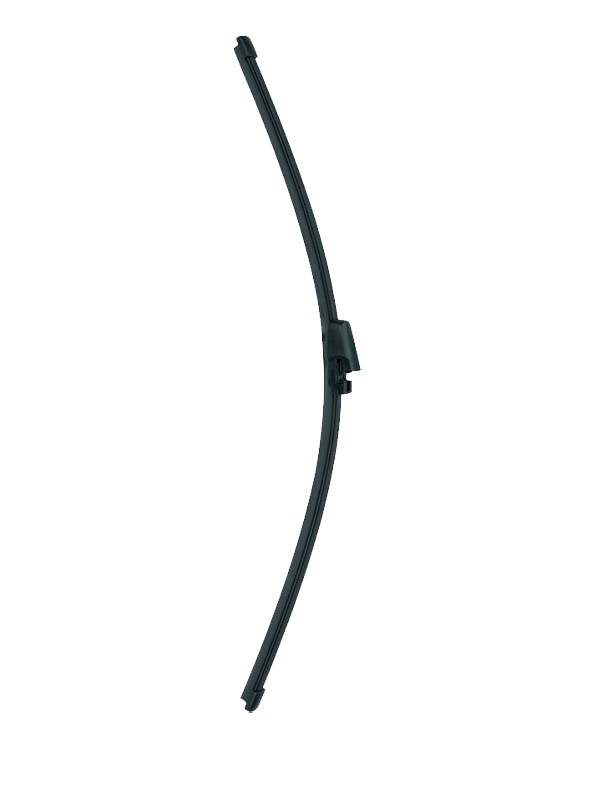
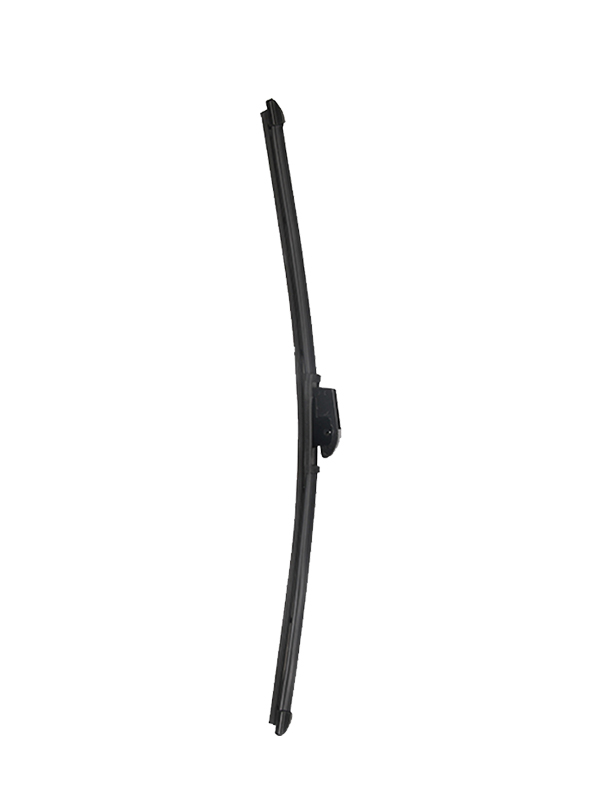
Flat wiper blades, also known as beam blades, have become the preferred choice for modern vehicles due to their superior aerodynamic design and consistent pressure distribution. Unlike traditional wipers, flat wipers utilize a tensioned metal strip to apply uniform pressure across the entire windshield, ensuring a cleaner wipe and clearer visibility. This design, combined with their bracketless construction, allows them to reduce wind noise by up to 30% and last significantly longer than conventional alternatives.
Understanding the Core Advantages of Flat Wiper Technology
The shift from traditional to flat wipers is driven by several key performance enhancements that directly impact driving safety and comfort.
Superior Aerodynamics and Noise Reduction
At high speeds, traditional wipers are susceptible to lift, which causes them to flutter and lose contact with the windshield. Flat wipers feature an integrated spoiler that uses airflow to press the blade more firmly against the glass. This aerodynamic optimization not only eliminates lift at critical angles but also significantly reduces wind noise, creating a quieter cabin environment.
Enhanced Wiping Performance and Longevity
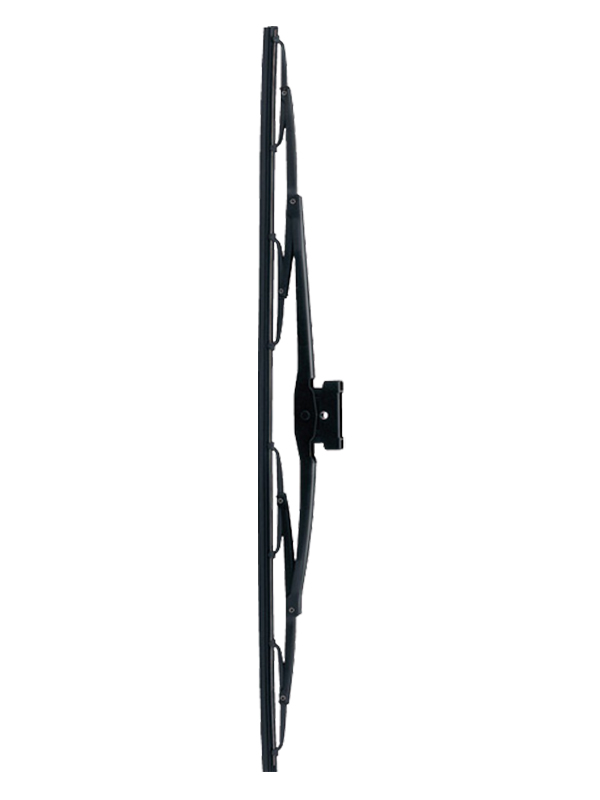
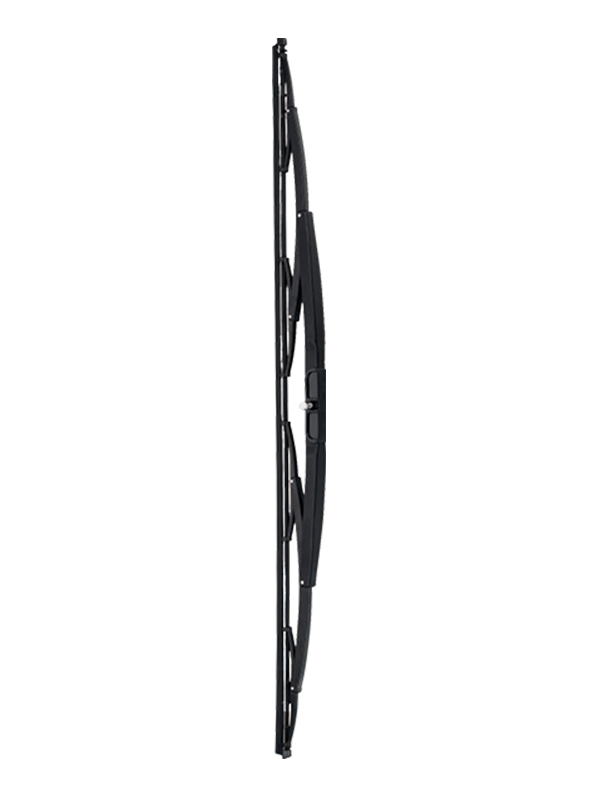
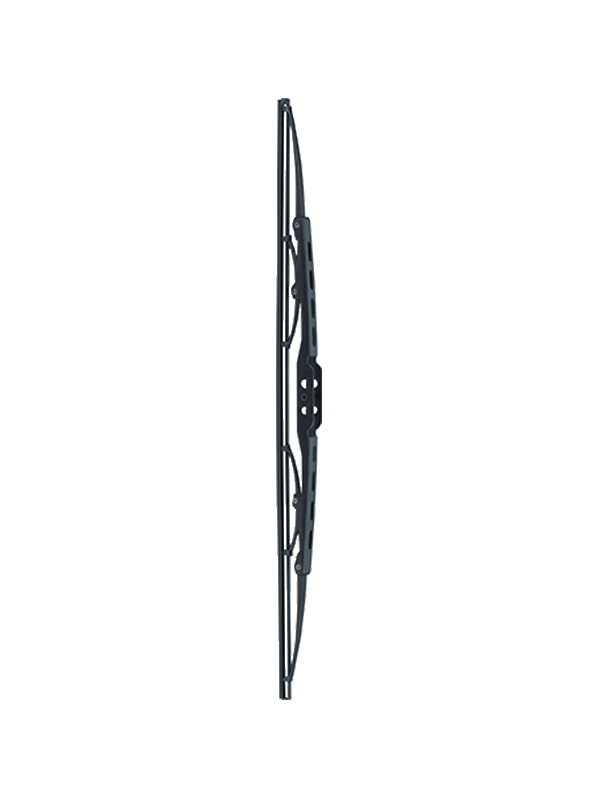
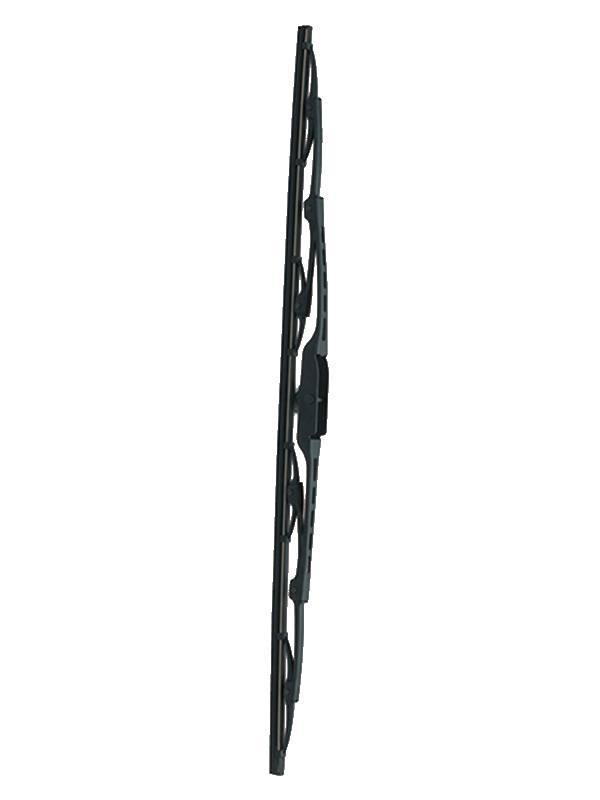
Traditional wipers rely on a frame with 4 to 8 pressure points, often leading to uneven cleaning and streaks. In contrast, flat wipers utilize a spring steel rail that provides hundreds of pressure points along the blades length. This ensures perfect glass contouring and consistent wiping performance. Furthermore, the bracketless design reduces moving parts that can corrode, resulting in a service life that is up to 30% longer than traditional wipers.
Market Growth: A Clear Preference for Flat Wipers
Market data confirms the automotive industrys accelerated adoption of flat wiper technology. This growth is fueled by increasing vehicle safety standards and consumer demand for durable, high-performance components.
- Global Market Expansion: The automotive wiper blades market is projected to grow significantly, with flat wipers playing a dominant role.
- Dominant Market Share: Flat wipers are projected to capture a substantial portion of the market, reflecting a strong industry preference. Some estimates suggest they will hold nearly 49% of the market by 2025.
- Regional Growth: In developing automotive markets, the demand for flat wipers is surging. For example, the flat automotive wiper segment in India is expected to grow at a compound annual growth rate (CAGR) of 7.7% through 2031.
Flat Wipers vs. Traditional and Hybrid Wipers
Understanding the technical differences between wiper types is crucial for making informed decisions. The following table provides a clear comparison:
| Feature | Flat (Beam) Wipers | Traditional (Frame) Wipers | Hybrid Wipers |
|---|---|---|---|
| Design | Bracketless, single-piece with steel tension strip | Metal frame with multiple pivot points | External shell with internal frame |
| Pressure Distribution | Uniform across entire blade (hundreds of points) | Concentrated at 4-8 joints | Moderate, combining frame and shell |
| Aerodynamics | Excellent (integrated spoiler) | Poor (prone to lift at speed) | Good, but less than flat wipers |
| Noise Level | Quiet (reduced wind noise) | Noisy (chatter or flutter) | Quiet, but may have slight frame noise |
| Longevity | High (12-18 months typical) | Lower (6-12 months) | Medium (9-12 months) |
Design and Manufacturing Excellence
The performance of flat wipers is a direct result of their advanced engineering and precision manufacturing processes. Independent design capabilities are crucial for achieving optimal wiping results.
The Critical Role of the Spring Steel Rail
The core of a flat wiper is the spring steel rail, which must be carefully manufactured to provide the correct tension. The process involves cutting, pre-curving, and heat-treating high-carbon or stainless steel to ensure it maintains the ideal curvature for each specific windshield profile. This precision engineering is what allows for the consistent pressure that defines flat wiper performance.
Material Science and Quality Control
Beyond the metal frame, the rubber formulation plays a vital role. High-quality flat wipers use advanced materials like EPDM (Ethylene Propylene Diene Monomer) for the wiping element, which is specifically engineered for abrasion resistance, UV stability, and low noise. Manufacturing processes include rigorous quality control tests, such as ozone cracking tests and salt spray tests, to ensure the blade can withstand harsh environmental conditions without degrading.
Frequently Asked Questions (FAQ)
What is the main advantage of flat wipers over traditional ones?
The main advantage is their ability to provide uniform pressure across the entire windshield. This eliminates streaking and ensures a clear view, especially at high speeds, due to their superior aerodynamic design.
How long do flat wiper blades typically last?
On average, flat wipers last between 12 to 18 months, which is significantly longer than traditional wipers due to their robust construction and resistance to corrosion.
Are flat wipers compatible with all vehicles?
While they are the standard on new vehicles, flat wipers can be fitted to most older vehicles using specific connector adapters.
Why are flat wipers quieter than other types?
The bracketless design and aerodynamic profile reduce wind resistance and mechanical chattering, making them much quieter.

China's famous universal wiper blade manufacturer and customized wiper blade supplier.
share
contact information
Tel: +86-574-86572688
Fax: +86-574-86572685
Email: sales@aiduo-wiper.com
Add: Mechanical and Electrical Industrial Park, Luotuo Town, Zhenhai District, Ningbo City, Zhejiang Province, China.

