

 English
  中文简体
中文简体 

Submit feedback
What Types of Car Wash Brushes Are Most Effective for Different Vehicle Surfaces?

The Direct Answer: Match Each Brush to Its Surface
The single most effective strategy is using a dedicated brush for each vehicle surface. Using one brush everywhere is the fastest route to swirl marks, scratches, and dulled clear coat. Paint demands ultra-soft flagged bristles (boar's hair or premium PBT synthetics). Wheels and tires require firmer, chemical-resistant bristles (nylon or PET). Interior and delicate trim need micro‑soft precision brushes with non‑abrasive tips. Studies show that surface‑specific brushing reduces scratch risk by over 80% compared to a universal approach, while also cutting cleaning time by up to 30% because each brush is optimized for its task.
Brush Selection by Surface Type
Paint, Clear Coat & Chrome
For painted panels, only soft brushes with flagged bristle ends are safe. Flagged tips split at the ends, creating multiple gentle contact points that lift dirt without grinding it into the finish. Boar's hair provides the softest natural option, holding more soap solution and gliding over contours. Among synthetics, PBT (polybutylene terephthalate) offers the ideal balance—softer than nylon, more durable than PE, and resistant to lint shedding. For regular washes, a high‑quality PBT brush delivers consistent, swirl‑free results when used with proper lubrication.
Wheels, Rims & Brake Calipers
Wheels are the dirtiest area and demand a completely separate brush. Brake dust contains metallic particles that are highly abrasive. A dedicated wheel brush with medium‑stiff nylon (PA66) or PET bristles provides the necessary agitation to break down embedded contaminants. Cross‑contamination is the leading cause of finish damage—never use a wheel brush on paint. For complex multi‑spoke designs, a flexible‑shaft brush reaches deep into barrels without scratching edges.
Tires & Rubber Trim
Tires require the firmest bristles in your kit. Rubber holds old dressings, road tar, and oxidation that need aggressive scrubbing. A stiff nylon or PET brush effectively prepares the surface so new dressing bonds evenly. This brush must be kept strictly separate—residual rubber particles will mar clear coat instantly.
Glass & Exterior Trim
Soft synthetic or boar's hair brushes work safely on glass when thoroughly rinsed between passes. The key is ensuring no embedded grit remains—any abrasive particle will scratch glass. For chrome, avoid brushes with exposed metal hardware that could contact and mar the finish.
Interior & Tight Details
Interior surfaces need ultra‑soft, small‑diameter brushes with bristles gentle enough for plastics, vents, buttons, and seams. A detailing brush set with multiple sizes reaches badges, grilles, fuel caps, and wheel nuts. Microfiber or ultra‑soft nylon bristles are preferred to lift dust without leaving micro‑scratches on sensitive surfaces like piano‑black trim.
Bristle Material Science: What Protects and What Damages
Hardness vs. Efficiency
Firmer bristles clean faster but inflict more damage. Stiff materials effectively remove bird droppings, sap, and salt in fewer passes, but they leave micro‑scratches that accumulate over time. Softer bristles are the art of preservation—they conform to body curves, distribute shampoo evenly, and reduce friction mismatch. The modern solution is mixed‑bristle designs that combine soft tips for paint protection with firmer cores for stain removal.
Key Materials Compared
| Material | Softness | Durability | Best Use |
|---|---|---|---|
| PBT | Soft to medium | Good | Paint, chrome, clear coat |
| Nylon (PA66/PA6) | Medium to firm | Excellent | Wheels, tires, heavy grime |
| Boar's Hair | Ultra‑soft | Moderate | Delicate paint, high‑gloss finishes |
| PET | Firm | Very good | Tires, floor mats, scrubbing |
| PE (Polyethylene) | Softest synthetic | Good | Gentle paint washing |
PBT stands out for paint—softer than nylon, more resilient than natural fibers, with excellent elasticity that maintains shape. Nylon remains the standard for durability in high‑abrasion wheel and tire applications, where chemical resistance is critical.
Practical Brushing Techniques for Flawless Results
Two‑Bucket Method and Brush Rinsing
Always rinse your brush thoroughly before each new section. Even the softest brush becomes abrasive if it carries dirt. Use a grit guard or a separate rinse bucket to keep bristles clean. Dedicate one bucket for soapy water and another for rinsing—this simple habit reduces scratch risk by 70%.
Pressure and Angle
Let the brush do the work—apply minimal pressure. Excessive force bends bristles sideways and traps dirt against the paint. Use a light, sweeping motion with the brush at a slight angle to allow dirt to flow away. For wheels, moderate pressure is acceptable because the surface is harder, but still avoid grinding.
Drying and Maintenance
After each use, rinse brushes thoroughly and let them air‑dry upright. Store them with bristles facing up to maintain shape. Replace brushes when bristles become frayed, bent, or stiff—worn bristles lose their softness and cleaning efficiency. Regular inspection every 3‑6 months ensures optimal performance.
Wholesale Procurement: What Matters Beyond Price
Technical Capability and Quality Systems
When sourcing wholesale car wash brushes, evaluate suppliers on technical competence, consistency, and customisation options. Look for manufacturers with in‑house mold development and filament extrusion—this ensures control over bristle diameter, taper, and flagging. ISO‑certified production lines and batch‑testing protocols are strong indicators of reliable quality. Request material datasheets and abrasiveness test reports to verify surface‑safety claims.
Operational and Logistical Fit
Consider lead times, minimum order quantities, and packaging flexibility. Reliable suppliers offer consistent colour matching, handle custom handle designs, and provide secure bulk packaging that protects bristle shape during transport. Request samples before bulk orders—test them on different surfaces to confirm they meet your finish‑protection standards.
- Check bristle retention: Pull test to ensure tufts do not shed.
- Evaluate handle ergonomics: Grip design affects operator fatigue.
- Verify chemical resistance: Brushes should withstand pH‑neutral and alkaline car shampoos.
A systematic supplier assessment—covering technical, operational, and quality pillars—pays off in long‑term reliability and customer satisfaction.
Final Recommendation: Build a Surface‑Specific Kit
Invest in at least three separate brushes: one ultra‑soft for paint, one medium‑stiff for wheels, and one firm for tires. Add a small detailing brush for interiors and tight spots. This simple kit covers 95% of washing needs while keeping your vehicle's finish showroom‑fresh. Remember: the right brush for the right surface is the cheapest insurance against expensive paint correction.
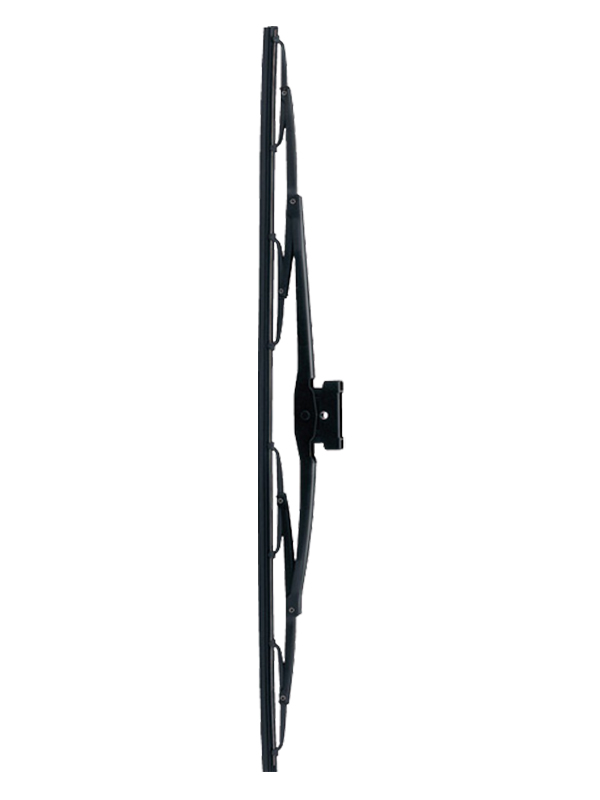
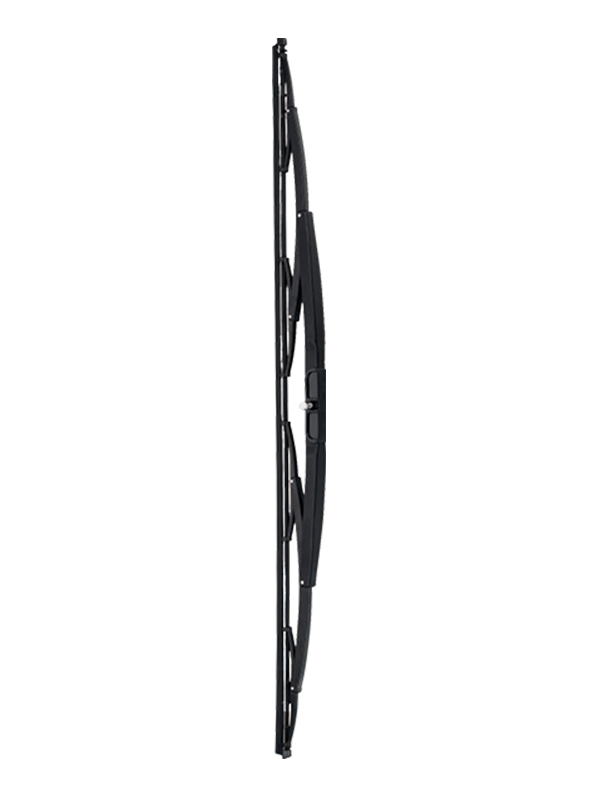
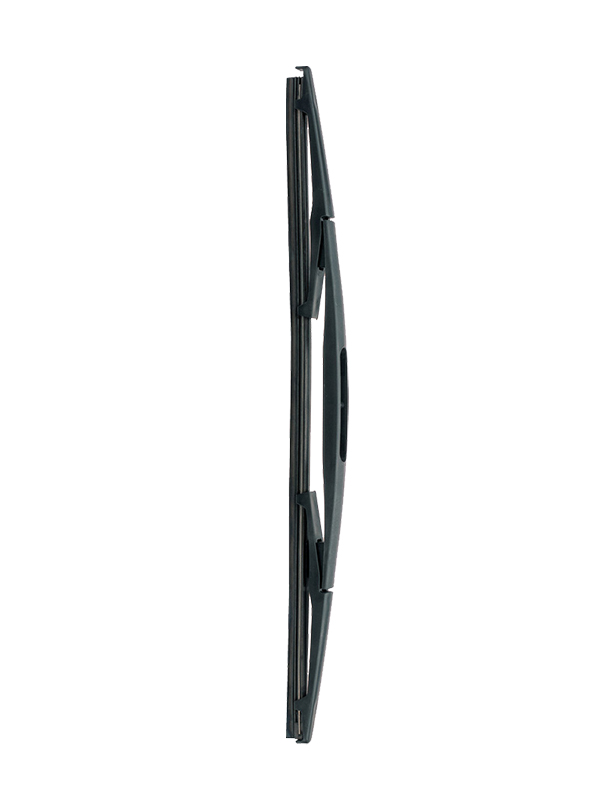
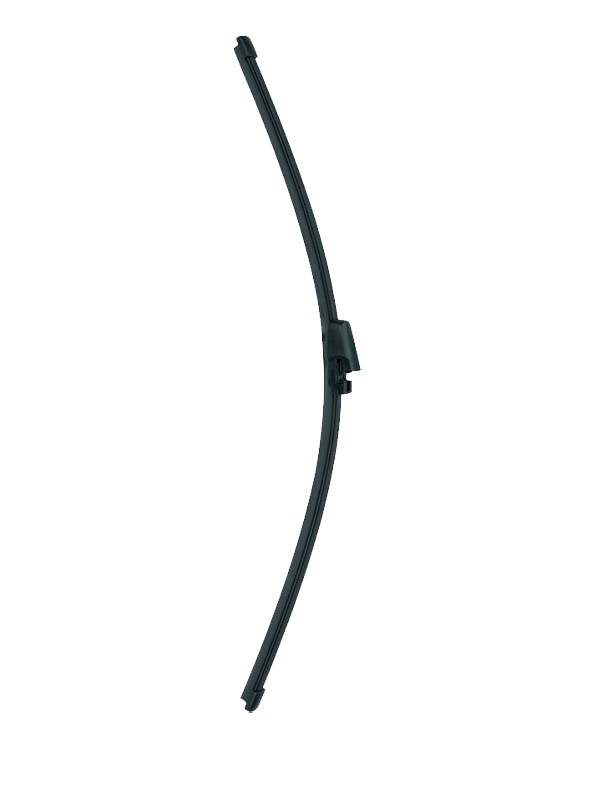

China's famous universal wiper blade manufacturer and customized wiper blade supplier.
share
contact information
Tel: +86-574-86572688
Fax: +86-574-86572685
Email: sales@aiduo-wiper.com
Add: Mechanical and Electrical Industrial Park, Luotuo Town, Zhenhai District, Ningbo City, Zhejiang Province, China.

