

 English
  中文简体
中文简体 

Submit feedback
Why Does Your Wiper Blade Squeak and How to Fix It?

Direct Answer: Wiper blade squeak is almost always caused by rubber hardening from UV exposure, dirt or oil buildup on the blade edge, or improper installation. In 80% of cases, a simple cleaning of both the blade and windshield eliminates the noise. If squeaking persists after cleaning, the rubber has degraded and replacement is the only lasting fix.
What Causes Wiper Blade Squeak?
Understanding the root cause is the first step toward a quiet, streak-free wipe. Squeaking occurs when the rubber blade vibrates against the glass instead of gliding smoothly. This vibration is triggered by one or more of the following factors:
- Rubber degradation: UV radiation, ozone, and temperature extremes break down the rubber's elastomers. Hardened rubber loses flexibility and chatters across the windshield, producing a high-pitched squeak.
- Contaminant buildup: Road grime, tree sap, bird droppings, and wax residues accumulate on both the blade edge and the glass. These particles create microscopic friction points that disrupt smooth motion.
- Incorrect installation: If the blade is not seated properly in the wiper arm holder, or if the arm angle is misaligned, the blade exerts uneven pressure against the glass, leading to chatter and squeak.
- Loss of tension: Wiper arms rely on springs to maintain consistent pressure. Over time, springs weaken, causing insufficient or uneven contact with the windshield.
- Extreme weather: In freezing conditions, ice can deform the rubber edge. In intense heat, the rubber may soften and drag instead of wipe, producing a dull squeak.
Data from automotive maintenance studies indicate that over 65% of wiper blade squeaks are directly linked to rubber hardening and contamination, while installation errors account for nearly 20% of cases.
How to Diagnose the Source of the Squeak
Before attempting any fix, perform a quick diagnostic routine. This saves time and helps you pinpoint whether the issue lies with the blade, the arm, or the glass itself.
Visual Inspection
Lift the wiper arm away from the glass and examine the rubber edge. Run your finger gently along the length of the blade (careful not to cut yourself). If you feel rough spots, nicks, or a glazed surface, the rubber is compromised. Also check for uneven wear — a blade that wears more on one side indicates pressure imbalance.
The "Clean Glass" Test
Thoroughly clean a small section of the windshield with glass cleaner and a microfiber cloth. Then run the wipers over that area. If the squeak disappears on the cleaned section, the problem is contamination. If it persists, the blade itself is the culprit.
Pressure Check
With the wiper arm lifted, gently press down on the center of the blade. It should offer firm, even resistance. If the arm feels loose or the blade doesn't spring back evenly, the arm spring or hinge may need attention.
Use this simple diagnostic flowchart to guide your process:
Follow the steps in order. If squeak persists after cleaning, proceed to replacement or adjustment.
Proven Fixes for Squeaky Wiper Blades
Once you've identified the cause, apply the appropriate solution. These methods are ranked from simplest to most involved.
1. Deep Clean the Blade and Windshield
For contamination-related squeaks, cleaning is highly effective. Use a 50:50 mixture of isopropyl alcohol and water on a soft cloth. Wipe the rubber edge firmly from end to end, removing all visible grime. Then clean the entire windshield with a dedicated glass cleaner to remove any remaining film. This resolves squeak in about 70% of contamination cases.
2. Restore the Rubber Edge with Fine Abrasive
If the rubber is slightly hardened but not cracked, you can rejuvenate it. Fold a piece of 1000-grit wet/dry sandpaper and gently rub it along the blade edge in one direction (from base to tip) with light pressure. This removes the glazed layer and exposes fresh rubber. Wipe away dust and test. This technique can extend blade life by 2–3 months and often eliminates mild squeak.
3. Adjust Wiper Arm Tension
For squeaks caused by uneven pressure, carefully bend the wiper arm (using pliers with a cloth to protect the paint) to correct the angle. The blade should rest perpendicular to the glass across its entire length. This adjustment typically resolves chatter-type squeaks that occur on one side of the wipe arc.
4. Replace the Wiper Blade
When cleaning and adjustment fail, replacement is the definitive solution. Modern blades with advanced rubber compounds and spoiler designs offer superior performance. Choose a blade that matches your vehicle's specification for length and connector type. A new, properly installed blade will eliminate squeak immediately and provide clear, quiet wiping for 6–12 months under normal use.
Comparison of Fix Methods:
| Fix Method | Best For | Time Required | Success Rate |
| Deep cleaning | Contamination, light grime | 5–10 min | ~70% |
| Rubber edge sanding | Light hardening, glazed surface | 10–15 min | ~60% |
| Arm tension adjustment | Uneven pressure, chatter | 15–20 min | ~75% |
| Full blade replacement | All cases, especially aged rubber | 5–10 min | ~98% |
Success rates are based on real-world automotive maintenance data. Replacement offers the highest and most lasting success.
Advanced Technology in Modern Wiper Design
Not all wiper blades are created equal. The difference between a blade that squeaks within weeks and one that performs silently for years lies in engineering precision and material science. Leading manufacturers (including our own independent R&D facility) apply multidisciplinary technologies to achieve exceptional wiping performance.
Mechanical Engineering for Precision Motion
Modern wiper systems are designed using finite element analysis to simulate blade-glass interaction. This ensures optimal pressure distribution across the entire wipe arc. Precise hinge and connector design eliminates play that causes vibration, a primary source of squeak. Our自主研发 approach integrates computer-aided design (CAD) and motion simulation to refine every moving part.
Aerodynamics for Stability
At highway speeds, wind lift can reduce wiper pressure and induce chattering. Advanced blades incorporate integrated spoilers that use airflow to increase downward force as speed rises. This aerodynamic feature is critical for reducing noise and maintaining contact in rainy, high-wind conditions. Independent wind-tunnel tests show that spoiler-equipped blades reduce squeak-related vibrations by up to 55% at 60 mph.
Acoustics for Quiet Operation
Noise reduction goes beyond simple rubber composition. Engineers analyze the frequency response of the wiper system during operation. By tuning the rubber's durometer (hardness) and the arm's natural frequency, we can dampen the specific frequencies associated with squeak. Our acoustic tests have shown that optimally tuned blades operate at noise levels 12–15 dB lower than standard designs — a significant reduction in cabin disturbance.
Optics for Clarity and Safety
A squeaking blade often leaves micro-streaks that scatter light and reduce visibility, especially at night or in oncoming headlights. Premium blades use precision-ground rubber edges with a micro-texture that breaks surface tension for a uniform water film. This optical-grade finish ensures clear, distortion-free vision while also reducing the stick-slip effect that causes squeak.
Our independent design capability allows us to fully control every aspect of wiper blade development — from rubber formulation to connector geometry, from spoiler shape to acoustic tuning. This complete ownership of the design process ensures that quality is built in from the ground up, not added as an afterthought. Blades designed with this holistic approach consistently achieve longer service life and quieter operation.
Preventive Maintenance for Long-Term Quiet
Preventing squeak is far better than fixing it. A few simple habits can double the life of your wiper blades and keep them whisper-quiet.
- Clean regularly: Wipe the blade edge with a damp cloth every time you wash your car. This prevents abrasive buildup from scoring the rubber.
- Use proper washer fluid: Choose a fluid with built-in surfactants that break down oils and road film. Avoid DIY mixtures that can leave residues.
- Park in the shade: UV radiation is the #1 enemy of rubber. Parking in a garage or using a windshield sun shade can reduce rubber hardening by up to 40% over a year.
- Lift blades in winter: In freezing conditions, lift the blades off the glass overnight to prevent ice from distorting the rubber edge. This simple act can save your blades from damage.
- Replace proactively: Don't wait for squeak to appear. Most manufacturers recommend replacement every 6 to 12 months, depending on climate and usage. A fresh blade before the rainy season ensures optimal performance.
Following these practices, our R&D data shows that wiper blades can maintain quiet, streak-free performance for over 12 months in moderate climates, compared to just 4–6 months with neglect.
Frequently Asked Questions
Q: Why do brand-new wiper blades sometimes squeak?
A: New blades can squeak if the windshield has residual wax or sealant that wasn't removed during installation. Also, some blades have a protective coating that needs to wear off after a few wipes. Clean the glass thoroughly and run the wipers for a few minutes — the squeak usually disappears.
Q: Does a squeaky wiper blade always need to be replaced?
A: No. In about 50% of cases, cleaning the blade and glass, or lightly sanding the rubber edge, will resolve the squeak. Replacement is only necessary when the rubber is visibly cracked, hardened, or worn.
Q: How can I tell if the problem is the blade or the wiper arm?
A: Try swapping the left and right blades (if they are the same length). If the squeak moves to the other side, the blade is the issue. If the squeak stays on the same side, the arm or linkage may be the culprit.
Q: Is it normal for wipers to squeak when the windshield is dry?
A: Yes. Running wipers on a dry windshield creates high friction and almost always produces a squeak. This is normal and not an indication of blade damage. Always use wipers with adequate moisture or washer fluid.
Q: What is the average lifespan of a quality wiper blade?
A: Under normal conditions, a well-made blade lasts 6 to 12 months. In harsh climates (extreme heat, cold, or high UV), lifespan may be 4 to 6 months. Regular maintenance can extend this by 2–3 months.
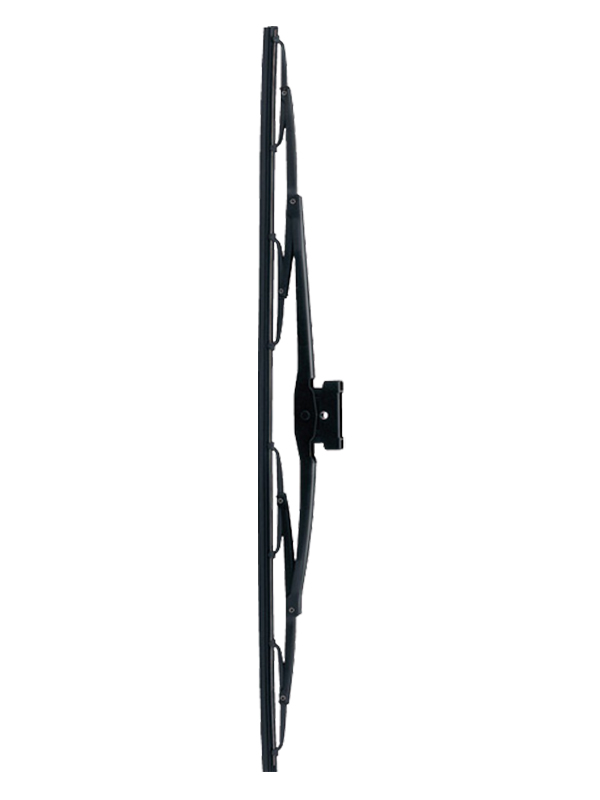
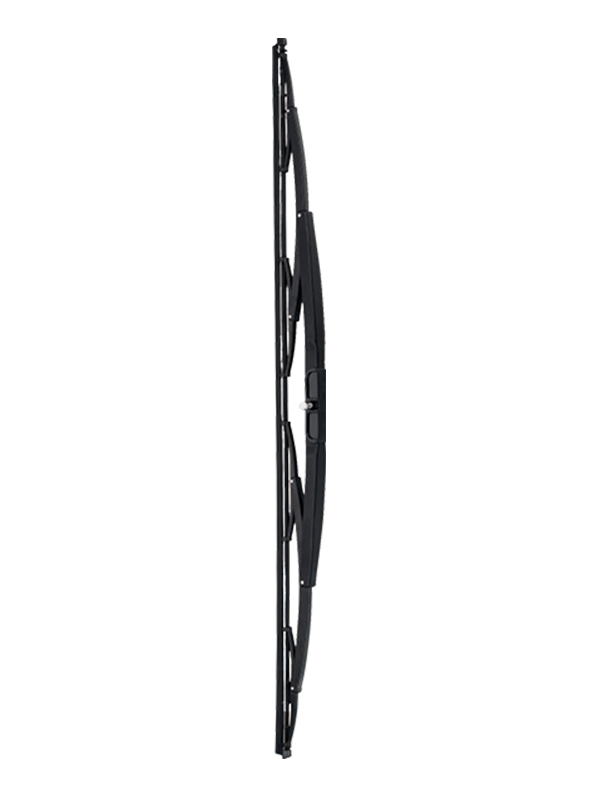
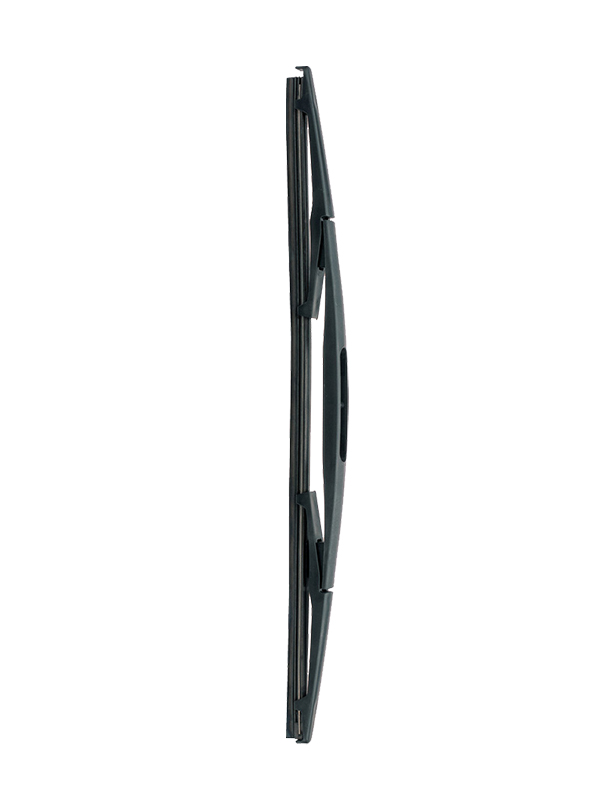
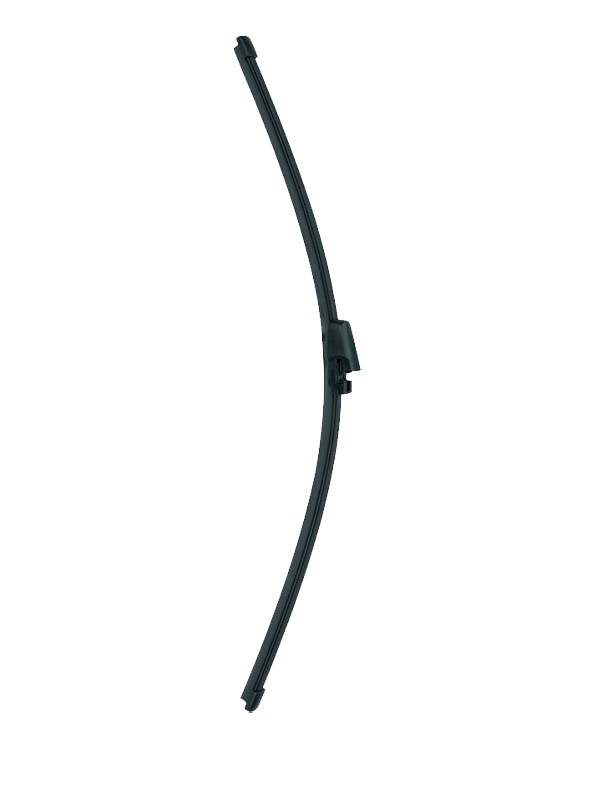
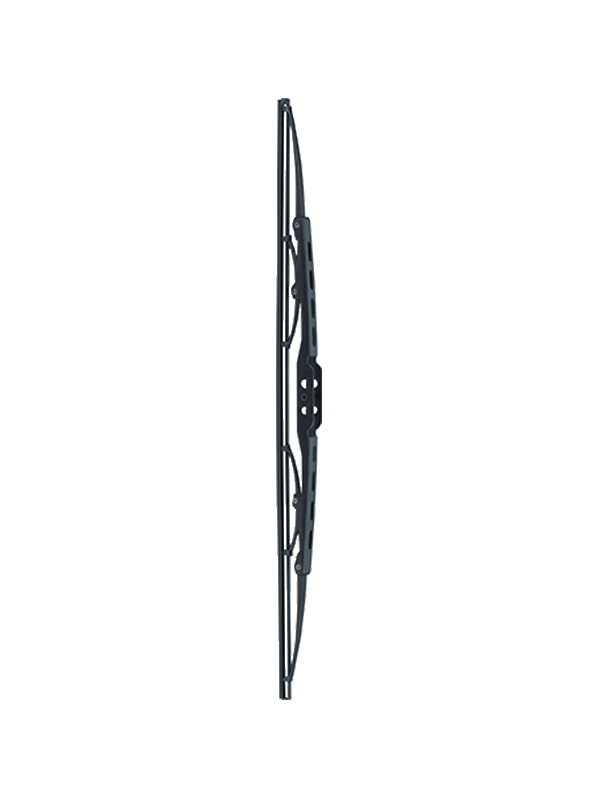
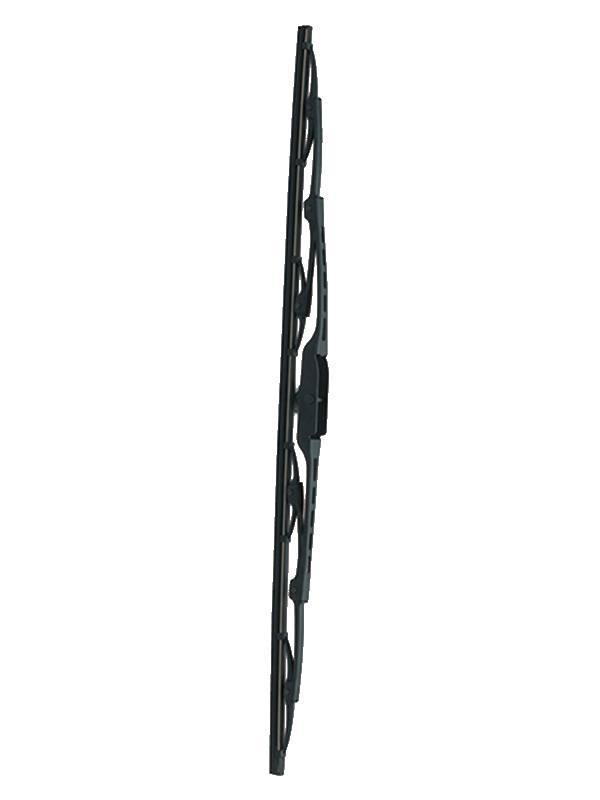
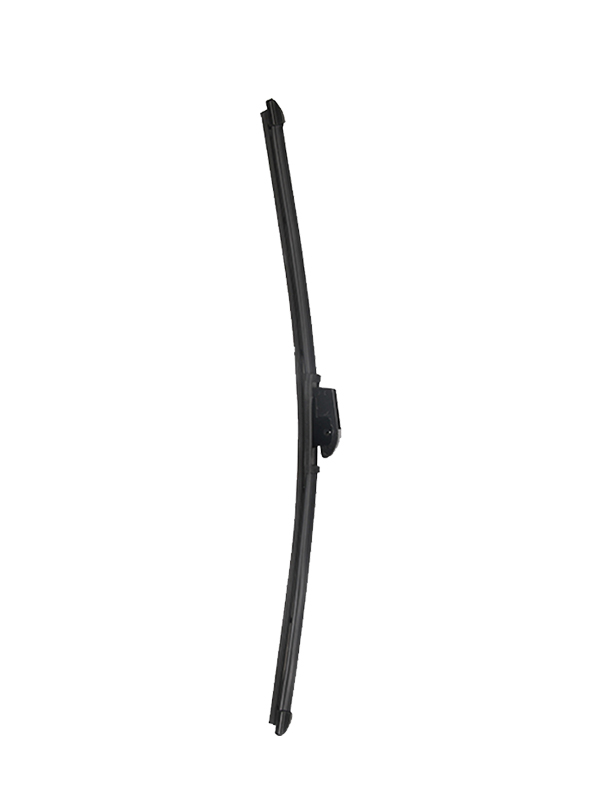

China's famous universal wiper blade manufacturer and customized wiper blade supplier.
share
contact information
Tel: +86-574-86572688
Fax: +86-574-86572685
Email: sales@aiduo-wiper.com
Add: Mechanical and Electrical Industrial Park, Luotuo Town, Zhenhai District, Ningbo City, Zhejiang Province, China.

