

 English
 中文简体


Submit feedback
Why Classic Wipers Still Matter: A Practical Sourcing Guide for Wholesale Buyers

A distributor serving a regional transport operator receives an urgent request. The fleet runs on older buses and light trucks, and the drivers keep reporting the same problem: wipers that chatter in heavy rain and leave streaks across the windshield. The buyer does not need a new technology. The buyer needs a dependable classic wiper that fits existing arms, performs through a full season, and arrives on schedule.
That situation is far from rare. In many regions, a large share of vehicles in service still uses traditional wiper arms and the blades designed for them. Demand for conventional wiper blades therefore stays steady, driven by replacement rather than by new vehicle sales. For wholesalers and importers, this is an attractive profile: the product is simple, widely understood, and easy to stock, and repeat orders tend to follow the installed base of older vehicles rather than the latest model cycle.
Simplicity, however, does not mean every product performs the same. The gap between a well-built blade and a poorly built one appears quickly on the road, and it appears again in the returns folder. This guide is written for importers, distributors, and procurement teams who source wipers in volume. It explains how the product works, where it still performs best, which material and surface factors matter most, how to evaluate a manufacturer, and what to plan for when orders move from samples to full containers. The aim is practical: help buyers ask sharper questions before they commit to a large order.
What a Classic Wiper Is and How It Works
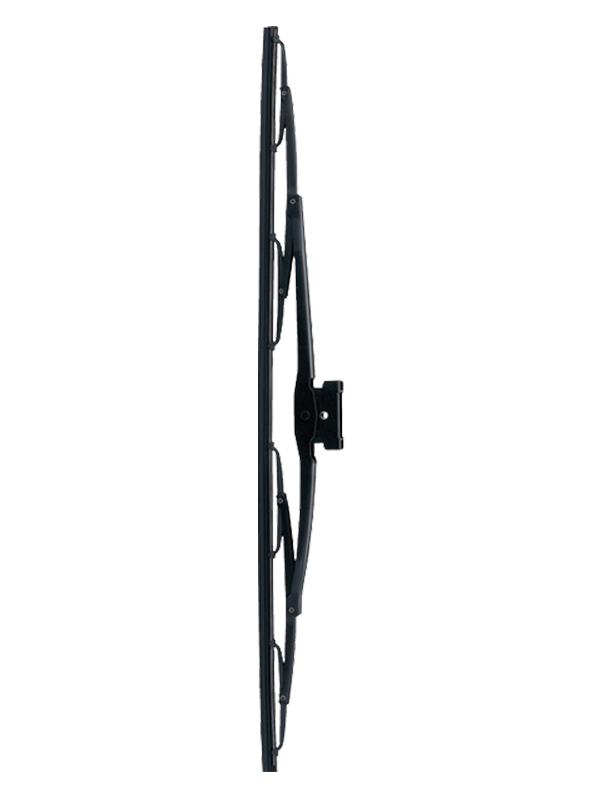
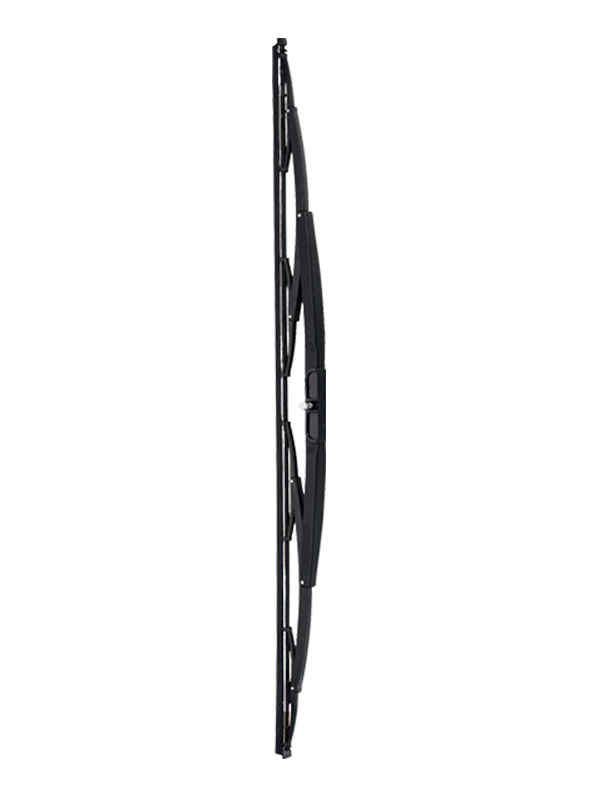
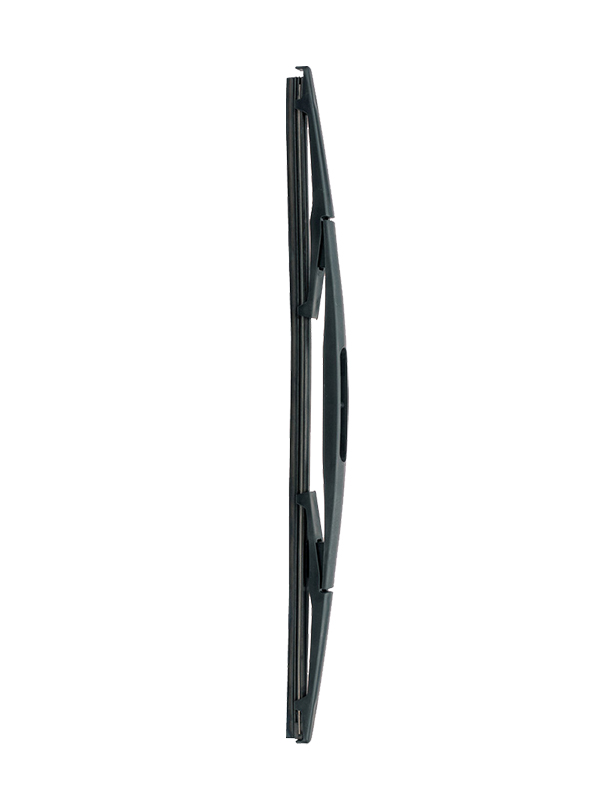
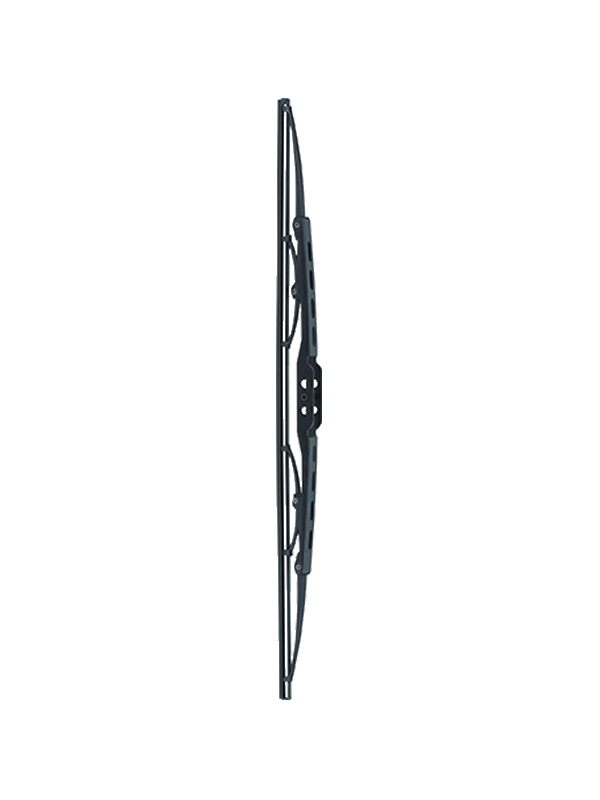
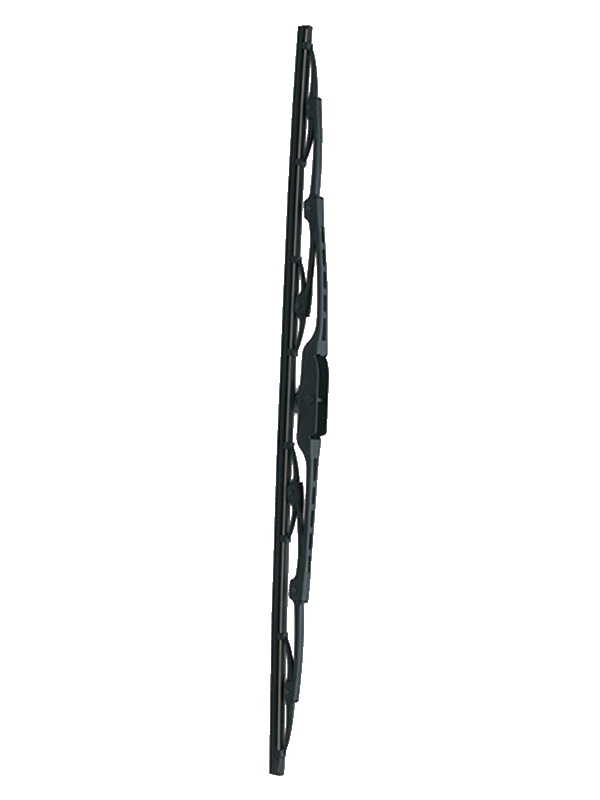
A classic wiper is a blade built around an exposed metal frame that holds a rubber wiping element against the glass. The frame distributes spring pressure along the length of the blade, and the rubber does the actual work of clearing water, dust, and debris. Because the frame is visible, this design is often described as a conventional or traditional blade, and it remains the reference point against which newer frameless designs are measured.
Core Components of the Assembly
- A spring-steel or stainless-steel frame that carries pressure from the arm to every section of the blade.
- A rubber wiping element, usually natural rubber, that contacts the glass and determines wiping quality.
- An adapter or connector that matches the hook or pin on the wiper arm.
- Pivot and clip components that determine how the blade attaches and how securely it stays in place.
How Pressure Distribution Affects Performance
Wiping quality depends heavily on contact pressure. A frame that applies pressure evenly keeps the rubber edge in uniform contact with the curvature of the windshield. When pressure varies along the blade, some sections lift away from the glass and leave streaks, while others press too hard and wear quickly. Quality checks for this type of product typically measure pressure at several points along the blade, because small variations in the frame can translate into visible differences in wiping behavior at highway speed.
Wind lift is another factor. At higher speeds, air flowing over the windshield can push the blade away from the glass. Classic designs handle this through the stiffness and shape of the frame, and buyers should look for blades whose frames are consistent from one piece to the next, since batch-to-batch variation shows up as inconsistent performance across a fleet.
| Feature | Classic wiper | Buyer takeaway |
|---|---|---|
| Visible frame | Yes | Simpler structure that is easy to inspect and service |
| Fitment range | Broad across legacy arms | Adapter variety matters more than the blade itself |
| Wind lift at speed | Managed by frame stiffness | Frame consistency is a key inspection point |
| Replacement stocking | Large catalog of sizes | Fitment families reduce warehouse complexity |
Where Classic Wipers Still Perform Best
Classic wipers are not a niche product. They serve several distinct vehicle groups, and each group places different demands on the blade. Understanding these demands helps a buyer decide which specifications and which quality checks matter most for a given order.
Passenger Vehicles with Legacy Arms
Many older passenger cars use wiper arms designed decades ago, and these arms often require specific hook types and blade lengths. For this segment, the most important buyer concern is fitment coverage. A catalog that covers common lengths and adapter types reduces the number of part numbers a distributor must carry, and that reduction directly lowers inventory cost and the risk of ordering the wrong item.
Buses and Coaches
Buses place higher demands on the blade. The windshield is larger, the driver often relies on the wiper for continuous visibility during long routes, and the blade must hold pressure across a wider span. Saddle-type designs are common in this segment because they connect to the arm in a way that suits heavier loads. For bus operators, a failed blade is not just an inconvenience; it can mean a route delay or a safety concern, so reliability in this segment carries a premium.
Light and Heavy Trucks
Trucks and construction vehicles operate in harsh conditions, including dust, mud, and prolonged exposure to sunlight. Blades for these vehicles need rubber that resists hardening and cracking, along with frames that resist corrosion from road salt and washing chemicals. Fleet managers in this segment often judge products by service interval rather than by initial price, because each replacement interrupts operations.
Illustrative distribution only. Actual shares vary by region, fleet age, and regulation.
Materials and Surface Engineering Behind Durability
Once the frame and fitment are settled, the rubber element and its surface treatment decide how long a blade keeps working. Two blades of identical size can perform very differently after a few months, and the difference usually traces back to compound formulation, molding precision, and the surface finish applied to the wiping edge.
Natural Rubber Formulation
Natural rubber is widely used in classic wiper elements because it offers good flexibility and recovery at a range of temperatures. The compound must balance softness, which helps the blade follow the glass, with hardness, which resists wear. Buyers should ask how consistent the compound is from batch to batch, since variation in the mix can cause one lot to chatter while another wipes cleanly.
Surface Treatments That Reduce Friction and Noise
Surface treatment is applied to the wiping edge to reduce friction, improve glide, and limit noise. Common approaches include lubricant coatings based on fluorine compounds, graphite-based layers that help the blade move smoothly on a dry start, and chemical surface modification steps that improve resistance to ozone and ultraviolet aging. Each approach has trade-offs in cost and in the stage of the process where it is applied, so buyers should ask which treatments are used and how long their effect is expected to last.
Surface treatment is often the difference between a blade that squeaks after two weeks and one that stays quiet for a full service interval.
Steel Backing and Corrosion Control
The frame must resist rust, particularly on vehicles exposed to road salt, washing chemicals, and humid climates. Stainless-steel backing offers strong corrosion resistance, while carbon-steel frames with a protective finish can also perform well if the coating is applied consistently. A rusty frame can stain the glass, bind the pivot, and eventually reduce pressure at the edge, so corrosion control deserves as much attention as the rubber itself.
A Sourcing Checklist for Wholesale Buyers
Experienced buyers treat sourcing as a staged process rather than a single purchase decision. Each stage reduces a specific risk, and skipping a stage usually shifts the cost to returns or to customer complaints later on.
Criteria Worth Verifying Before Volume Orders
| Criterion | What to verify | Why it matters |
|---|---|---|
| Rubber consistency | Compound records and batch sampling | Prevents chatter and uneven wiping between lots |
| Frame steel | Material grade and coating method | Controls corrosion and long-term pressure |
| Fitment range | Adapter drawings and size list | Reduces wrong-item returns |
| Test records | Wiping and durability test reports | Gives evidence beyond sample appearance |
| Packaging | Protection and destination labeling | Limits transit damage and clearance delays |
| Lead time | Production schedule and shipping plan | Protects seasonal replenishment |
A Practical Request List
A well-organized inquiry speeds up the process and gives the manufacturer enough information to respond accurately. Buyers who send a complete request usually receive more useful quotes than those who ask only for a price.
- Share the target vehicle groups and the arm types you need to cover.
- Specify blade lengths, adapter styles, and any special frame requirements.
- Request a sample set and ask for the test reports that match those samples.
- Confirm the packaging standard, labeling language, and any barcode requirements.
- Ask for the expected production lead time and the shipping terms that apply.
Understanding OEM, ODM, and Custom Orders
Many wholesale buyers eventually want products that carry their own brand, packaging, or specification. Two arrangements cover most of these cases, and the difference between them affects both cost and development time.
OEM Versus ODM Arrangements
Under an OEM arrangement, the buyer supplies the design or specification, and the manufacturer produces the product to that standard. Under an ODM arrangement, the manufacturer contributes engineering input and may adapt an existing platform to the buyer's requirements. OEM suits buyers with established technical drawings, while ODM can shorten development for buyers who want a differentiated product without building engineering capacity in-house.
Customization Options Commonly Requested
- Rubber edge profile and surface treatment selected for a specific climate.
- Frame finish and adapter configuration matched to a regional fleet.
- Custom packaging, printed instructions, and customer-specific labeling.
- Fitment cards and catalog artwork prepared for distributor sales teams.
Planning Minimum Order Quantities and Lead Times
Minimum order quantity depends on how much tooling and setup a product requires. Standard catalog items usually carry lower thresholds because the production lines are already configured, while custom profiles and packaging often require higher volumes to justify setup. Lead time follows the same logic: sample approval, tooling, pilot production, and bulk manufacturing each take a defined window, and delays at one stage tend to move the entire schedule.
| Stage | Main focus | Planning note |
|---|---|---|
| Sample approval | Fit and wiping check | Test on real arms before signing off |
| Tooling and setup | Custom profiles and labels | Often the longest single stage for custom work |
| Pilot batch | Process confirmation | Useful for catching packaging or labeling errors |
| Bulk production | Volume output | Schedule around the seasonal demand peak |
| Shipping | Transit and clearance | Allow buffer time for documentation checks |
Common Pitfalls and How to Avoid Them
Most sourcing problems in this category are predictable. They appear when buyers focus on the unit price alone, skip sample testing, or assume that two blades with similar appearance will behave the same way on a vehicle.
The Low-Price Trap
A lower unit price looks attractive on a purchase order, but the true cost of a blade includes labor for replacement, transport for returns, and the reputational damage of customer complaints. If a cheaper blade fails well before its expected service interval, the savings on the purchase price can disappear quickly. Buyers should compare total cost over the expected service life rather than the invoice price alone.
Fitment Confusion
Fitment errors are among the most common causes of returns. Two blades of the same length may use different adapters, and an adapter that looks similar can fail to lock onto the arm. A clear fitment chart, supported by physical samples, prevents most of these problems. Distributors should also train counter staff to confirm the arm type before selling.
- Uneven frame pressure: causes streaks and skipping, often visible only at highway speed.
- Inconsistent rubber batches: create noticeable differences across a single fleet order.
- Weak corrosion protection: leads to stained glass and stiff pivots within a few seasons.
- Unclear labeling: slows customs clearance and frustrates end users in the destination market.
Certifications and Export Documentation
Certification is not a formality for importers. Retail chains, fleet operators, and public tenders often require documentation before they accept a product, and missing paperwork can hold a shipment at the port for weeks. Buyers should request documents early in the sourcing process rather than after the production run is complete.
A certified management system confirms that production steps are documented and repeatable.
Compliance declarations show that materials meet destination market limits.
Test reports, origin certificates, and labeling files support clearance at the destination.
- Quality management system certification for consistent manufacturing output.
- CE marking documentation for European market requirements where applicable.
- RoHS compliance declarations for restricted substances in materials.
- Certificates of origin, packing lists, and commercial invoices for customs clearance.
Building a Long-Term Replacement Program
A classic wiper business rewards planning. Because demand comes from the installed base of older vehicles, distributors who organize their range around fitment families and service intervals can forecast repeat orders with reasonable accuracy and avoid both stockouts and overstock.
Organizing Inventory by Fitment Family
Rather than stocking every size as an independent item, many distributors group products into fitment families that share adapters or frame geometry. This approach reduces the number of unique stock-keeping units, simplifies counter sales, and makes it easier to substitute items during shortages. A well-structured family list also helps sales staff recommend the right product quickly, which improves customer satisfaction.
Forecasting With Service Intervals
Replacement demand follows service intervals. Blades on heavily used vehicles, such as buses and trucks, are replaced more often than those on passenger cars used for light commuting. Distributors who track the age and usage pattern of their key accounts can plan replenishment before the seasonal peak arrives, rather than reacting to emergency orders.
- Map the fitment families that cover most of your sales volume.
- Estimate replacement frequency for each vehicle group based on local usage.
- Set reorder points that account for production lead time and shipping time.
- Review the mix every season and adjust for changes in regional vehicle populations.
Key Takeaways for Buyers
The classic wiper category rewards buyers who look beyond the unit price. The product is simple in concept, but its performance depends on frame consistency, rubber quality, surface treatment, corrosion control, and accurate fitment. Each of these factors can be verified before a large order is placed.
- Start with fitment coverage, because a blade that does not match the arm creates returns regardless of quality.
- Ask for test records and sample units, and compare consistency across more than one batch.
- Plan OEM or custom work with realistic tooling and lead time, especially for seasonal demand.
- Confirm certifications and export documents early to avoid delays at the destination port.
A sensible next step for most buyers is to review the wiper product range, shortlist the families that match their vehicle mix, and request samples for side-by-side evaluation before committing to bulk volume.
Frequently Asked Questions About Classic Wipers
Q1: What is the difference between a classic wiper and a frameless wiper?
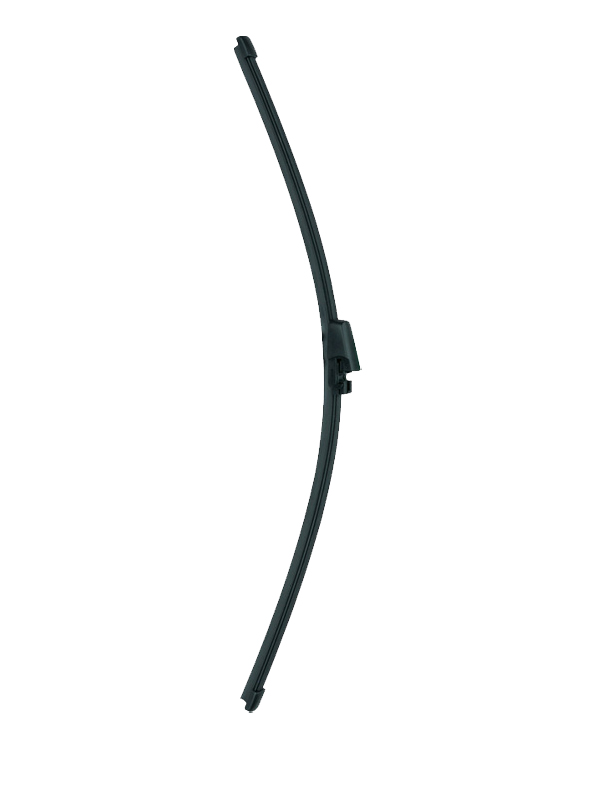
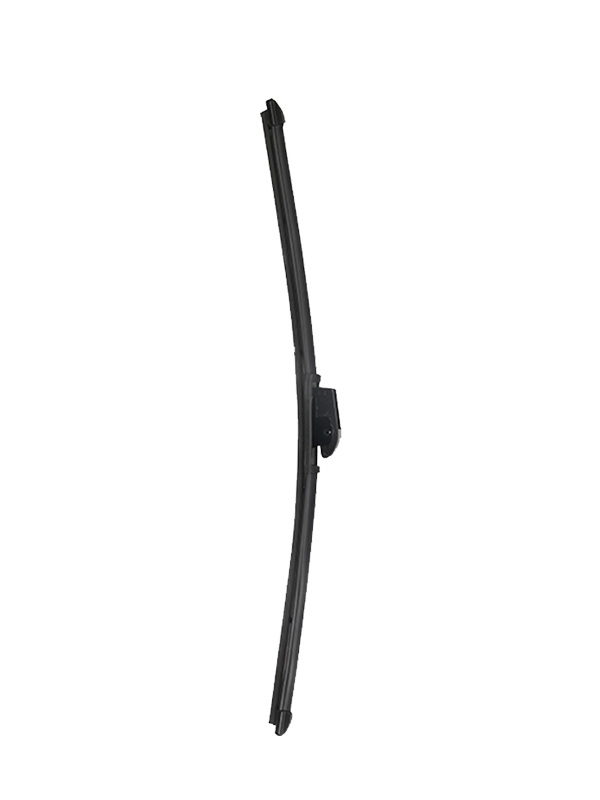
A classic wiper uses an exposed metal frame to distribute pressure along the blade, while a frameless wiper uses a flexible spoiler-style body to achieve the same goal. Classic designs are simpler to inspect and service and fit a broad range of legacy arms, which makes them a strong choice for aftermarket replacement programs.
Q2: Can classic wiper blades be produced under OEM arrangements?
Yes. Buyers can supply their own drawings, specifications, and packaging requirements, and manufacturers can produce the blades to that standard. Custom rubber profiles and printed packaging usually require a longer lead time and a higher minimum quantity than standard catalog items.
Q3: What information should a buyer prepare before requesting a quote?
A complete inquiry includes target vehicle groups, blade lengths, adapter types, expected annual volume, packaging requirements, and the destination market. Reviewing the wiper product range beforehand helps narrow the fitment list and makes the quotation process faster and more accurate.
Q4: Are classic wipers suitable for buses and heavy-duty trucks?
They are widely used in both segments. Buses benefit from frames that hold pressure across a wide windshield, while trucks benefit from rubber compounds and corrosion protection that handle dust, road salt, and prolonged sun exposure. Buyers should confirm the blade specification against the actual arm type on the vehicle.
Q5: Which certifications should a wholesale buyer ask for?
Common requests include a quality management system certificate, CE documentation for European markets, RoHS declarations for restricted substances, test reports, and export paperwork such as certificates of origin. The required set depends on the destination market and on the channel, such as retail, fleet, or public tender.
Q6: How often should a fleet replace classic wiper blades?
Replacement frequency depends on usage, climate, and the condition of the rubber. Many fleets replace blades at regular service intervals, often more frequently on buses and trucks than on light passenger vehicles. Visible streaking, chatter, or cracked rubber are practical signs that a blade should be changed regardless of the calendar.

China's famous universal wiper blade manufacturer and customized wiper blade supplier.
share
contact information
Tel: +86-574-86572688
Fax: +86-574-86572685
Email: sales@aiduo-wiper.com
Add: Mechanical and Electrical Industrial Park, Luotuo Town, Zhenhai District, Ningbo City, Zhejiang Province, China.

