

 English
 中文简体


Submit feedback
What Makes a Quality Rear Wiper? Materials, Testing, and Custom ODM Options

Why the Rear Wiper Matters More Than Most Buyers Think
A rear wiper keeps the rear window clear for passenger cars, buses, coaches, trains, and marine vessels. When it fails, drivers lose visibility, the blade chatters across the glass, and the rubber tears within months. For importers, wholesalers, and fleet buyers, the real cost is not the blade itself but the warranty claims, returns, and damaged reputation that follow a poor product.
This guide walks through the decisions that matter most when sourcing rear wiper blades: material selection, backing structure, performance testing, custom manufacturing options, and the questions to ask a supplier before placing a bulk order.
Core Functions and Application Scenarios
What a Rear Wiper Must Do Every Day
The rear wiper operates in a harsher environment than the front wiper. It sits on a curved, often steeply angled glass surface, receives less airflow for cleaning, and is frequently exposed to road spray, mud, and dust from the vehicle ahead. A reliable blade must clear water, grime, and light snow in a single stroke while producing little noise.
Application Matrix by Vehicle Type
| Vehicle Type | Typical Blade Length | Recommended Backing | Key Priority |
|---|---|---|---|
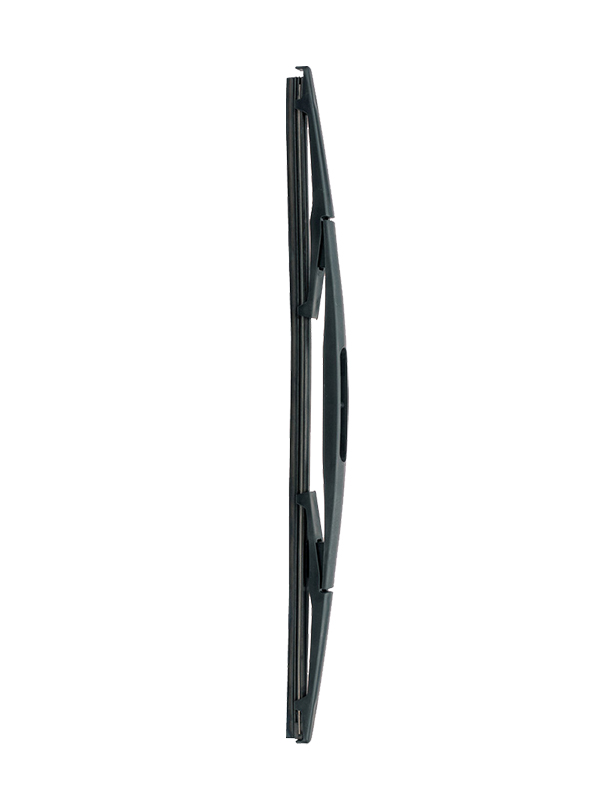
| Passenger car | 10 to 14 inch | Spring steel | Quiet operation |
| Coach and bus | 20 to 32 inch | Stainless steel | Corrosion resistance |
| Train and truck | Custom length | Stainless steel | Durability under heavy use |
| Marine vessel | Custom length | Stainless steel | Salt spray resistance |
Natural Rubber Frameless Design and Material Advantages
Why Natural Rubber Performs Well on Rear Glass
Natural rubber offers high elasticity and good tear resistance, which helps the wiping edge conform to curved glass without skipping. Manufacturers often apply surface treatments such as fluorine-based lubricants, graphite coatings, or halogenation to reduce friction and extend the working life of the edge.
- Elasticity keeps the edge in contact with the glass across a wide temperature range.
- Tear resistance prevents small nicks from growing into full splits.
- Surface coatings reduce chatter and improve clarity on the first stroke.
Frameless Structure and Backing Options
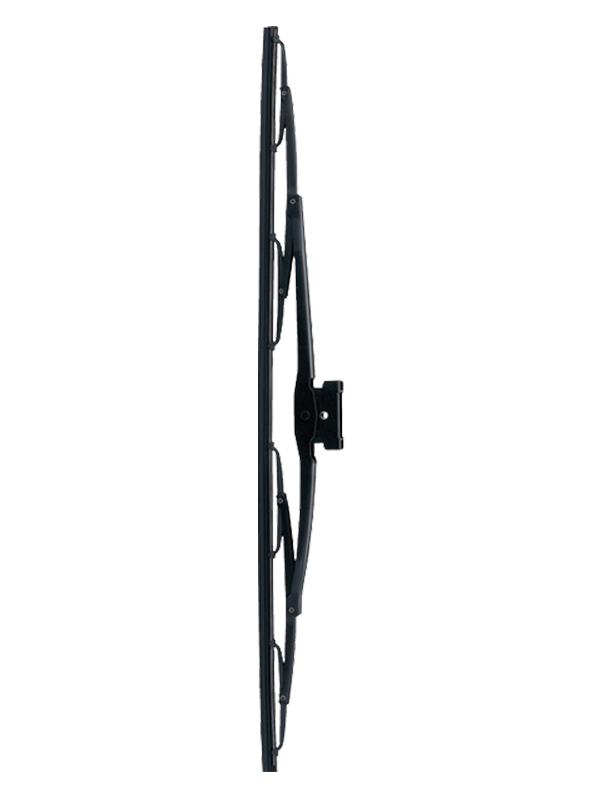
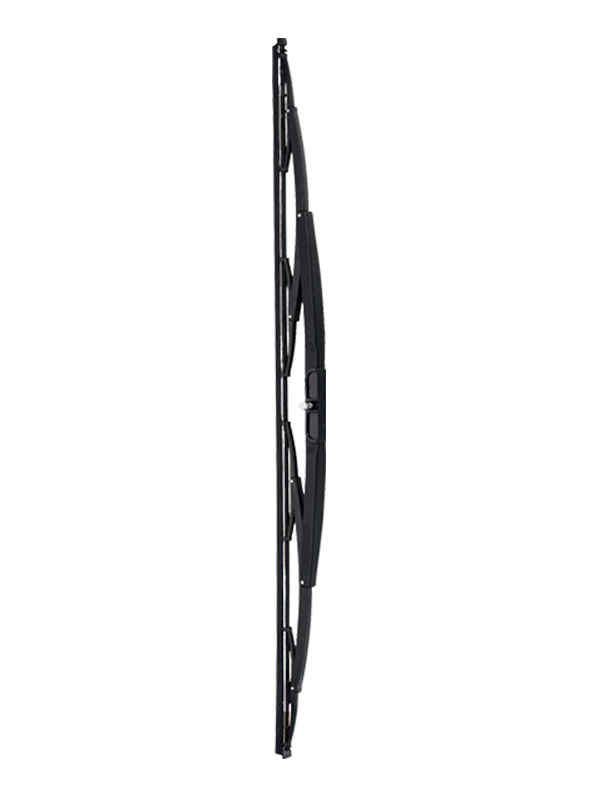
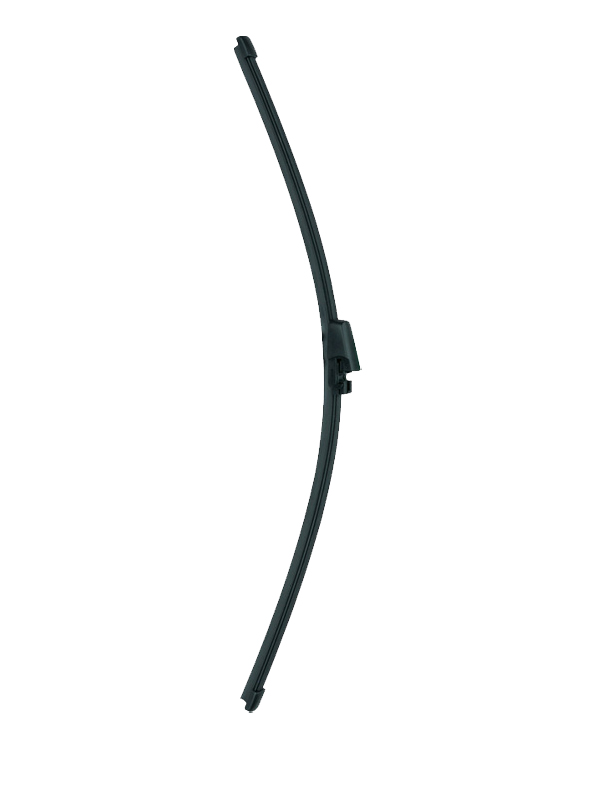
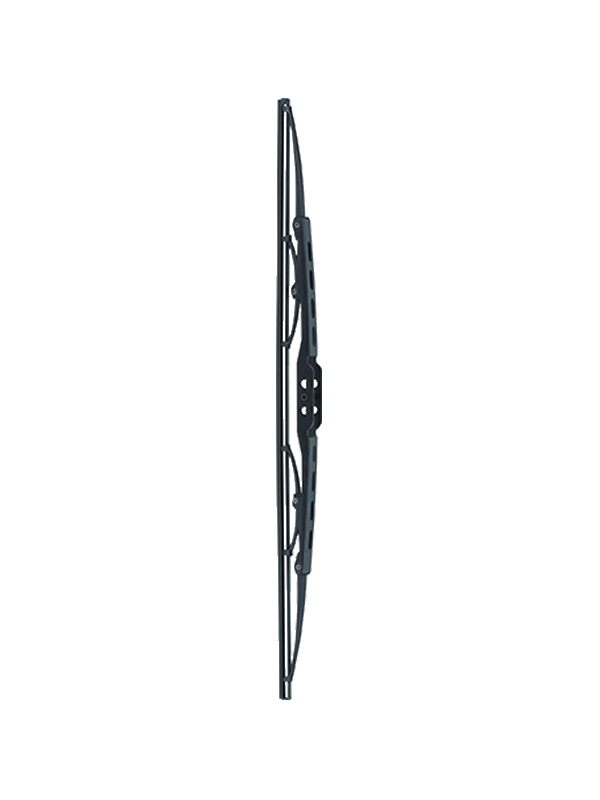
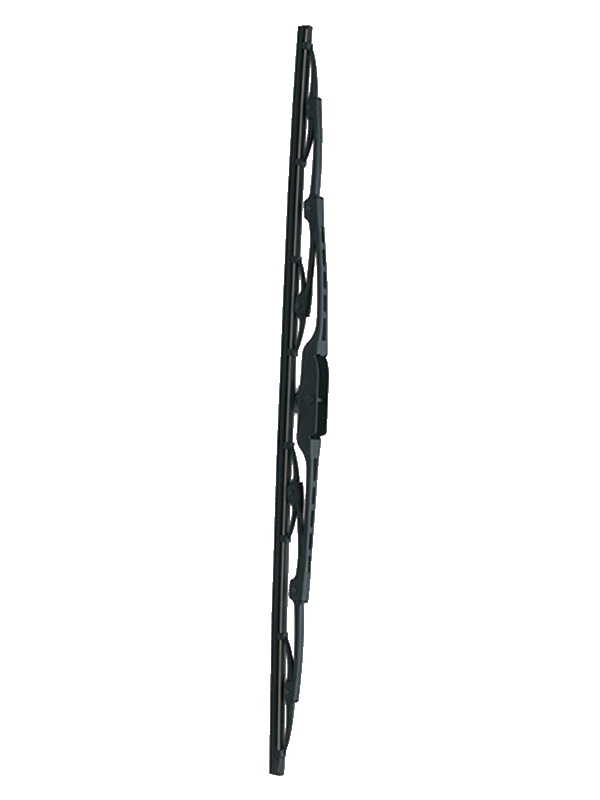
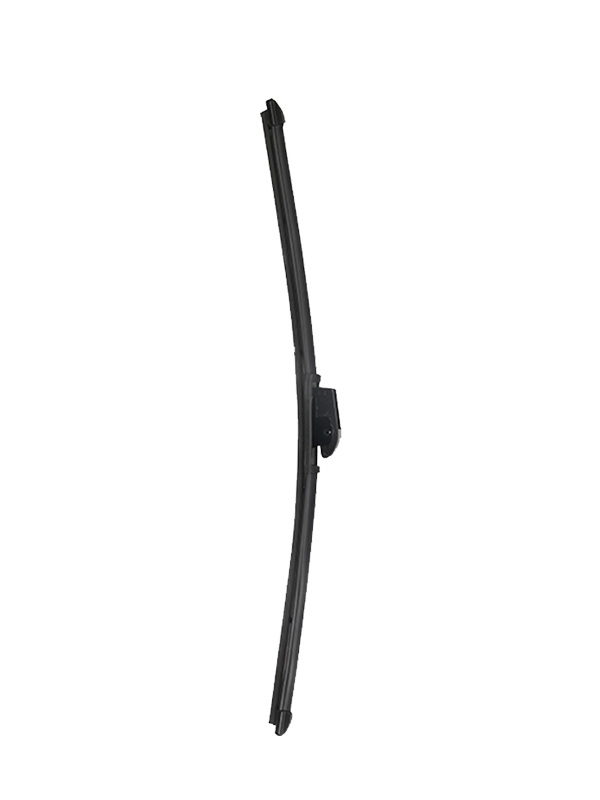
A frameless rear wiper uses a flexible backing strip instead of a rigid metal frame. This reduces weight, lowers wind lift at highway speed, and adapts well to curved rear windows. Spring steel backing suits passenger cars, while stainless steel backing is preferred for heavy-duty use on buses, trains, and ships where humidity and salt exposure are constant.
Saddle-Type Structure for Secure Fit
Saddle-type adapters seat the blade arm on a central saddle, distributing pressure evenly along the length. This design suits a wide range of rear arm connectors and is common in 32 inch and 800 mm applications. Blade widths of 21, 23, 25, and 27 mm are typical, and the correct width should match the arm's clip specification rather than the blade's visual size.
Performance Tests That Separate Qualified Blades from Low-Grade Ones
Buyers should request documented test results rather than relying on appearance. The table below summarizes the four checks most often used in quality programs for rear wiper blades.
| Test | Purpose | Typical Pass Condition |
|---|---|---|
| Initial wiping | Clean first-stroke performance | No streaks or smears |
| Durability cycling | Long-term wear resistance | 500,000 cycles with stable clearing |
| Salt spray | Corrosion of metal parts | 126 hours without rust that affects function |
| Ozone aging | Rubber cracking under ozone | 72 hours with no visible cracks |
Initial Wiping Performance
Initial wiping checks whether the blade clears water in a single pass on a clean and a contaminated surface. A quality blade leaves no film or arc of unwiped water, even at the lowest speed setting.
Durability Under Repeated Cycling
Durability testing runs the blade through hundreds of thousands of strokes under controlled pressure. A typical benchmark is 500,000 cycles, which approximates several years of normal use on a passenger car and a shorter period on a high-mileage bus.
Salt Spray and Ozone Resistance
Salt spray exposure reveals corrosion risks in the backing and clips, while ozone aging shows whether the rubber will crack when exposed to atmospheric ozone. These two checks are especially important for buyers shipping to coastal or high-pollution markets.
Custom and ODM Manufacturing for Wholesale Buyers
Common Customization Options
- Width and length adjustment, from 21 to 27 mm width and multiple inch lengths including 32 inch (800 mm).
- Rubber surface treatment, such as fluorine lubrication, graphite coating, or halogenation.
- Logo printing and custom packaging for private-label programs.
- OEM and ODM solutions for special vehicles including buses, trains, and ships.
Evaluating a Custom Rear Wiper Supplier
| Evaluation Point | What to Verify |
|---|---|
| Quality system | ISO 9001 and automotive quality certification |
| Production capacity | Annual output and lead time for bulk orders |
| Development support | Sample turnaround and engineering feedback |
| Export experience | Packaging, labeling, and documentation for overseas shipment |
Frequently Asked Questions
Q1: What is a rear wiper used for?
A rear wiper clears rain, mud, and snow from the rear window so drivers can see behind the vehicle. It is essential on passenger cars, buses, coaches, trains, and marine applications where rear visibility affects safety.
Q2: What material makes the best rear wiper blade?
Natural rubber is widely used for its elasticity and tear resistance. The best choice also depends on the backing, with spring steel suited to passenger cars and stainless steel better for heavy-duty and corrosive environments.
Q3: What test standards should a rear wiper meet?
Buyers commonly reference SAE J903 C for blade performance and SAE J2334 for test methods. Requesting documented results for initial wiping, durability, salt spray, and ozone aging gives a clear picture of quality.
Q4: Do manufacturers offer custom rear wiper blades?
Many factories offer customization in width, length, rubber treatment, packaging, and branding. ODM support is especially useful for buyers who need a blade tailored to a specific vehicle or fleet program.
Q5: What affects the minimum order quantity for wholesale rear wipers?
The MOQ usually depends on whether the blade is a standard size or a custom design. Standard sizes typically allow lower quantities, while custom tooling and packaging often require higher volumes to justify setup.
Q6: Can rear wipers be supplied for bus, train, and ship applications?
Yes, heavy-duty versions with stainless steel backing and enhanced corrosion protection are commonly produced for these sectors. Confirm the length, clip type, and test requirements before finalizing the specification.
Conclusion: Choosing the Right Rear Wiper for Your Program
A dependable rear wiper comes down to three things: a well-chosen natural rubber compound, a backing structure matched to the vehicle class, and documented test results that back up the claims. Buyers who verify these points before ordering avoid most of the warranty and return problems that come with low-grade blades.
If you are planning a wholesale program or need a custom ODM rear wiper solution, you can review the rear wiper specification details and send your requirements for a quotation and sample arrangement.

China's famous universal wiper blade manufacturer and customized wiper blade supplier.
share
contact information
Tel: +86-574-86572688
Fax: +86-574-86572685
Email: sales@aiduo-wiper.com
Add: Mechanical and Electrical Industrial Park, Luotuo Town, Zhenhai District, Ningbo City, Zhejiang Province, China.

