

 English
  中文简体
中文简体 

Submit feedback
What Makes a Car Trunk Fixed Baffle Worth Specifying for Cargo Control

Why Loose Cargo Turns a Trunk into a Hazard
Anyone who has braked hard with a bag of groceries in the boot knows how quickly a calm load becomes a mess. Items that seemed secure on a short drive slide forward, tip over, and wedge themselves under the seat. The problem is not only inconvenience. A loose object keeps moving at the speed the vehicle was traveling until something stops it, and that something is often the rear seatback or a passenger's legs.
Fleet managers, delivery drivers, and vehicle accessory distributors deal with this issue every day. Their concerns go beyond a tidy trunk. They want cargo that stays where it was placed, protected packaging, and a simple accessory that works across many vehicle models without custom fitting.
How cargo moves under braking and cornering
Cargo behaves differently depending on its weight, shape, and surface. A heavy round container tends to roll, a light bag tends to slide and collapse, and a tall bottle tends to tip over. Each motion creates a different failure mode, which is why a single storage solution rarely covers everything.
- Glass jars and bottles can crack, leak, and stain the carpet liner.
- Loose tools roll toward the rear seats and create impact hazards during sudden stops.
- Grocery bags shift, crush produce, and spread liquids across the floor.
| Cargo type | Typical movement | Control method |
|---|---|---|
| Grocery bags | Slide and collapse | Rigid front barrier |
| Bottles and jars | Tip and roll | Divider with anti-slip base |
| Tools and hardware | Roll forward | Fixed partition plus strap |
| Small accessories | Scatter across the floor | Compartment or organizer |
Where a fixed divider fits in
A fixed divider is not a general storage box. It is a rigid barrier placed at a defined point in the cargo space. It gives the load a stable reference surface, so objects are stopped before they travel far. When the barrier is light, it can be repositioned easily. When its base grips a carpet liner, it resists the small shifts that occur during normal driving, which is where most daily frustration comes from.
What a Car Trunk Fixed Baffle Actually Is
A car trunk fixed baffle is a low, rigid partition that sits on the floor of a vehicle's rear cargo area. Its job is to hold a group of items in place by providing a firm wall that cargo can rest against. Most designs are molded from plastic, have a flat base with a grip surface, and include a way to secure lightweight items to the floor.
Core structure and how the parts work
The typical profile is L-shaped or a shallow upright plate on a wider foot. The upright section provides the barrier, while the foot spreads the load across the floor so the unit does not rock. The base is commonly covered with an anti-slip material, and in many cases a hook-and-loop strip helps it grip a carpet liner. An adjustable strap can then hold bottles or small bags against the wall.
How it differs from a general trunk organizer
- Footprint: a baffle uses floor space along one edge, leaving most of the trunk open for larger items.
- Flexibility: several units can be placed side by side to create separate cargo zones.
- Compatibility: a baffle can work alongside a folding organizer, cargo net, or floor tray.
Organizers usually enclose items, which is useful for small accessories but awkward for bulky or irregular loads. A baffle does the opposite. It leaves access open and simply stops the load from migrating, which makes it popular with drivers who load and unload several times a day.
Design Features That Matter in Practice
Height and base depth
Height determines how much cargo the barrier can hold back. A low barrier stops bags from sliding but does not contain bottles. A taller one covers more items but needs a wider base to stay upright under load. For most household cargo, a barrier that rises a few centimeters above the typical item height is sufficient. Base depth should be sized so the unit does not tip when the cargo presses against it on a corner.
Material behavior across conditions
Material choice affects impact resistance, stiffness in cold weather, and how the surface looks after months of use. The comparison below summarizes the typical behavior of three common plastics used for trunk accessories.
| Property | ABS | PP | PVC |
|---|---|---|---|
| Impact resistance | High | Good, flexible | Moderate |
| Stiffness | High | Moderate | Moderate to high |
| Cold weather | Holds shape well | Stays flexible | May become brittle |
| Surface finish | Smooth, easy to print | Slightly waxy feel | Smooth, may yellow over time |
For a unit that must stay rigid through temperature swings and occasional knocks from heavy boxes, ABS is a practical choice because it balances stiffness and toughness. Surface finish also matters for buyers who plan to print packaging or apply branding later.
Anti-slip base and fastening
A grip surface matters more than the size of the pad. Rubber-like compounds resist sliding on carpet fibers, while hook-and-loop strips add a second layer of retention. Adjustable straps are useful for light items such as bottles, but they should not be relied on to hold heavy objects during an emergency stop. Think of the strap as a way to limit small movements, not as a restraint system.
Sizing and Fit for Carpet-Lined Boots
Carpet-lined trunks vary widely in shape. Floor depth may be reduced by a spare wheel well, the angle of the rear seatback, or a built-in cover. Before recommending a size to a customer, measure four points: usable floor width at the narrowest spot, depth from the seatback to the trunk lip, height clearance under the parcel shelf, and the width of any recess that could hold the unit.
- Measure the flat floor width at the narrowest point.
- Measure depth from the seatback to the trunk opening.
- Check height clearance under the parcel shelf or cover.
- Note the carpet thickness, because it changes how the base pad contacts the floor.
Two sizes usually cover most buyer needs. A compact unit fits narrow sedan trunks and hatchbacks, while a longer unit suits estates and wagons where cargo tends to be wider and heavier.
| Trunk layout | Common cargo | Suggested unit mix |
|---|---|---|
| Compact hatchback | Bags and bottles | One compact unit |
| Sedan with flat floor | Mixed groceries | Compact and long units side by side |
| Estate or SUV | Bulky boxes and tools | Long unit plus cargo net |
Installation and Anti-Slip Testing Steps
Correct installation takes only a few minutes, but it decides whether the barrier performs as intended. The sequence below is simple enough to repeat for every vehicle and easy to explain to end customers.
- Clean the liner with a dry brush to remove grit that reduces grip.
- Position the baffle against the intended cargo edge and confirm it does not block the seat release, tailgate, or cover.
- Press the base firmly for about 30 seconds so the pad settles into the carpet fibers.
- Load a test item, drive a short distance at low speed in a safe area, and brake gently to check for movement.
- Adjust the strap length if the item shifts, then recheck the base before regular use.
Repeat the test after the first few days of use. Carpet can compress and temperature changes can affect adhesion, so a quick check helps confirm that the initial fit has held.
Buyer Checklist for Wholesale and Private Label Orders
Importers and distributors evaluate a barrier as a product line rather than a single item. The checklist below keeps specifications consistent from the sample stage through repeat shipments, and it helps avoid disputes over size or finish.
- Confirm the target vehicle types and whether their trunks use carpet liners.
- Request dimensional drawings with stated tolerance ranges.
- Ask for material information and a physical sample for grip testing.
- Confirm the minimum order quantity for each size and any tiered pricing.
- Review packaging options, including printed color boxes and carton dimensions for container loading.
- Get sample lead time and production lead time in writing before committing to a launch date.
Customization scope
- Dimensions adjusted for specific trunk layouts.
- Surface color and texture options.
- Retail packaging with barcode and printed fitting instructions.
- Private label branding applied to packaging where that suits the sales channel.
Common Mistakes to Avoid
Most problems with trunk barriers come from a few predictable decisions. Avoiding them is less about buying expensive products and more about matching the design to the load and the vehicle.
- Choosing height by appearance alone and ignoring how bottles and jars tip.
- Assuming an adhesive base works equally well on bare plastic trunk floors as on carpet.
- Placing the barrier where it blocks the seat release, tailgate seal, or cover mechanism.
- Overloading straps, which can stretch or pull the unit out of position over time.
- Skipping a sample test before placing a bulk order.
Frequently Asked Questions
Q1: Will a car trunk fixed baffle grip a bare plastic floor?
Grip drops noticeably on smooth plastic, because the base pad depends on fiber texture for friction. If the vehicle has no liner, test the unit on the actual floor before recommending it for regular use.
Q2: Q2: How tall should the barrier be?
Choose a height a few centimeters above the typical item you carry most often. Taller barriers hold more cargo but need a wider base to remain stable under load.
Q3: Q3: Why does material matter for a trunk accessory?
Material determines how the unit handles impacts, cold temperatures, and long-term exposure to sunlight. ABS offers a practical balance of stiffness and toughness for rigid barriers used in changing conditions.
Q4: Q4: How do I decide between two sizes?
Measure the usable floor width and depth first, then match the compact unit to narrow spaces and the longer unit to wider or deeper cargo areas. Mixing both sizes often covers the widest range of vehicles.
Q5: Q5: Can packaging be customized for a retail program?
Yes, many suppliers can print color boxes with product images, barcodes, and fitting instructions. Confirm artwork requirements, minimum quantities, and proof approval steps before production begins.
Putting the Pieces Together
Securing cargo is a practical problem with a practical answer. Start with the loads you carry most often, measure the trunk at the height where items will sit, and choose a barrier whose height, base grip, and material suit that load. Buyers who follow this sequence tend to return fewer units and receive fewer complaints from end customers.
Product dimensions, material notes, and packaging details for a car boot shopping holder are listed on its product page, which makes side-by-side comparison with other options straightforward.
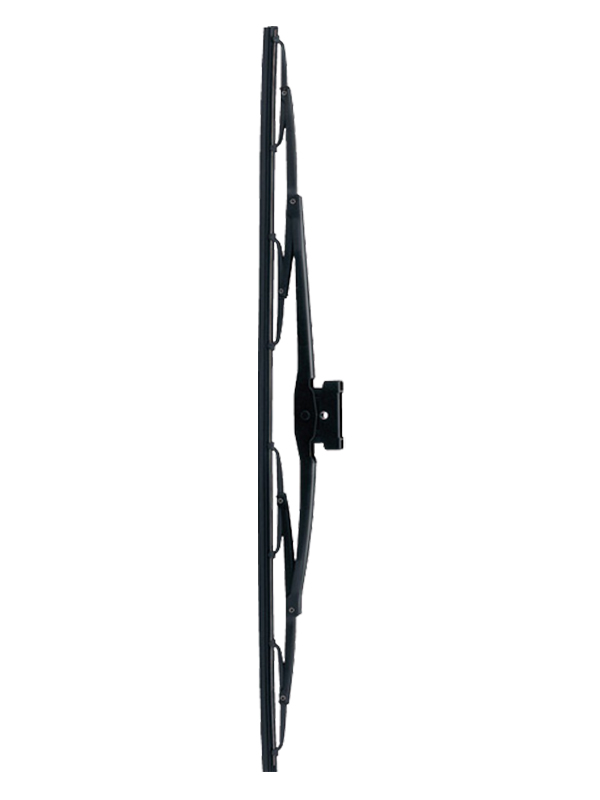
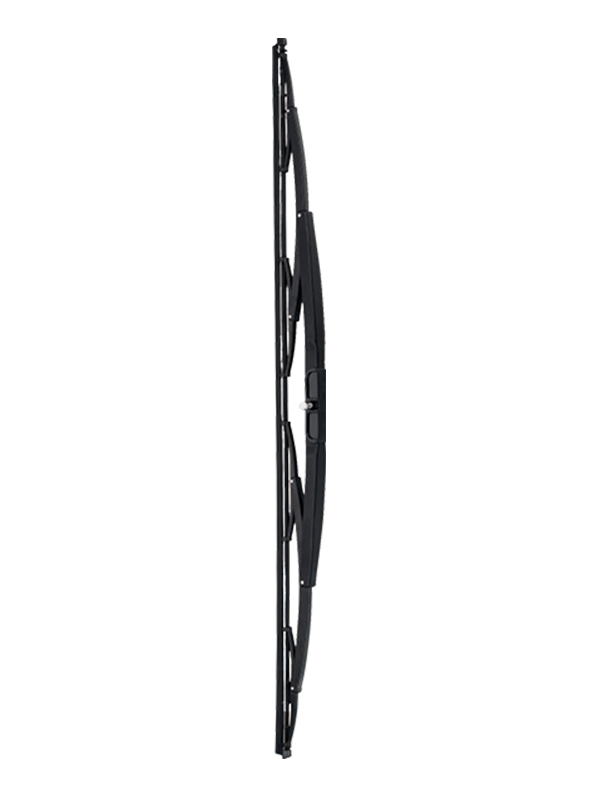
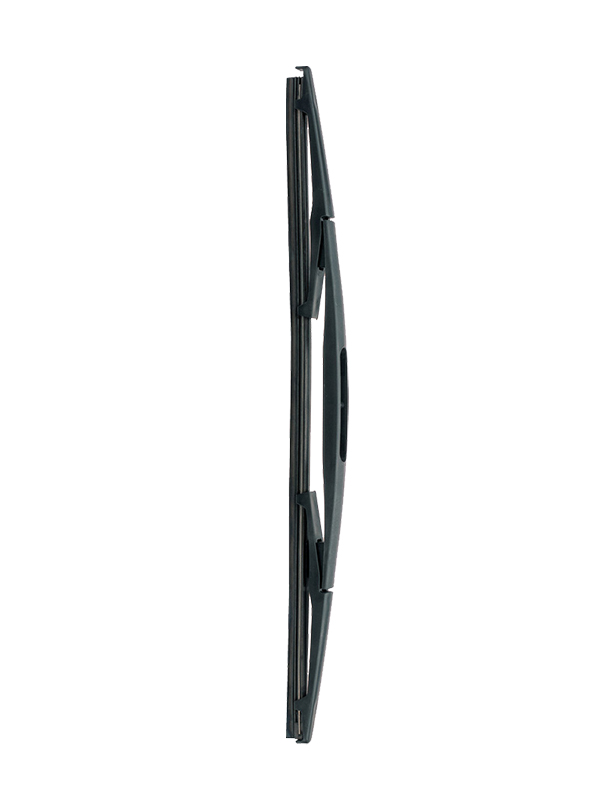
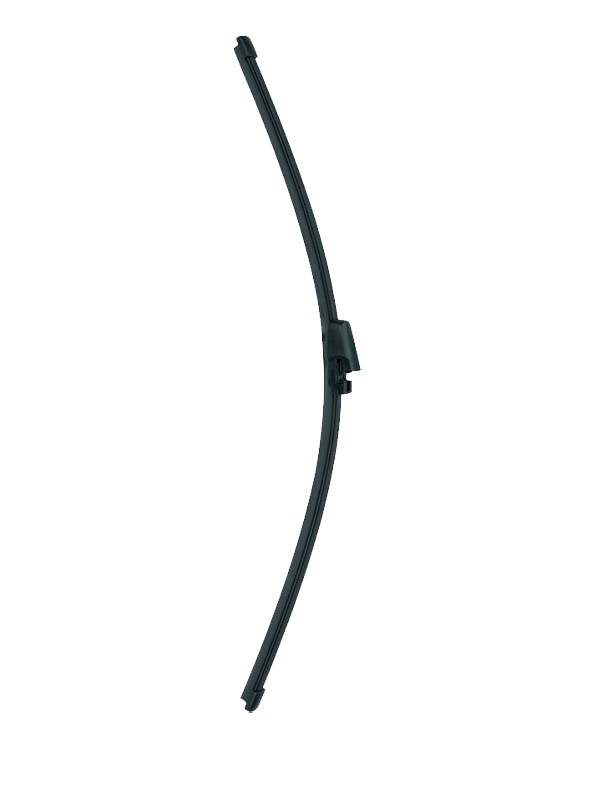

China's famous universal wiper blade manufacturer and customized wiper blade supplier.
share
contact information
Tel: +86-574-86572688
Fax: +86-574-86572685
Email: sales@aiduo-wiper.com
Add: Mechanical and Electrical Industrial Park, Luotuo Town, Zhenhai District, Ningbo City, Zhejiang Province, China.

