

 English
  中文简体
中文简体 

Submit feedback
What Size Wiper Blades Do I Need? How to Measure and Choose the Right Fit

Wiper blades are one of the few safety components where a single inch decides whether the job is done right. A blade that runs too long can jam against the cowl or the A-pillar, lift off the glass at speed, and overload the wiper motor. One that runs too short leaves an unwiped arc exactly where clear vision matters most. The question usually comes up at the parts counter or in front of a search box, where a buyer faces a wall of lengths and no obvious way to choose. The sections below show how to identify the correct specification for every position in a few minutes, verify it by hand, and avoid the sizing errors that produce streaking, chattering, and premature motor wear.
The Short Answer: How Wiper Blade Sizing Works
Wiper blades are specified by length. Some markets label sizes in inches and others in millimeters, and export packaging often prints both, so it helps to know the two scales side by side: a 24-inch blade and a 600 mm blade are two labels for the same part. Across the replacement industry, blades run from roughly 9 to 32 inches, or 250 to 813 mm, to cover everything from compact city cars to buses. Passenger vehicles cluster in a narrower band, with most front blades between 12 and 28 inches and the driver-side blade almost always the longest on the vehicle.
Three principles govern the sizing:
- Every position has its own size. The driver-side blade, the passenger-side blade, and the rear blade are each specified independently.
- The two front blades rarely match. On many vehicles the driver side runs 1 to 4 inches longer because it sweeps a wider arc across the primary sight zone.
- Length works only with the right connector. A correctly sized blade still fails in service if its adapter cannot lock onto the arm.
These ranges explain why no universal length exists. Designers fix the pivot points, the arm geometry, and the swept area first, and the blade length follows from that layout. Arm tension matters as well: a blade that matches the length but sits too light or too heavy on the glass wipes unevenly, so any replacement should stay within the specification the arm was designed around. Buyers should also stay in one unit of measure from the first measurement to the final order, because switching between inches and millimeters mid-purchase is one of the easiest ways to receive the wrong box.
Four Reliable Ways to Find Your Exact Blade Size
Any one of the four methods below produces a dependable answer, and when two of them agree, the size is confirmed.
Check the Owner's Manual
The manual lists the factory blade length for each position, usually in the maintenance or specifications chapter. It is the fastest method because it needs no tools, and it also flags vehicles that use different lengths front and rear. If the booklet has been lost, the same specification tables are generally available in the support area of the vehicle maker's website.
Measure the Blades Already on the Car
Measuring takes about five minutes and works even when service records are missing. Follow the same order on every vehicle:
- Park on level ground and lift each arm away from the glass.
- Measure the rubber squeegee from tip to tip with a tape.
- Record every position separately, in a single unit of measure.
- Repeat for the rear blade on models that carry one.
Work in millimeters when possible, because a 650 mm blade and a 630 mm blade sit close together on a shelf yet wipe very differently on the glass.
A worked example: two front blades of different lengths on one windshield.
Read the Size Printed on the Blade
Most blades carry their length molded into the spine or printed on the end cap, for example 26" or 650MM. Check the two front blades individually rather than assuming a matched pair. If the printing has worn away, the frame can still be measured tip to tip with a straightedge.
Match the Vehicle in a Fitment Guide
Parts catalogs and store lookup tools cross-reference blade sizes by make, model, and model year, which is the best route when the original blades are missing entirely. Confirm the trim level whenever a catalog shows a range, because equipment packages can change the arm style in the middle of a generation. Some guides also list the blade type the factory fitted, which prevents ordering a framed blade where the arm expects a flat one. Fleet operators with mixed yards often keep a fitment sheet for every chassis so replacements can be ordered in one pass.
Why Driver and Passenger Blades Have Different Lengths
Both front wipers are driven by one motor and a linkage, but the two arms do not do equal work. The driver-side blade must clear the widest and most critical part of the glass directly ahead of the driver, so it receives the longer blade and the wider arc. The passenger-side blade covers a smaller zone and is therefore shorter on most vehicles. Rear wipers are shorter still, because the rear window is smaller and uses a single compact pivot mounted low on the glass. Readers who want the full geometry can review the design logic behind front and rear wiper length differences in our industry notes.
Commercial vehicles stretch these rules further. A bus windshield can be wider than an entire passenger car, so coach and city-bus systems run blades of 700 mm and more, sometimes in tandem layouts, with reinforced backing that keeps a long blade seated on the glass at highway speed.
The table below summarizes the bands a buyer should expect by position.
| Position | Typical Length | Millimeters | Design Note |
|---|---|---|---|
| Driver side, front | 20-28 in. | 500-700 mm | Longest blade on the vehicle; clears the primary sight zone |
| Passenger side, front | 14-24 in. | 350-600 mm | Shorter sweep; a few models match the driver-side length |
| Rear window | 8-16 in. | 200-400 mm | Compact arm; sized per model for curved rear glass |
| Bus and coach | 28-32 in. and up | 700-813 mm | Extra-long blades, often with stiff steel backing |
Treat the figures as bands rather than absolutes. Two trim levels of one model can specify different passenger-side lengths, and hatchbacks, SUVs, and wagons often change the rear blade compared with a sedan body. Arm length, spring tension, and the parking angle are tuned together, which is why two vehicles with similar glass areas can still require different blades. Once a position-specific size is confirmed, treat it as fixed.
Match the Length With the Right Blade Type and Connector
The Connector Comes First
A blade locks to the arm through a standardized interface. The classic hook, commonly called a J-hook, dominates passenger cars, but pin, bayonet, side-lock, and top-lock interfaces are all still in service. Length and connector must be correct together: many aftermarket blades ship with a small set of adapters to cover common interfaces, while dedicated blades are built for one arm style and seat without any adapter at all. Adapters also add height between the arm and the blade, so a universal blade with a stacked adapter can sit slightly differently on the glass than the dedicated part it replaces.
Flat, Framed, and Hybrid Constructions
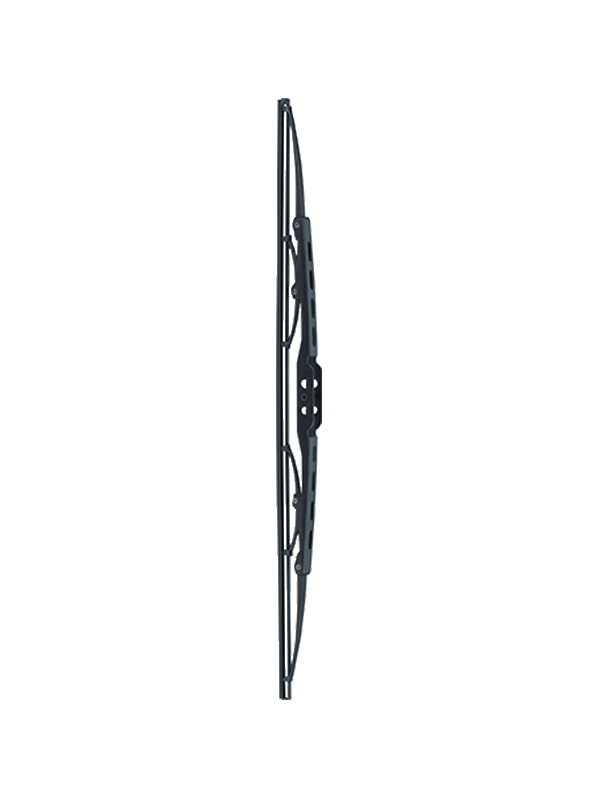
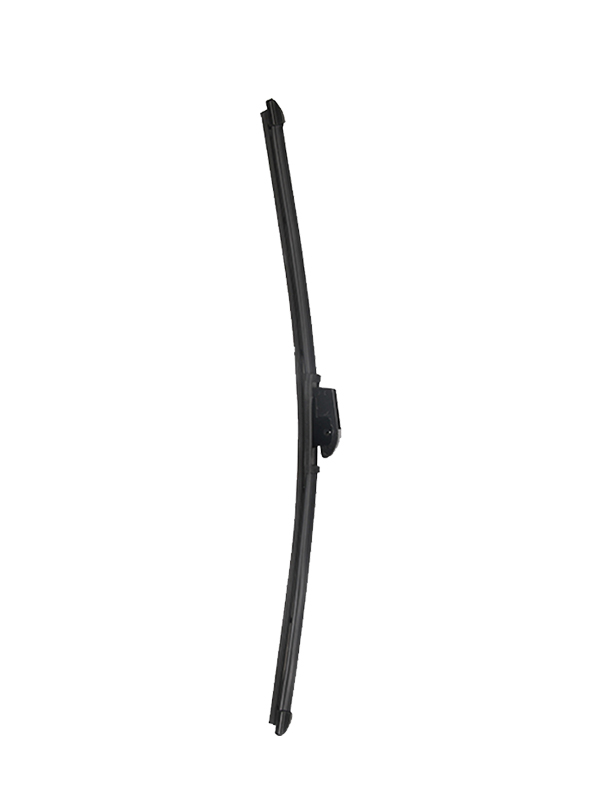
Once size and connector are fixed, construction determines how evenly the edge presses on the glass. Flat, boneless blades use a spring steel spine inside an aerodynamic shell, spread pressure along the full length, and suit the curved windshields of most modern cars. Framed blades built on a metal superstructure tolerate heat, dust, and heavy debris, which keeps them common on older vehicles and work fleets. Hybrid designs wrap an internal frame in a flat shell to combine both behaviors. For a modern sedan or hatchback, a flat boneless blade such as the AD709C series is the usual specification in the common front lengths.
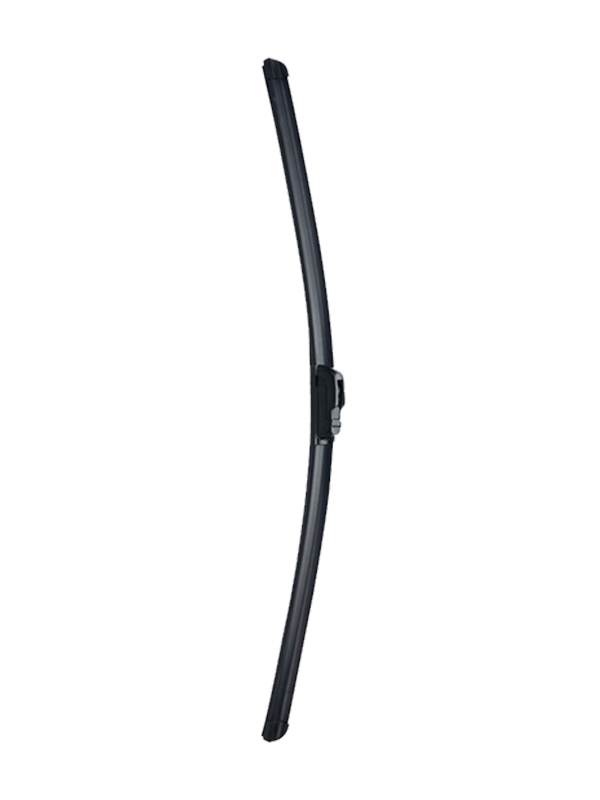 AD-709C Frameless Wiper Blade for Ford MondeoA flat boneless blade with natural rubber and a spring steel spine, made for modern curved windshields. After choosing the correct size and connector, this series shows how frameless construction spreads pressure evenly along the glass.View Product →
Whichever construction is selected, the printed length on the replacement packaging should match the measured or catalog size exactly. A 650 mm blade is not a substitute for a 630 mm specification, even though the two boxes look nearly identical on the shelf, because the extra length changes the sweep at both ends of the arc.
Special Applications: Rear Windows, Buses, and Custom Fitments
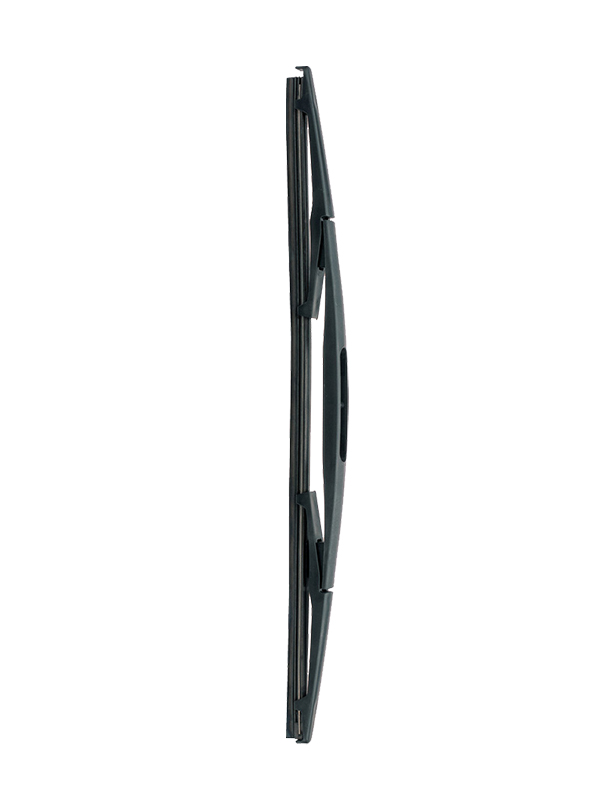
Rear blades deserve their own sizing discipline. The rear arm offers almost no adjustment, and an oversize blade strikes the spoiler or the tailgate trim while an undersize one leaves the top of the glass smeared. Compact rear models such as the AD705 are specified per vehicle, most often in the 12 to 16 inch band, and they swap in seconds once the size is confirmed. Rear wipers also run at lower speeds, so their blades wear less from aerodynamic lift and more from ozone and dirt, which makes correct sizing and a fresh edge equally important.
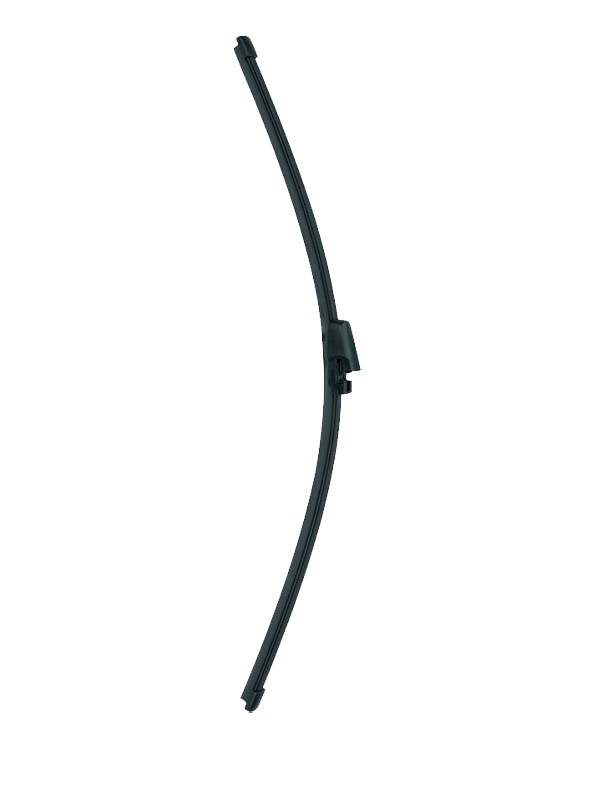 AD-705 Natural Rubber Rear Wiper BladeA compact rear wiper in saddle-type fitment with spring steel backing, sized per vehicle in the common 12 to 16 inch range. It suits the rear sizing discipline described here, where exact length prevents spoiler contact or a smeared top edge.View Product →
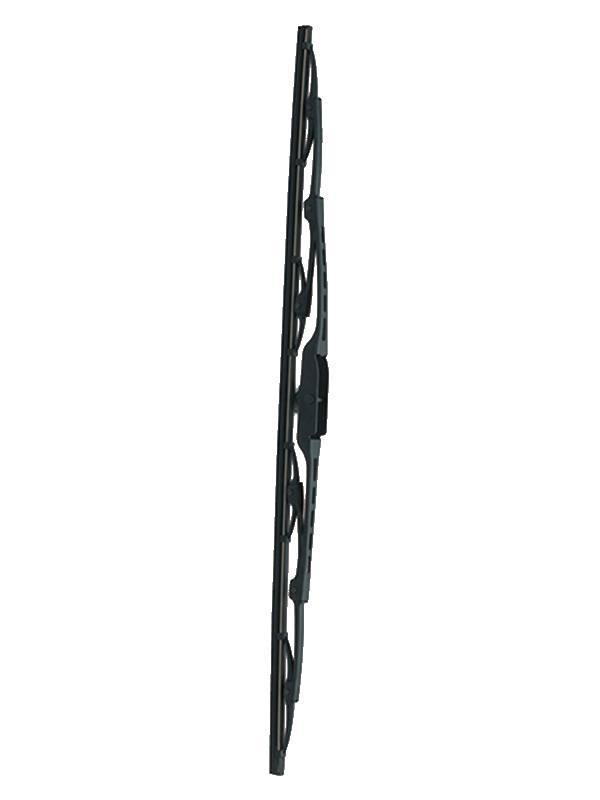
Bus and coach applications sit at the other end of the scale. Long, nearly flat glass at steep attack angles demands long blades with rigid backing, which is why heavy-duty series such as the AD601 rely on a stainless steel spine to hold the edge against the glass at speed. These sizes rarely appear in consumer catalogs and are normally ordered through industrial channels.
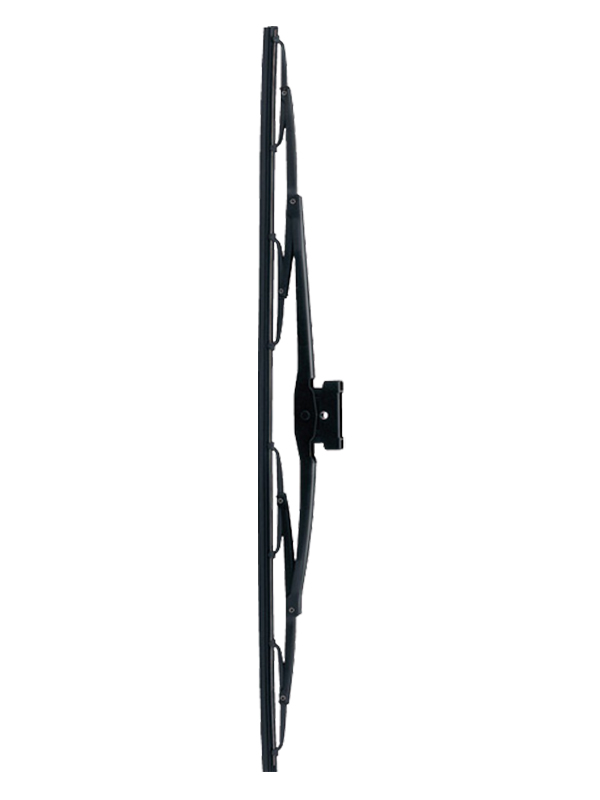 AD-601 Saddle-Type Heavy-Duty Bus Wiper BladeA long, heavy-duty wiper with a stainless steel spine built for buses, coaches, trucks, and ships. Its rigid backing holds the edge against long, steeply angled glass at speed, which is why these sizes are typically ordered through industrial channels.View Product →
Between the two extremes sit delivery vans with split windshields, agricultural cabs, and vintage models with discontinued arm styles. Operators in these niches usually order custom blade lengths and connector combinations directly from a factory, a service that standard retail channels cannot provide.
Six Sizing Mistakes That Cause Streaks, Noise, and Motor Strain
Most wiper complaints trace back to a matching error made at purchase rather than to a defective blade, and the pattern repeats across service bays and DIY installs alike. The list below covers the errors that appear most often.
- Buying a matched pair blindly. Many vehicles take two different front lengths, and a pair box is only correct when both positions genuinely share a size.
- Moving a front blade to the rear. Front blades are too long for a rear arm and usually carry the wrong adapter.
- Upsizing for a wider wipe. A longer blade lifts at the ends, strikes the cowl or the A-pillar, and loads the motor in heavy rain.
- Downsizing to save money. A shorter blade leaves an unwiped arc in the primary sight zone, which is a safety gap rather than a saving.
- Ignoring the connector. A half-seated adapter chatters, wipes unevenly, and can release the blade in use.
- Running blades across ice. Frozen glass chews the edge within a few passes, so ice should be cleared with a proper scraper or electric de-icer before the wipers run.
Noise is usually the first symptom of a mismatch. A blade of the wrong length changes the attack angle of the arm, and the resulting chatter shows up within the first minutes of rain. Correcting the size normally restores quiet operation without any other repair.
Frequently Asked Questions About Wiper Blade Sizes
Q1: Can I install a longer wiper blade than the specified size?
No. The specified length matches the arm geometry, the parked position, and the swept area designed for that window. A longer blade lifts at the ends, may strike the cowl or the opposite blade, and adds load to the motor and linkage. Always install the size printed in the manual or confirmed by measurement.
Q2: Do the driver and passenger blades ever share the same length?
Yes, some vehicles use equal front lengths, but the split is more common, with the driver side typically 1 to 4 inches longer. The sweep of each arm is set by the linkage rather than by the blade, so equal lengths cannot be assumed in either direction. Verify each position independently.
Q3: How do I measure a blade when the rubber edge is worn or torn?
Measure the frame or the spine from tip to tip, because the structure defines the length even when the rubber has degraded. If the blade is missing entirely, match the vehicle in a fitment guide using the make, model, and model year.
Q4: What sizes do rear wiper blades use?
Rear blades usually run between 8 and 16 inches, or 200 to 400 mm, and the exact size is model-specific because rear arms allow almost no adjustment. Measure the old blade or check the fitment guide before ordering.
Q5: How often should wiper blades be replaced?
Most drivers need new blades every 6 to 12 months, and vehicles parked outdoors in strong sun or icy climates often need earlier replacement. Chattering, streaking, and a split or ragged edge mean the size question is settled and a new blade is due.

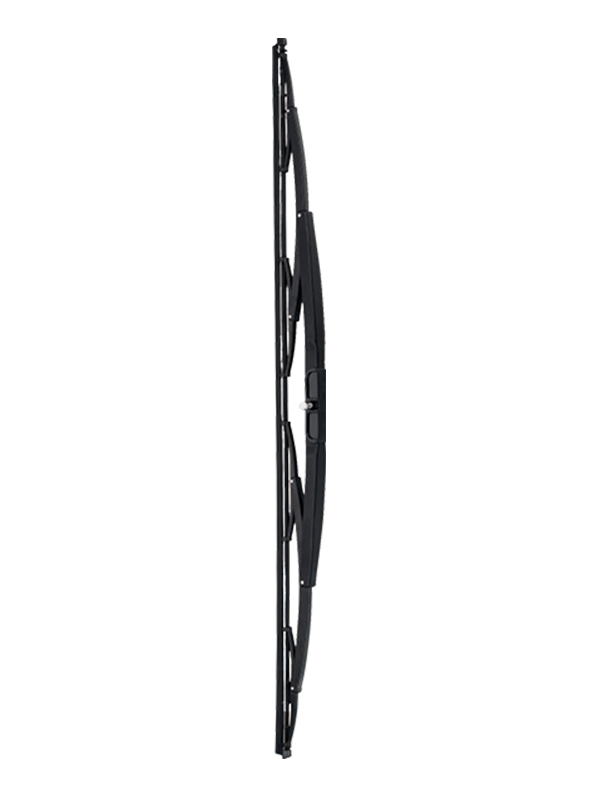


China's famous universal wiper blade manufacturer and customized wiper blade supplier.
share
contact information
Tel: +86-574-86572688
Fax: +86-574-86572685
Email: sales@aiduo-wiper.com
Add: Mechanical and Electrical Industrial Park, Luotuo Town, Zhenhai District, Ningbo City, Zhejiang Province, China.

