

 English
  中文简体
中文简体 

Submit feedback
What Are the Key Differences Between Classic Wipers and Modern Wiper Technologies?

Introduction
In the automotive industry, windshield wipers play a crucial role in ensuring clear visibility for drivers, especially during adverse weather conditions. However, as technology continues to evolve, so do the systems that help keep our vehicle windows clean. Classic wipers, the traditional models that have been around for decades, have seen significant improvements with the introduction of modern wiper technologies.
Design and Mechanism of Classic Wipers
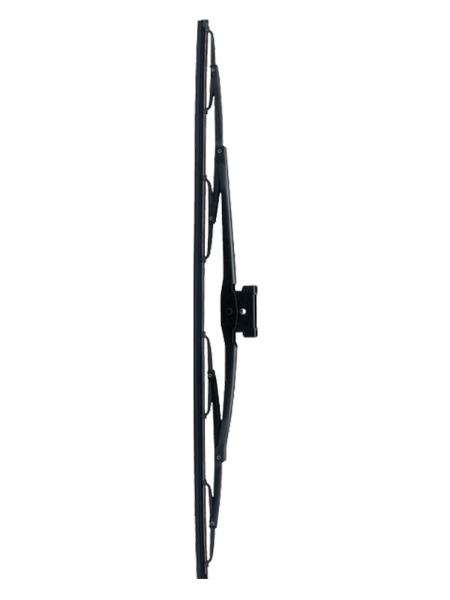
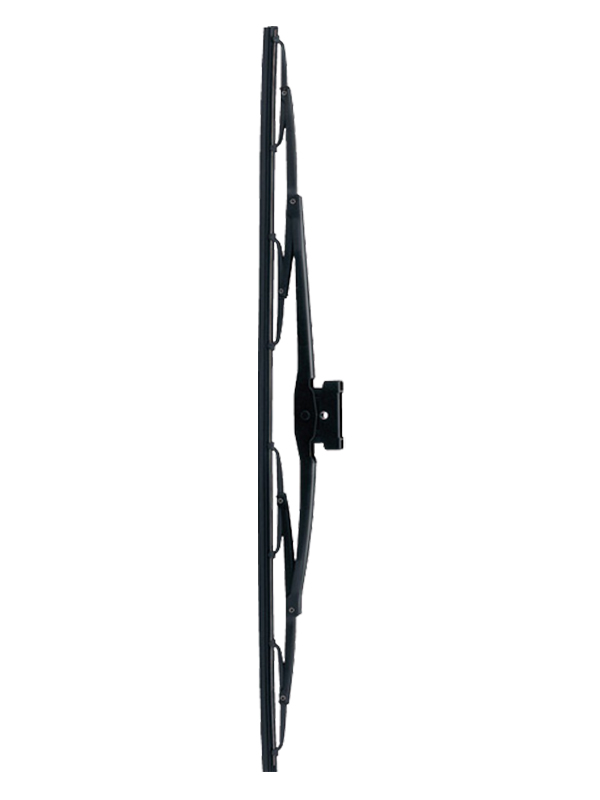
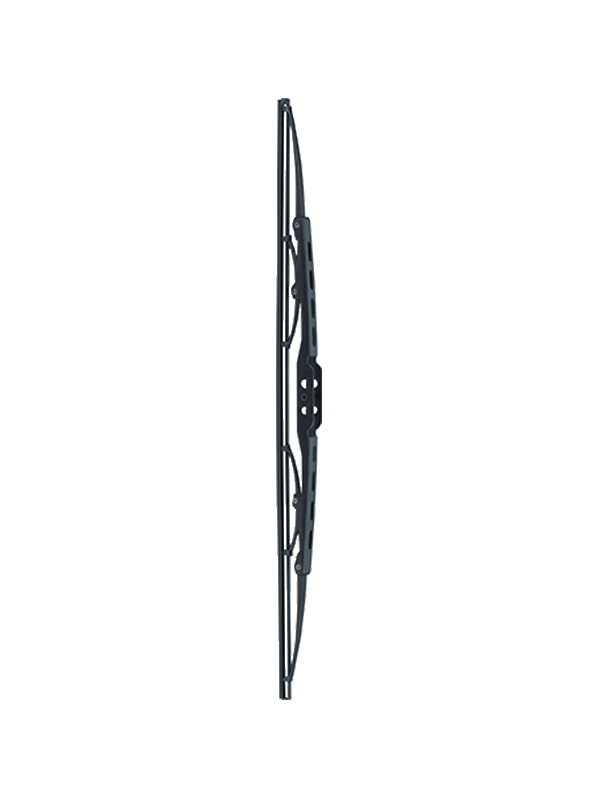
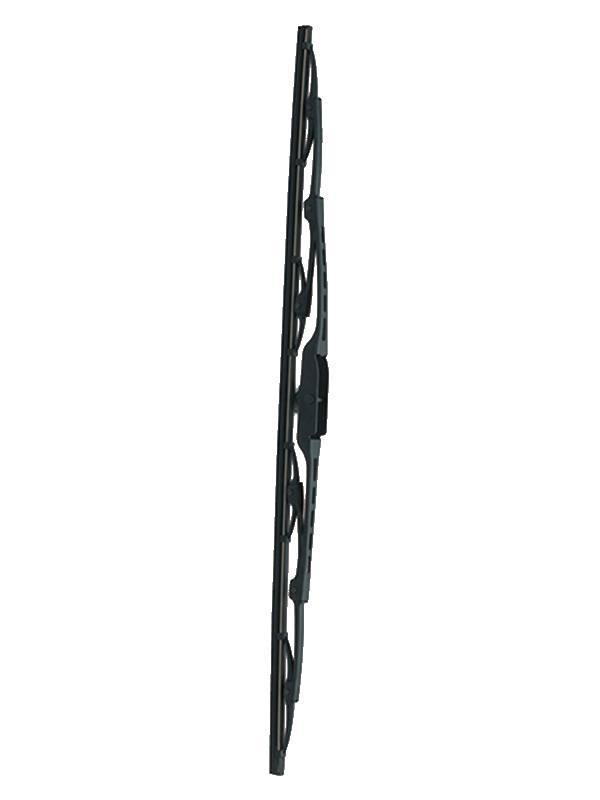
Classic wipers, often referred to as traditional wipers, have been a staple in automotive technology for years. These wipers typically consist of a metal frame, a rubber blade, and a motor that drives the wiper arm. The arm moves in a back-and-forth motion across the windshield, using the rubber blade to clear water, dirt, and debris.
- Frame Construction: The frame is typically made from steel, which can be prone to rust over time.
- Blade Composition: Rubber is the common material for classic wiper blades, though it can wear out faster, which results in streaking and reduced cleaning efficiency.
- Wiper Mechanism: Powered by a motor, the classic system uses a series of gears to move the wiper arms in a uniform pattern.
Advancements in Modern Wiper Technologies
Modern wiper systems have undergone numerous improvements to enhance their performance and durability. Several technologies have emerged, including flat blades, beam blades, and hybrid systems, each with unique characteristics that set them apart from traditional wipers.
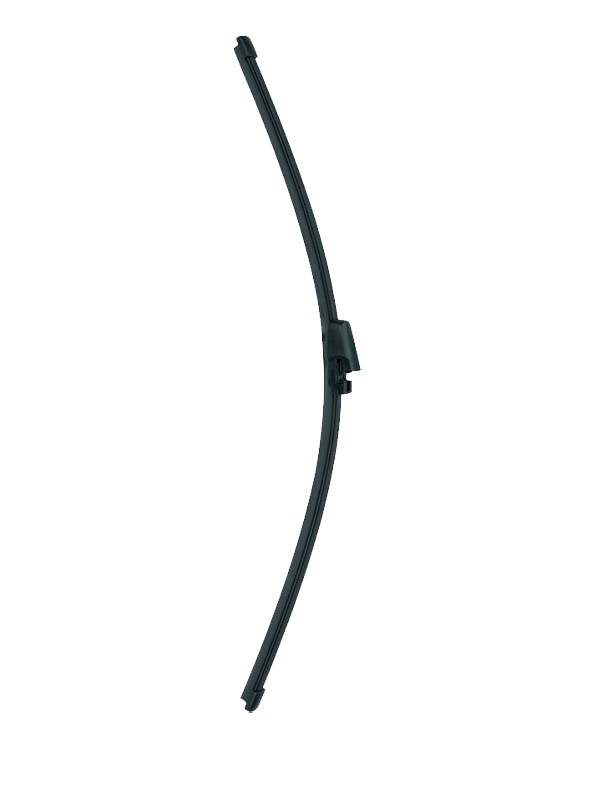
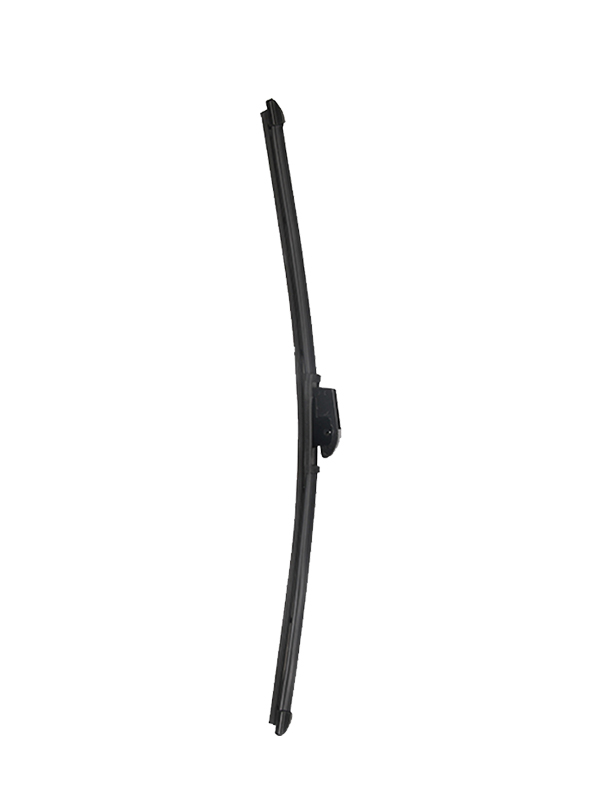
- Flat Blades: These wipers eliminate the need for a metal frame, offering a sleeker, more aerodynamic design. They are often made with high-quality rubber or silicone and provide better coverage without the risk of rust.
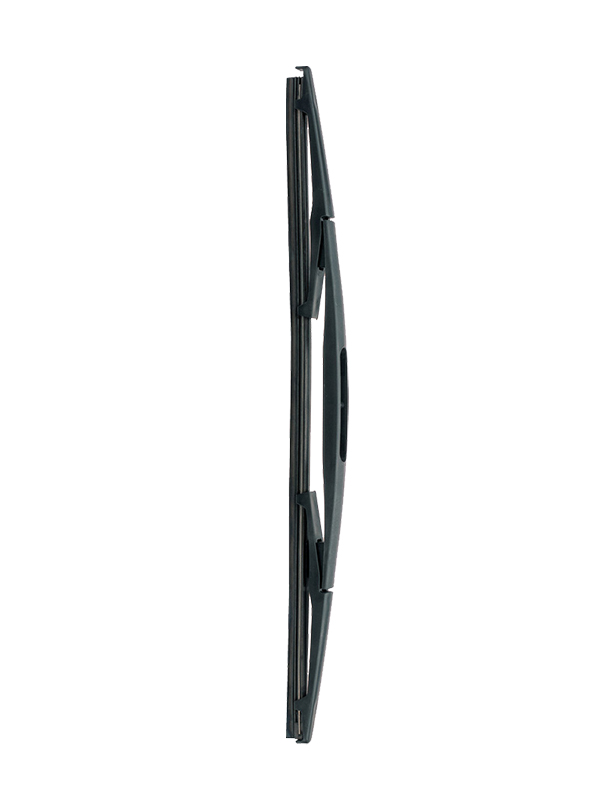
- Beam Blades: Beam blades feature a one-piece construction, making them more flexible and capable of better contact with the windshield, especially in weather conditions. They use a spring-loaded design to ensure consistent pressure along the length of the blade.
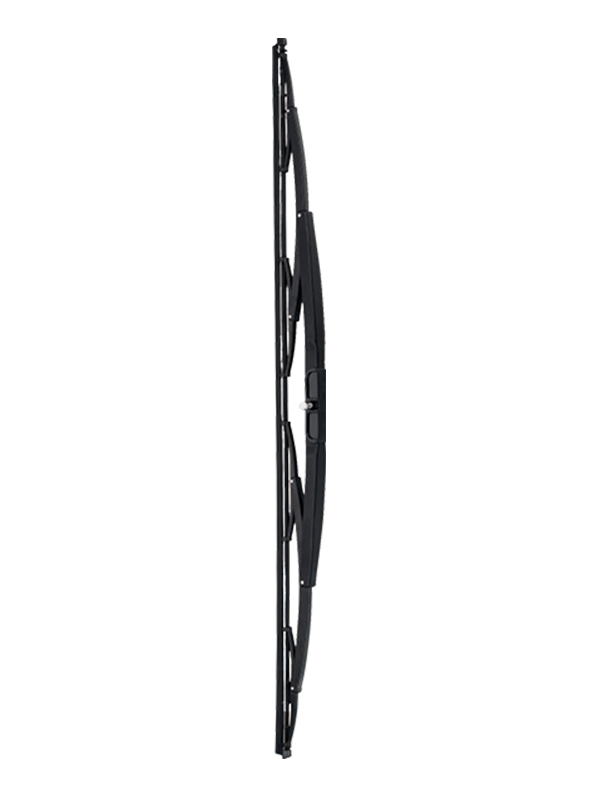
- Hybrid Blades: These combine the advantages of both classic and beam blades, offering a traditional frame with the performance of a beam blade.
- Motorized and Sensor-Based Systems: Many modern vehicles are now equipped with automatic wiper systems that use sensors to detect rain and adjust the speed accordingly, ensuring performance without manual intervention.
Performance and Efficiency Comparison
When comparing classic wipers to modern wiper technologies, several performance factors come into play:
| Performance Feature | Classic Wipers | Modern Wipers |
|---|---|---|
| Cleaning Efficiency | Moderate, can leave streaks | Superior, minimal streaking or residue |
| Durability | Shorter lifespan, prone to wear and tear | Longer lifespan with higher durability |
| Wind Resistance | More prone to lift at high speeds | Aerodynamically optimized to prevent lift |
| Noise Level | Often noisy, especially when worn | Quieter operation, smoother contact |
| Adaptability to Weather | Limited, less effective in snow or ice | Excellent in all weather conditions |
| Maintenance | Requires frequent maintenance | Requires less maintenance and less frequent replacement |
Impact on Driving Experience
Modern wiper systems have transformed the driving experience, particularly in terms of comfort, safety, and convenience. Classic wipers, while functional, can become less effective over time, especially in challenging conditions. Modern systems, however, offer several advantages:
- Improved Visibility: With better wiping performance, modern systems provide clearer visibility in all conditions, which is crucial for safe driving.
- Enhanced Safety: Advanced sensors and rain-detection technology in modern wipers improve reaction time during sudden rainfall, reducing the risk of accidents.
- Less Driver Intervention: Automatic wiper systems allow drivers to focus on the road rather than adjusting their wipers manually.
- Noise Reduction: Modern wiper technologies are quieter, providing a more peaceful driving experience compared to the older, noisy classic wipers.
Cost-Effectiveness and Longevity
Classic wipers are generally cheaper to purchase and replace, which can be appealing to budget-conscious vehicle owners. However, their shorter lifespan and the need for frequent replacements can add up over time. Modern wipers, on the other hand, may have a higher initial cost but tend to last longer and require less maintenance, making them more cost-effective in the long run.
Environmental Considerations
Environmental impact is another important consideration when comparing classic and modern wiper technologies. Classic wipers, particularly the metal frames, are more likely to rust and require disposal. The rubber blades can also break down more quickly, contributing to waste. On the other hand, modern wiper systems, especially those made with eco-friendly materials such as silicone, are more durable and environmentally conscious. Additionally, many modern wiper blades are made with recyclable materials, reducing their impact on the environment.
Conclusion
Classic wipers have served the automotive industry for many years, but modern wiper technologies have revolutionized how we approach windshield cleaning and driver safety. From the design and performance to the cost-effectiveness and environmental impact, modern wipers offer numerous advantages over their classic counterparts.
FAQ
1. What makes modern wipers more efficient than classic wipers?
Modern wipers utilize aerodynamic designs and advanced materials, resulting in improved cleaning performance, durability, and noise reduction.
2. Are classic wipers still effective in heavy rain?
While classic wipers can handle moderate rainfall, they tend to perform less effectively in heavy or weather conditions compared to modern wiper technologies.
3. How long do modern wiper blades last?
Modern wiper blades typically last longer than classic wipers, often providing up to a year or more of reliable performance with minimal maintenance.
4. Can I upgrade my classic wipers to modern wiper technology?
Yes, many vehicles allow for the replacement of classic wipers with modern beam or flat blades, offering better performance.
5. Are modern wipers more expensive than classic ones?
While modern wipers may have a higher upfront cost, their longer lifespan and reduced maintenance needs often make them more cost-effective over time.

China's famous universal wiper blade manufacturer and customized wiper blade supplier.
share
contact information
Tel: +86-574-86572688
Fax: +86-574-86572685
Email: sales@aiduo-wiper.com
Add: Mechanical and Electrical Industrial Park, Luotuo Town, Zhenhai District, Ningbo City, Zhejiang Province, China.

