

 English
  中文简体
中文简体 

Submit feedback
What Are the Key Advantages of Using Metal Wipers Over Traditional Wipers?

Introduction
In the automotive industry, wiper systems are critical components for ensuring driver visibility and safety in adverse weather conditions. While traditional wipers, such as those made from rubber, have been widely used, recent innovations in wiper technology have introduced metal wipers, which offer several benefits. This article explores the key advantages of metal wipers over traditional wipers, providing insights into their durability, performance, and cost-effectiveness.
Durability and Longevity
One of the significant advantages of metal wipers is their exceptional durability. Unlike traditional rubber wipers, which can wear out quickly due to exposure to UV light, temperature extremes, and road grime, metal wipers are engineered to withstand these conditions for much longer periods. The metal components are resistant to cracking and breaking, which results in a longer service life, reducing the need for frequent replacements.
| Feature | Metal Wipers | Traditional Rubber Wipers |
|---|---|---|
| Durability | High | Moderate |
| Wear Resistance | Excellent | Moderate |
| Maintenance Frequency | Low | High |
Performance in Extreme Conditions
Metal wipers are designed to perform better in weather conditions. The rigidity of the metal frame ensures that the wiper blade maintains consistent pressure on the windshield, which enhances cleaning effectiveness. This is particularly important in environments with freezing temperatures, where traditional wipers can freeze and lose effectiveness. Metal wipers are also more resistant to deformation under heavy snow and ice conditions, making them a reliable choice for all-season performance.
Resistance to UV and Ozone Degradation
Traditional rubber wipers often degrade due to prolonged exposure to UV rays and ozone, which cause the rubber to harden, crack, or lose its flexibility. Metal wipers, however, are not subject to these forms of degradation. Their construction typically includes high-grade metals that resist oxidation and UV damage, ensuring that the wipers retain their structural integrity over time.
Enhanced Aesthetics
While functional performance is paramount, aesthetics play a role in consumer choices. Metal wipers often have a sleek, modern appearance that enhances the overall look of the vehicle. Their robust and polished finish contrasts with the somewhat utilitarian look of rubber wipers, giving a vehicle a more premium, sophisticated appearance.
Cost-Effectiveness in the Long Run
Though metal wipers tend to have a higher upfront cost compared to traditional rubber wipers, their longevity and reduced maintenance costs can make them more cost-effective over time. The lower frequency of replacements, combined with the potential for better performance and fewer repairs, means that metal wipers provide value for money in the long term.
| Feature | Metal Wipers | Traditional Rubber Wipers |
|---|---|---|
| Initial Cost | High | Low |
| Replacement Frequency | Low | High |
| Long-Term Value | High | Moderate |
Better Environmental Impact
Metal wipers are often designed with recyclable materials, making them an environmentally friendly choice. On the other hand, rubber wipers, when disposed of, contribute to environmental waste, especially since they are less biodegradable. The use of recyclable metals in wipers reduces the environmental footprint of vehicle maintenance.
Versatility in Design and Customization
Metal wipers offer greater flexibility in design. Manufacturers can customize the wiper frame to fit various types of vehicles, from compact cars to large trucks. This flexibility is beneficial for automakers and aftermarket manufacturers, as it allows them to offer tailored solutions for different consumer needs.
Enhanced Cleaning Efficiency
Due to their stronger frame and consistent blade pressure, metal wipers can provide a more thorough and even cleaning performance. The enhanced contact with the windshield ensures that debris, rain, snow, and ice are wiped away more effectively than with traditional wipers. This is especially crucial in high-speed driving, where aerodynamics and pressure distribution are key factors.
Conclusion
The shift from traditional rubber wipers to metal wipers represents a technological advancement in the automotive industry. While metal wipers come with a higher initial cost, their durability, performance in conditions, and long-term cost-effectiveness make them a choice for many consumers.
FAQ
1. What makes metal wipers more durable than traditional rubber wipers?
Metal wipers are made from high-quality metals that resist wear, cracking, and degradation from UV rays and temperature extremes. This makes them last longer than rubber wipers, which can deteriorate over time.
2. Can metal wipers perform better in freezing temperatures?
Yes, metal wipers are more resistant to freezing and can maintain their effectiveness even in cold conditions, unlike traditional rubber wipers that may freeze and become ineffective.
3. Are metal wipers more expensive than traditional rubber wipers?
Metal wipers have a higher upfront cost but are more cost-effective in the long run due to their longer lifespan and reduced need for frequent replacements.
4. Are metal wipers environmentally friendly?
Yes, many metal wipers are made from recyclable materials, making them an environmentally friendly option compared to rubber wipers, which are harder to dispose of.
5. How do metal wipers enhance cleaning efficiency?
Metal wipers provide more consistent pressure on the windshield, ensuring a more thorough and even cleaning, especially under high-speed or weather conditions.
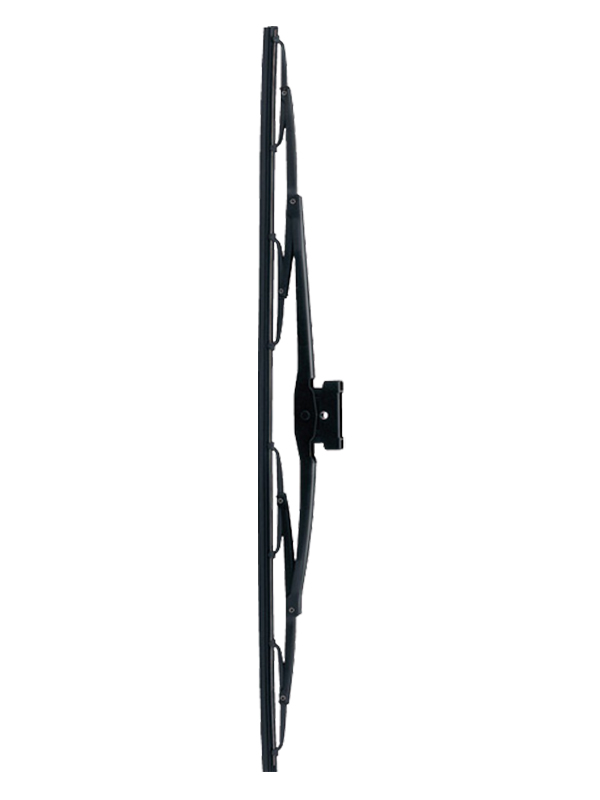
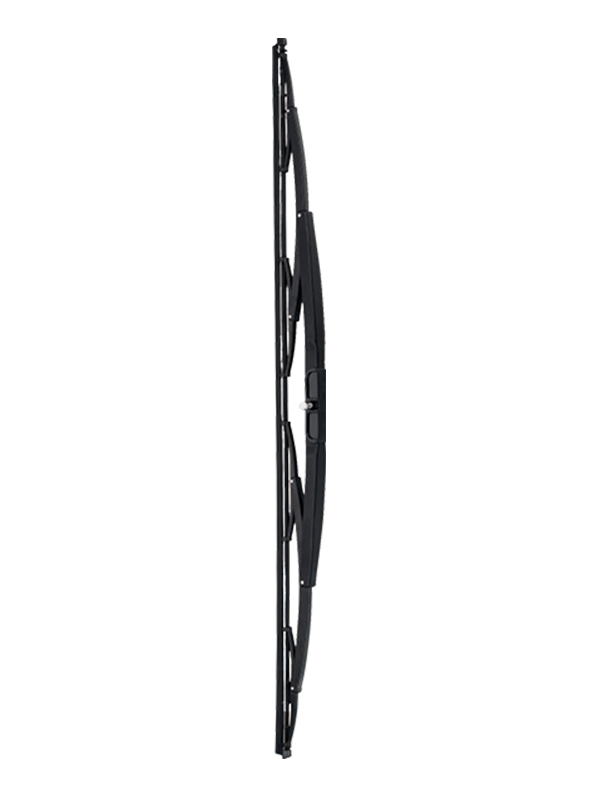
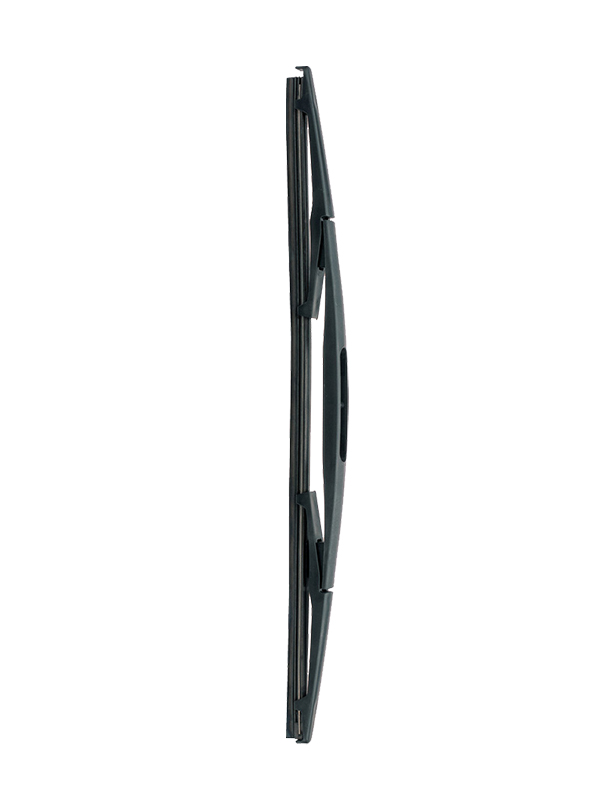
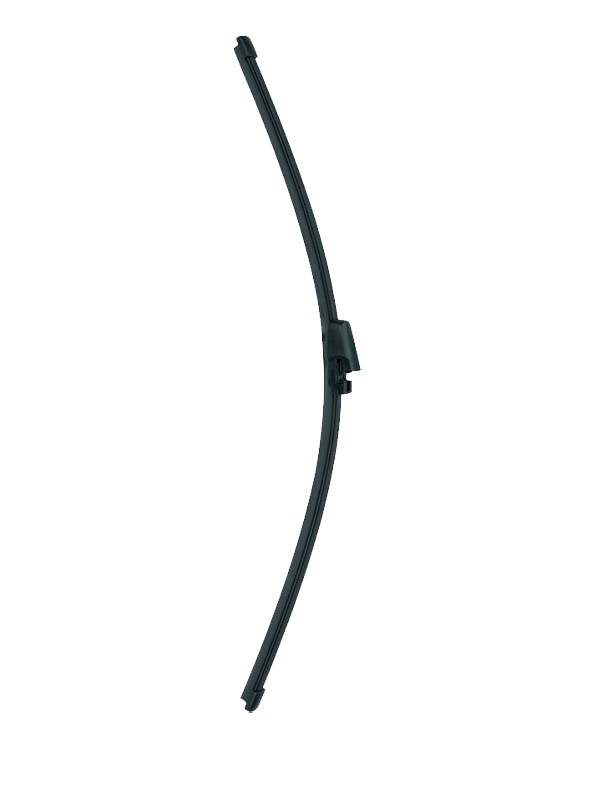
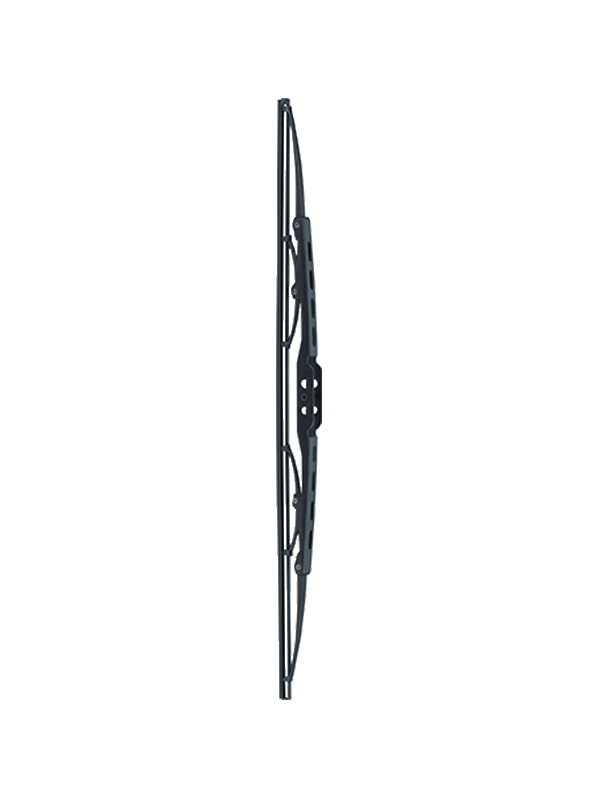
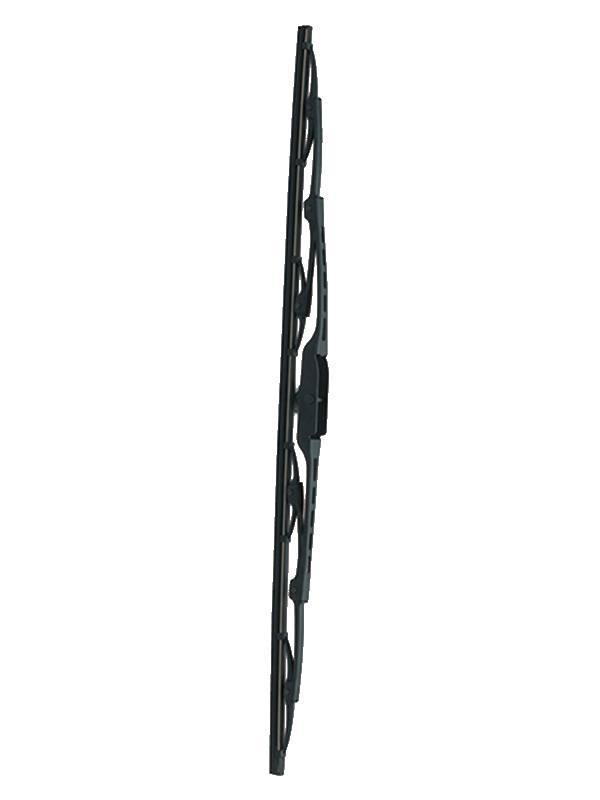
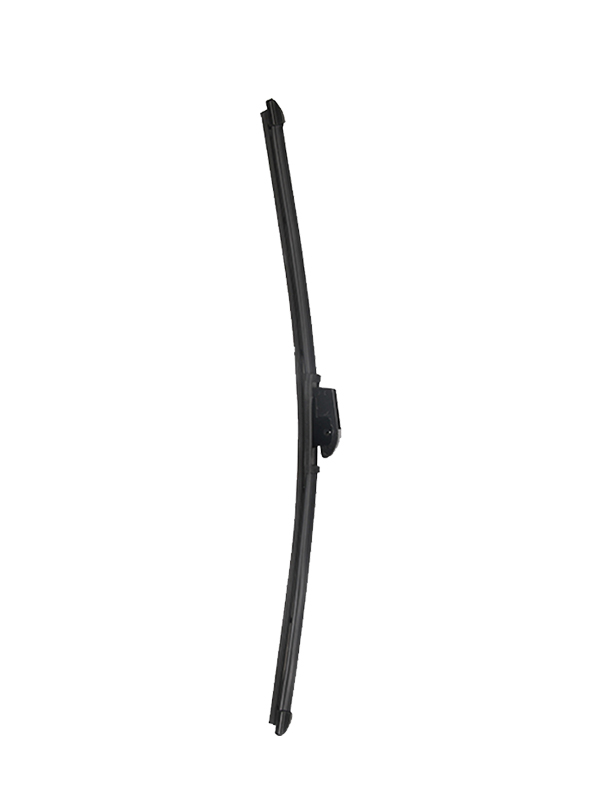

China's famous universal wiper blade manufacturer and customized wiper blade supplier.
share
contact information
Tel: +86-574-86572688
Fax: +86-574-86572685
Email: sales@aiduo-wiper.com
Add: Mechanical and Electrical Industrial Park, Luotuo Town, Zhenhai District, Ningbo City, Zhejiang Province, China.

