

 English
  中文简体
中文简体 

Submit feedback
Rear Wiper vs. Front Wiper: What’s the Difference and Why Does it Matter?

Wipers are a crucial component of any vehicle, ensuring a clear line of sight for drivers during rainy or snowy weather conditions. While drivers are familiar with the front windshield wiper, the rear wiper often goes unnoticed. However, it serves an equally important role, particularly in adverse weather conditions. Understanding the difference between the rear wiper and front wiper, as well as why this distinction matters, can significantly enhance vehicle performance, safety, and comfort.
The Role of Windshield Wipers in Vehicle Safety
Windshield wipers are an essential safety feature in any vehicle. They work by clearing water, snow, and other debris from the vehicle’s windshield, improving visibility and reducing the risk of accidents. This ability to maintain a clear view is especially important when driving in challenging weather conditions such as heavy rain or snow.
While front windshield wipers have become a standard feature in all vehicles, rear wipers are commonly found in hatchbacks, SUVs, and other vehicles with rear windows that are prone to dirt accumulation. These rear wipers ensure that the driver maintains full visibility not only out the front but also out the back, which is especially vital when reversing or driving in poor weather conditions.
Front Wipers: Design, Function, and Importance
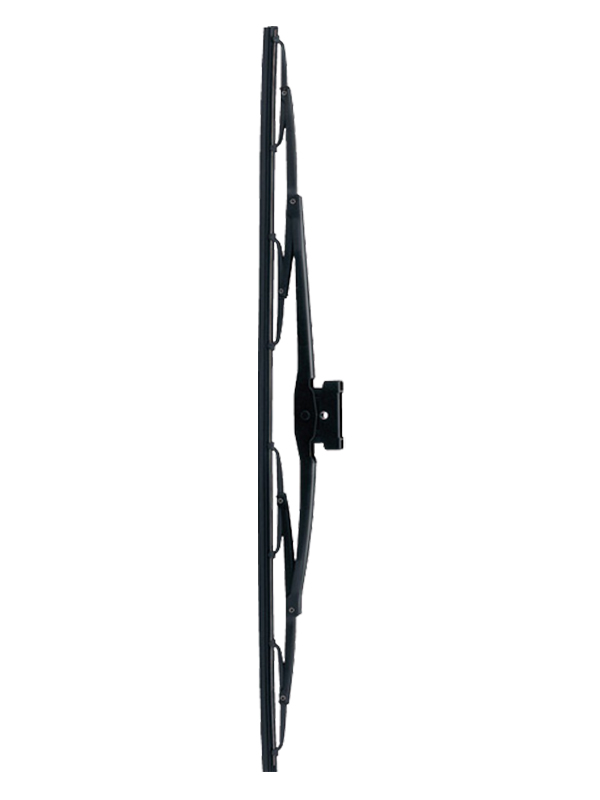
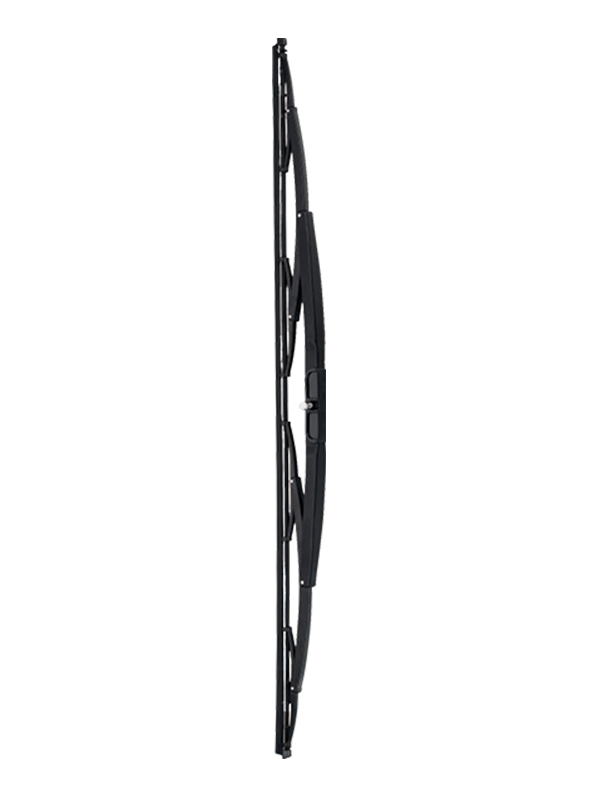
The front wiper is arguably the more prominent of the two, given that it is in constant use and directly impacts driver safety. The front windshield wiper system typically consists of two wiper blades that cover a wide area of the vehicle’s windshield. These blades are mounted on a frame that is controlled by a motor, and they operate through a series of mechanisms, including a linkage, to sweep across the windshield in an arc. This movement ensures the windshield remains free from water, snow, or debris, enhancing visibility for the driver.
Design and Function
Front wipers are designed to cover the full width of the windshield. Most vehicles are equipped with two wipers that work in tandem, creating a broad swath of coverage. This design allows for effective removal of rain or snow, regardless of the weather conditions. In addition, front wipers are usually equipped with advanced features such as variable speed control, intermittent wiper modes, and washers to improve cleaning performance.
The importance of front wipers cannot be overstated. In heavy rain, fog, or snow, these wipers are crucial for maintaining clear visibility, which is essential for safe driving. Their performance can significantly reduce the likelihood of accidents, especially at high speeds or in low-visibility situations.
Rear Wipers: Function and Role in Vehicle Safety
Unlike front wipers, rear wipers are not a universal feature across all vehicles. However, they are present in many hatchbacks, SUVs, and other vehicles with rear windows that are exposed to weather elements. The rear wiper serves a similar function to the front wiper: to clear water, snow, and debris from the rear window, ensuring that the driver can maintain a clear view behind them.
Design and Function
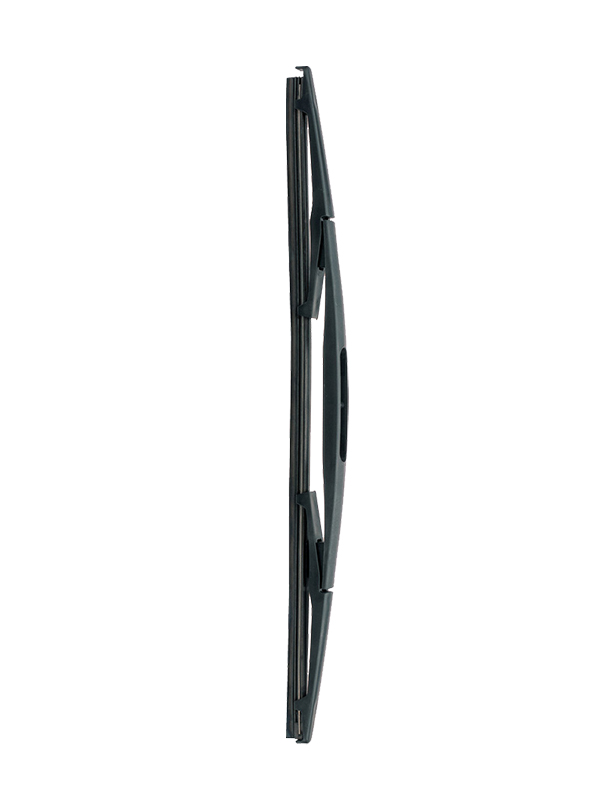
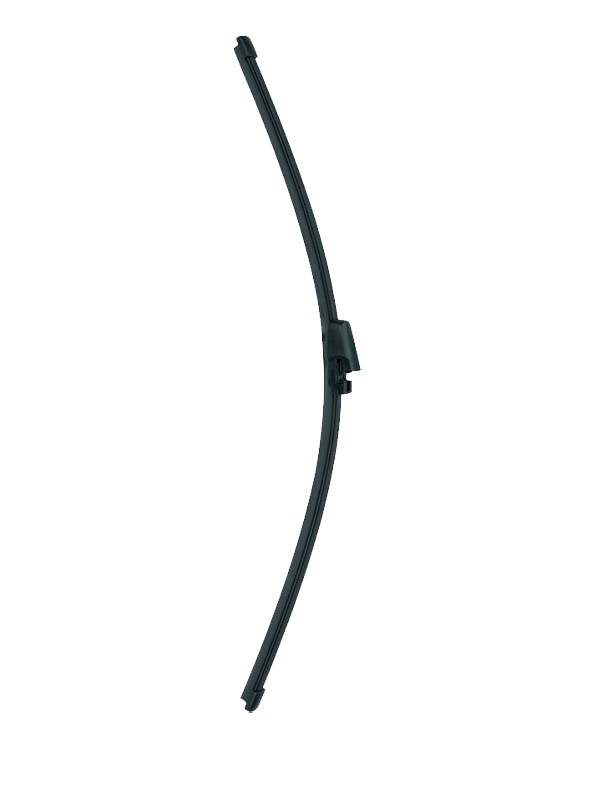
The design of the rear wiper is typically smaller and more compact than that of the front wiper. It is usually located at the bottom of the rear window, where it operates in a sweeping motion similar to the front wiper. However, because the rear window is often smaller than the front windshield, the rear wiper usually operates at a lower speed and covers a smaller area.
In addition to removing rain and snow, rear wipers help maintain visibility during driving in adverse conditions, particularly when reversing. They also play a role in clearing dirt and debris that might accumulate on the rear window, which can be a significant problem, especially for vehicles that are used in off-road conditions or during long road trips.
The Impact of Rear Wipers on Visibility
While the front wiper is essential for forward visibility, the rear wiper plays a critical role in ensuring that the driver can clearly see what is behind them. This is particularly important for reversing the vehicle or driving in conditions with low visibility, such as rain or fog. The rear wiper improves safety by eliminating any obstructions in the rear window, which could otherwise impair the driver’s ability to spot other vehicles, pedestrians, or obstacles.
Rear Wiper vs. Front Wiper: Key Differences
Although both rear and front wipers serve a similar purpose, there are several key differences between the two systems. These differences are primarily related to design, function, and the specific role each wiper plays in vehicle safety. Below is a comparison of the front and rear wiper systems.
| Feature | Front Wiper | Rear Wiper |
|---|---|---|
| Primary Function | Clears the front windshield for visibility | Clears the rear window for rearward visibility |
| Design | Larger wiper blades, typically two | Smaller wiper blades, usually one |
| Wiper Speed | Multiple speed settings, including intermittent | Generally operates at one speed |
| Coverage Area | Covers the entire front windshield | Covers the rear window, often with a smaller arc |
| Safety Impact | Improves forward visibility, crucial for driving | Enhances rear visibility, important when reversing |
| Presence in Vehicles | Found in almost all vehicles | Common in hatchbacks, SUVs, and some sedans |
| Advanced Features | Variable speed, washers, rain sensors | Basic on/off functionality in models |
Why Does the Difference Matter?
Understanding the differences between the front and rear wipers is important for several reasons, particularly when it comes to vehicle maintenance, safety, and performance.
-
Maintenance and Replacement: Regular maintenance of both the front and rear wipers is essential for ensuring their proper function. The wiper blades should be checked for wear and tear and replaced periodically to avoid smearing or streaking, which could impair visibility. Rear wipers are often overlooked in terms of maintenance, as they are less commonly used. However, ensuring the rear wiper is functioning properly is equally important, especially when driving in adverse conditions.
-
Weather Conditions: The effectiveness of both wipers is directly influenced by the type of weather conditions in which the vehicle is driven. For instance, in heavy rain, snow, or mud, the rear wiper can become clogged or obstructed, reducing its effectiveness. In these cases, it is important to ensure that the rear wiper is maintained regularly and equipped with the correct blade for performance.
-
Visibility and Safety: As mentioned, the rear wiper is critical for maintaining rearward visibility, especially in vehicles that have a larger rear window or are used for activities such as towing or hauling. If the rear wiper is not functioning properly, the driver's rear visibility may be impaired, which could result in dangerous driving conditions.
-
Product Development and Innovation: For rear wiper manufacturers, there is an ongoing effort to improve the design and functionality of rear wiper systems. Innovations such as variable speed controls, advanced blade materials, and integrated washer systems are being developed to enhance the performance of rear wipers. Manufacturers are also working to create wipers that are more durable, effective in various weather conditions, and easier to replace.
Conclusion: Understanding the Full Picture
While both the front and rear wipers serve the same primary purpose of clearing the windshield or rear window for improved visibility, their differences in design, function, and role in vehicle safety cannot be overlooked. Front wipers are typically more robust and are used more frequently, but rear wipers are equally crucial for ensuring that a driver can see behind them, particularly when reversing or driving in poor weather.
By understanding the distinct roles of these wipers and maintaining them properly, drivers can ensure that their vehicles remain safe and functional, regardless of the weather conditions. Regular maintenance, proper blade replacement, and attention to rear wiper systems are key to ensuring that both front and rear wipers continue to perform at their best.
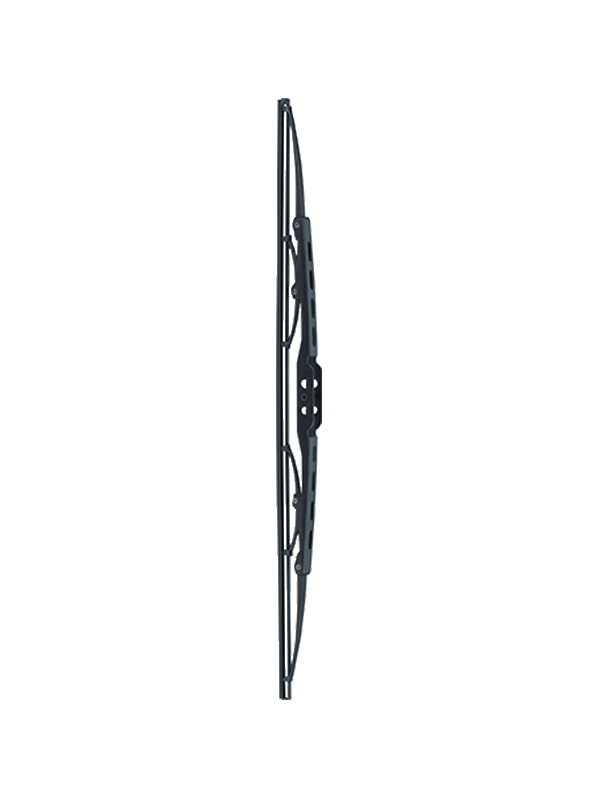
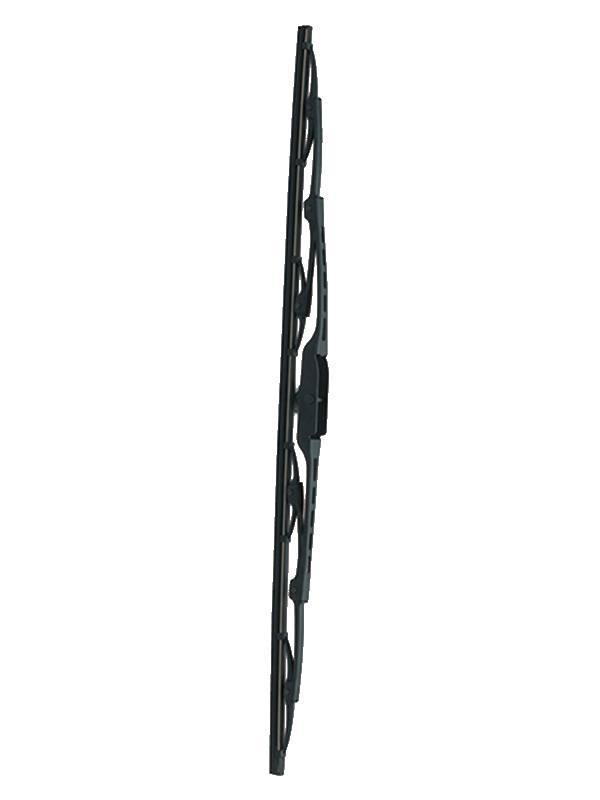
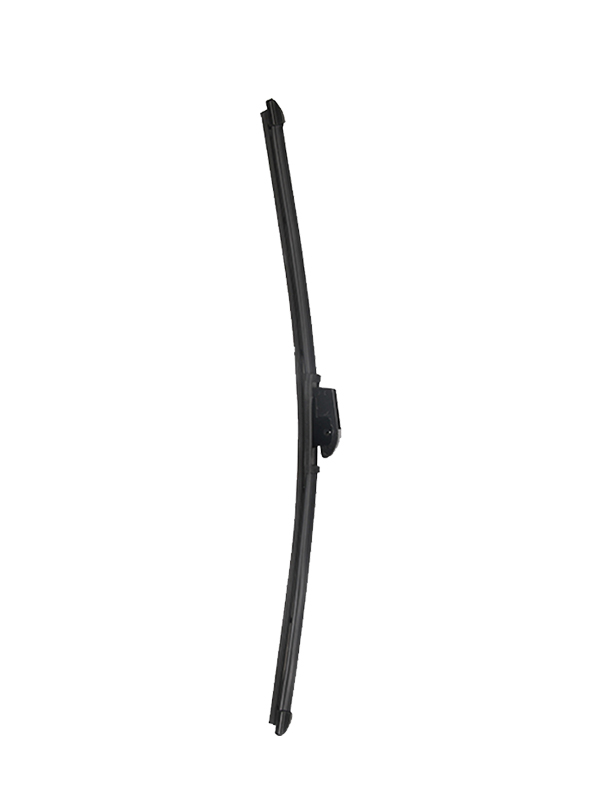

China's famous universal wiper blade manufacturer and customized wiper blade supplier.
share
contact information
Tel: +86-574-86572688
Fax: +86-574-86572685
Email: sales@aiduo-wiper.com
Add: Mechanical and Electrical Industrial Park, Luotuo Town, Zhenhai District, Ningbo City, Zhejiang Province, China.

