

 English
  中文简体
中文简体 

Submit feedback
Is Your Flat Wiper Blade Noisy? Learn How to Fix Common Issues

Introduction
Flat wiper blades, especially frameless ones, are becoming increasingly popular in modern vehicles due to their sleek design and performance. However, if you’ve noticed an annoying noise during operation, it can be frustrating. Understanding the potential reasons for this noise and how to fix common issues can significantly enhance your driving experience.
What Causes Noisy Flat Wiper Blades?
Flat wiper blades may start making noise due to various factors. Here are the common causes:
Dry or Worn Rubber
The rubber on the wiper blade can wear down over time due to exposure to the elements. When the rubber becomes brittle or cracked, it loses its ability to make consistent contact with the windshield, causing friction and noise during use.
Incorrect Installation
Improper installation of flat wiper blades or a misaligned frame can poor contact with the windshield. This uneven pressure can cause the blade to skip or squeak.
Dirty Windshield or Wiper Blade
Debris, dirt, and grime on the windshield or wiper blades can also contribute to noise. When the blades try to move across a dirty surface, they may produce a squeaking sound as they drag debris along.
Damaged Wiper Arm or Mechanism
If the wiper arm or its mechanism is bent, loose, or damaged, the blade may not apply the proper pressure on the windshield. This can intermittent noise as the blade struggles to move.
Poor Quality or Low-Grade Materials
Some flat wiper blades are made with lower-quality materials that don’t provide a smooth glide across the windshield. These blades might produce more noise as they lack the precision of higher-end wiper blades.
How to Fix Common Issues with Noisy Flat Wiper Blades
Check the Rubber for Wear and Tear
Inspect the rubber on the flat wiper blade. If you notice any cracks, tears, or significant wear, it may be time to replace the blade. Flat frameless wipers are known for their durability, but even these can wear out over time.
Clean the Windshield and Wiper Blades
Before diagnosing any deeper issues, ensure that both the windshield and the wiper blades are clean. A simple wash can remove accumulated dirt, bugs, or other debris that may cause friction and noise.
Reinstall the Wiper Blade Properly
Ensure that the wiper blade is securely installed on the wiper arm. A misaligned or improperly secured blade may create inconsistent pressure, which can cause noise. If necessary, remove the blade and reinstall it following the manufacturer’s instructions.
Inspect the Wiper Arm Mechanism
If the issue persists, inspect the wiper arm. A bent or malfunctioning arm can uneven pressure on the wiper blade. If you notice any issues, either adjust the arm or consider replacing it.
Lubricate the Wiper Blade
A small amount of silicone-based lubricant on the wiper blade can help reduce friction and eliminate squeaking. However, be cautious to avoid over-lubricating, as it can attract dirt.
Replace the Wiper Blades
If the problem persists after trying the above steps, it may be time to replace the wiper blades entirely. Choose a high-quality flat wiper blade to ensure performance.
How Flat Frameless Wipers Are Designed to Reduce Noise
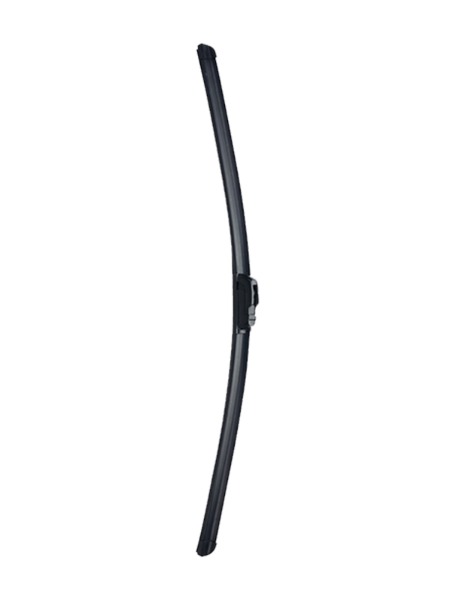
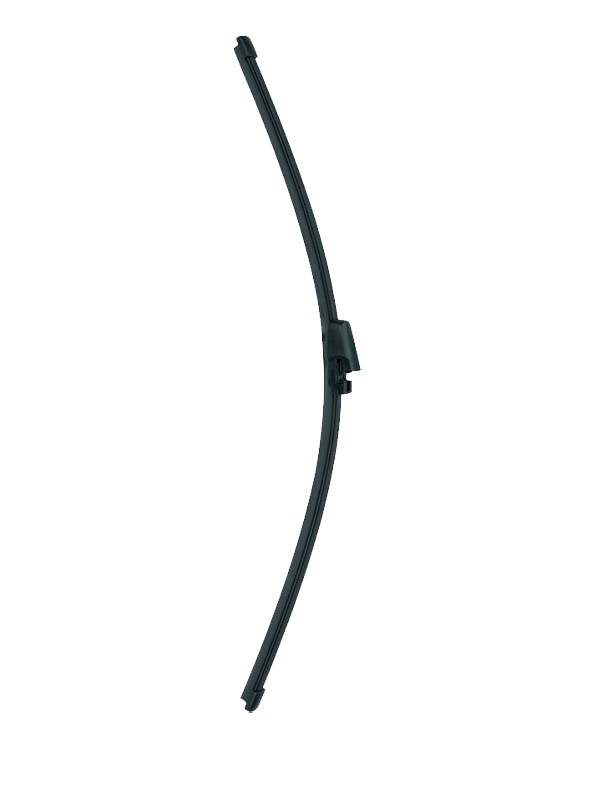
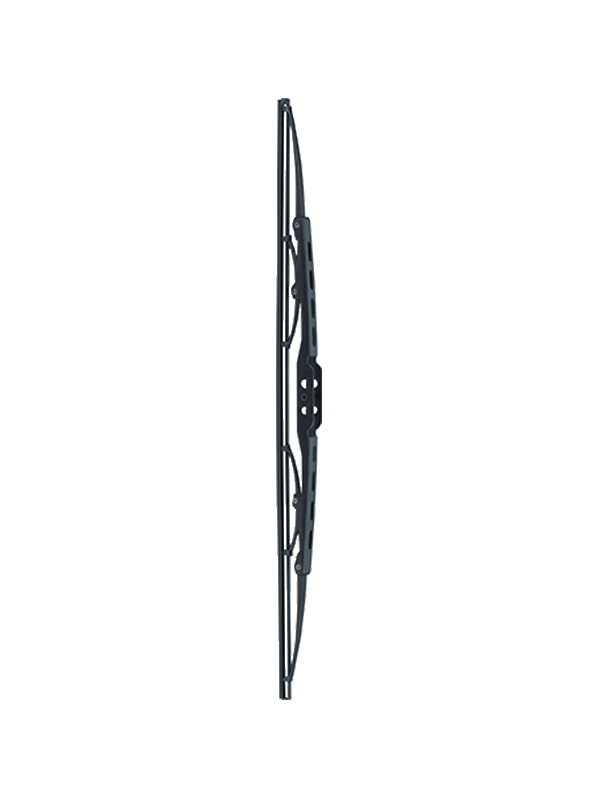
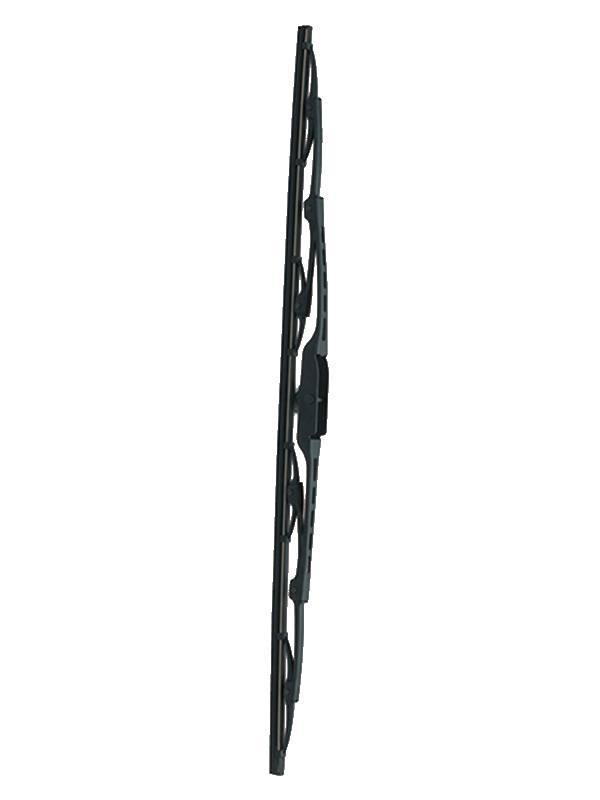
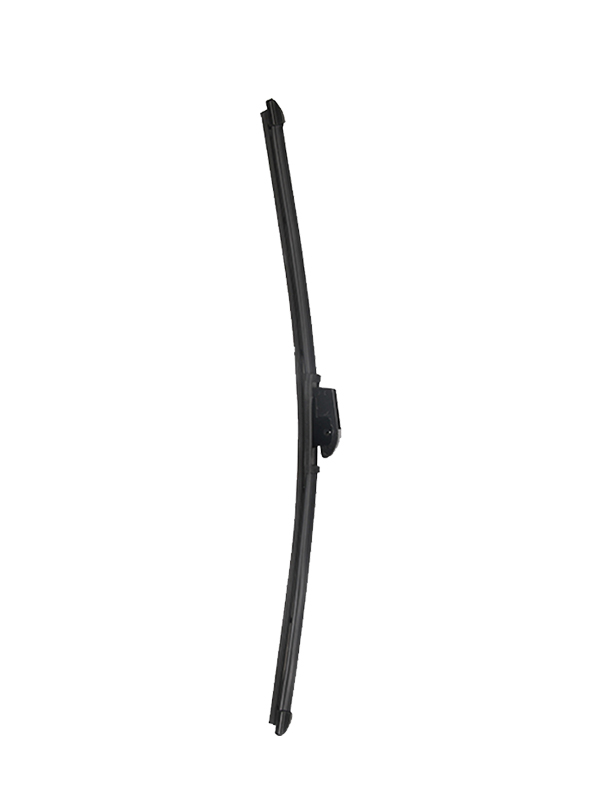
Flat frameless wipers are designed differently from traditional wiper blades. The absence of a metal frame helps provide consistent, even pressure across the entire length of the blade, which minimizes streaking and noise. These wipers often feature aerodynamic designs that reduce wind lift and prevent them from lifting off the windshield at high speeds, further reducing noise.
Flat wiper manufacturers focus on developing blades with advanced materials and cutting-edge designs. This includes using high-performance rubbers and optimized arm structures that allow for a quiet and smooth operation. The flexibility of these wipers allows them to conform to the shape of the windshield, reducing friction and minimizing noise.
Troubleshooting a Noisy Flat Wiper Blade: A Quick Guide
Here is a quick guide in table format to help you diagnose and fix common issues with noisy flat wiper blades.
| Issue | Cause | Solution |
|---|---|---|
| Squeaking or skipping | Wiper blade rubber is worn or damaged. | Replace the rubber blade or the entire wiper. |
| Uneven contact | Incorrect installation or misaligned wiper. | Reinstall the wiper blade correctly. |
| Scraping sounds | Dirty windshield or wiper blade. | Clean both the windshield and wiper blades. |
| Noise at high speeds | Wind resistance or poor aerodynamic design. | Replace with a high-quality flat wiper blade. |
| Chattering noise | Wiper arm is misaligned or damaged. | Inspect and replace the wiper arm if necessary. |
FAQ
1. Why do flat wiper blades make noise?
Flat wiper blades can make noise due to worn-out rubber, incorrect installation, dirt buildup, or damage to the wiper arm. Proper maintenance and replacement of the blades can often solve this issue.
2. How long do flat frameless wipers last?
On average, flat frameless wipers last around 6-12 months, depending on usage and environmental conditions. However, it’s important to inspect and replace them if they show signs of wear.
3. Can I fix noisy wipers without replacing them?
Yes, you can try cleaning the blades, adjusting their installation, or lubricating the rubber to reduce noise. If these fixes don’t work, replacing the blades may be necessary.
4. Are frameless wipers quieter than traditional ones?
Yes, frameless wipers are typically quieter due to their aerodynamic design and consistent pressure across the windshield, which helps reduce friction and noise.
5. What is the difference between flat wipers and traditional wipers?
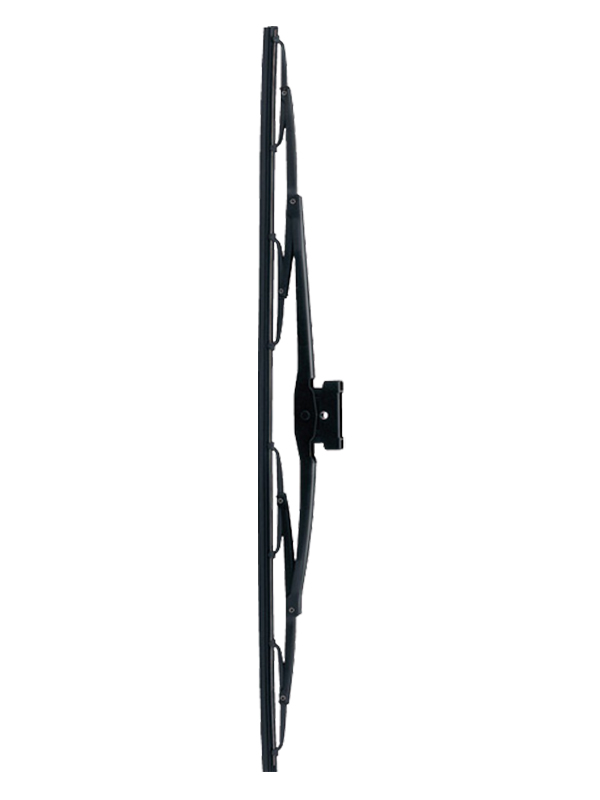
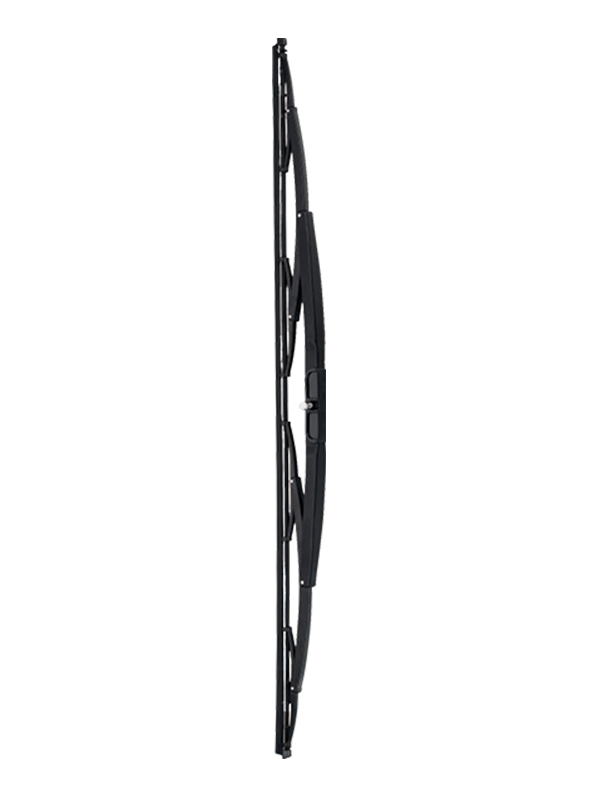
Flat wipers do not have a metal frame, providing a more streamlined, modern design. They offer quieter operation and better performance, especially at high speeds, compared to traditional wiper blades.
Conclusion
Dealing with noisy flat wiper blades can be annoying, but by identifying the root cause and following these simple troubleshooting steps, you can restore the smooth, quiet operation of your wipers. Regular maintenance and using high-quality flat wiper blades can help prevent noise in the future, ensuring that your wipers stay in condition.

China's famous universal wiper blade manufacturer and customized wiper blade supplier.
share
contact information
Tel: +86-574-86572688
Fax: +86-574-86572685
Email: sales@aiduo-wiper.com
Add: Mechanical and Electrical Industrial Park, Luotuo Town, Zhenhai District, Ningbo City, Zhejiang Province, China.

