

 English
  中文简体
中文简体 

Submit feedback
How to Maintain Your Rear Wiper: Tips for Longevity and Performance

Introduction
The rear wiper is often an overlooked yet essential component of your vehicle’s cleaning system. It plays a crucial role in ensuring visibility during adverse weather conditions, particularly in rainy and snowy environments. Although rear wipers are very important, many car owners fail to maintain them properly, resulting in decreased performance or even damage.
Understanding the Rear Wiper System
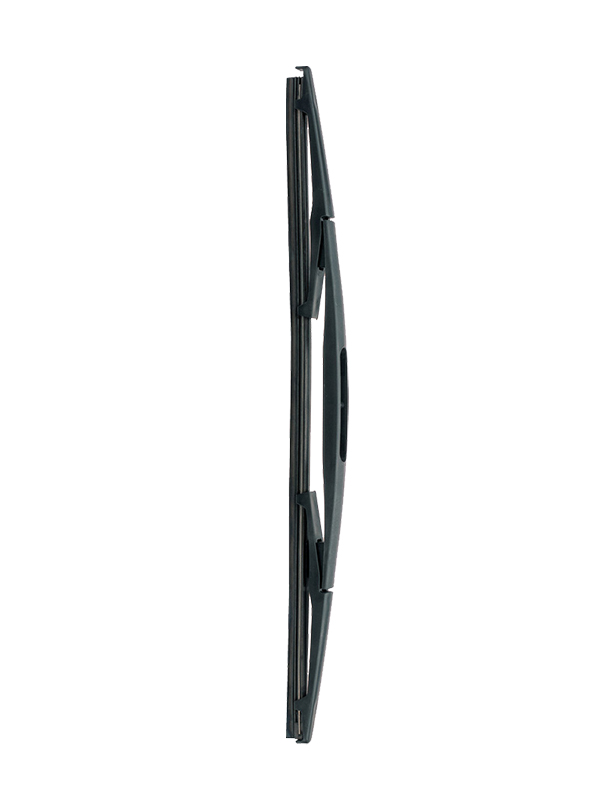
A rear wiper is designed to keep the rear window of a vehicle clear of rain, snow, and other debris, ensuring the driver maintains proper visibility. Unlike front wipers, rear wipers are smaller, often have different mechanisms, and are less commonly used. However, their importance is no less critical.
The rear wiper typically consists of the following components:
Wiper Arm: The mechanical part that holds the wiper blade.
Wiper Blade: The rubber part that makes contact with the glass, wiping away debris.
Motor: The component that powers the wiper mechanism.
Linkage: The set of rods or cables that connect the motor to the wiper arm.
To ensure proper functioning, all these components need regular maintenance.
Tips for Maintaining Your Rear Wiper
Regular Inspection and Cleaning
One of the simplest yet effective ways to prolong the life of your rear wiper is through regular inspections. A quick inspection can help you detect signs of wear or damage early, preventing them from developing into bigger problems.
Check the Wiper Blade: Over time, the rubber on the blade can wear down and lose its effectiveness. If you notice streaks or areas that aren’t being wiped clean, it’s time to replace the blade.
Clean the Wiper Arm and Blade: Dirt and debris can accumulate on the wiper arm and blade, causing the rubber to deteriorate faster. Use a soft cloth and mild soap to wipe down these parts.
Replace the Wiper Blade Regularly
Wiper blades don’t last forever. On average, they should be replaced every 6 to 12 months, depending on usage and climate. In some cases, weather conditions may call for more frequent replacements. If you notice the blade isn’t performing effectively (leaving streaks, skipping, or making noise), it’s time for a replacement.
Wiper Blade Lifespan:
| Weather Conditions | Suggested Replacement Frequency |
|---|---|
| Mild/Moderate Climate | Every 12 months |
| Rainy/Stormy Areas | Every 6-9 months |
| Snow/Ice-Prone Areas | Every 3-6 months |
Lubricate the Wiper Mechanism
Lubricating the rear wiper mechanism can improve its performance and prevent it from becoming stiff. Use a silicone-based lubricant, which is ideal for automotive parts exposed to moisture. Apply it sparingly to the joints and linkages of the wiper mechanism to ensure smooth motion.
Avoid Using the Wiper on Dry Windows
Using the rear wiper on a dry window can cause unnecessary wear and tear on the blade. This action can damage both the wiper blade and the rear window. Always ensure there is moisture or liquid (such as rain, snow, or windshield washer fluid) before using the wiper.
Protect from Freezing Conditions
In colder climates, the rear wiper can become frozen to the window, which may damage the wiper motor or the blade itself. Before winter weather sets in, make sure the wiper arm is free of snow and ice. If necessary, remove the wiper blade when parking during a storm to avoid it freezing to the glass.
Monitor the Rear Wiper Motor
The rear wiper motor is responsible for powering the wiper arm. If you notice unusual noises, a delay in movement, or complete failure, there may be an issue with the motor. Regular checks can help identify motor problems early, which can save you costly repairs in the long run.
Troubleshooting Common Issues with Rear Wipers
Despite proper maintenance, you might face issues with your rear wiper. Below are a few common problems and their possible causes:
Wiper Skipping: This could indicate that the wiper blade is worn or the arm is loose.
Wiper Not Moving: If the wiper arm isn’t moving at all, the issue could be with the motor, linkage, or fuse.
Squeaky Wiper: A squeaky wiper usually results from dirt or debris on the blade or arm. Cleaning and lubricating these components can solve the problem.
Conclusion
Proper maintenance of your rear wiper not only extends its lifespan but also ensures you have clear visibility during crucial moments. Regular inspections, timely replacement of worn-out parts, and avoiding conditions can prevent costly repairs and ensure performance. By following the tips provided, you can keep your rear wiper in condition for years to come.
FAQ
1. How often should I replace my rear wiper blade?
It is recommended to replace your rear wiper blade every 6-12 months, depending on usage and climate. In areas with frequent rain or snow, you may need to replace it more frequently.
2. Why is my rear wiper not working?
If your rear wiper isn’t working, it could be due to a faulty motor, a broken linkage, or an electrical issue. Check for any obstructions or damages in the system.
3. Can I use the same wiper blade for the front and rear windows?
Rear wiper blades are typically smaller than front wipers and are designed for different mechanisms. It’s to use a blade specifically made for the rear wiper system.
4. How can I prevent my rear wiper from freezing in winter?
To prevent your rear wiper from freezing, remove the blade or cover it with a protective cloth during snowstorms. Ensure that the wiper is not in contact with any ice or snow when parked.
5. What should I do if my rear wiper is leaving streaks on the glass?
Streaking usually indicates that the wiper blade is worn or damaged. Cleaning the blade or replacing it with a new one should resolve the issue.
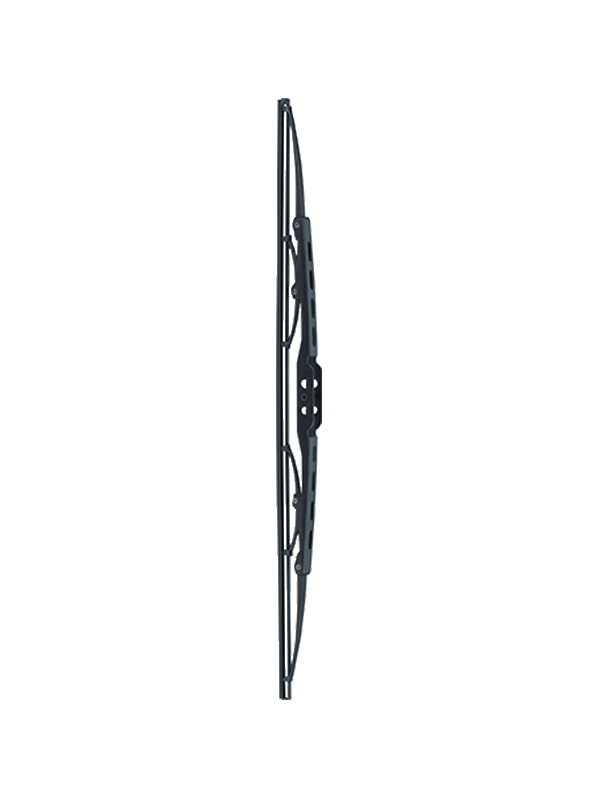
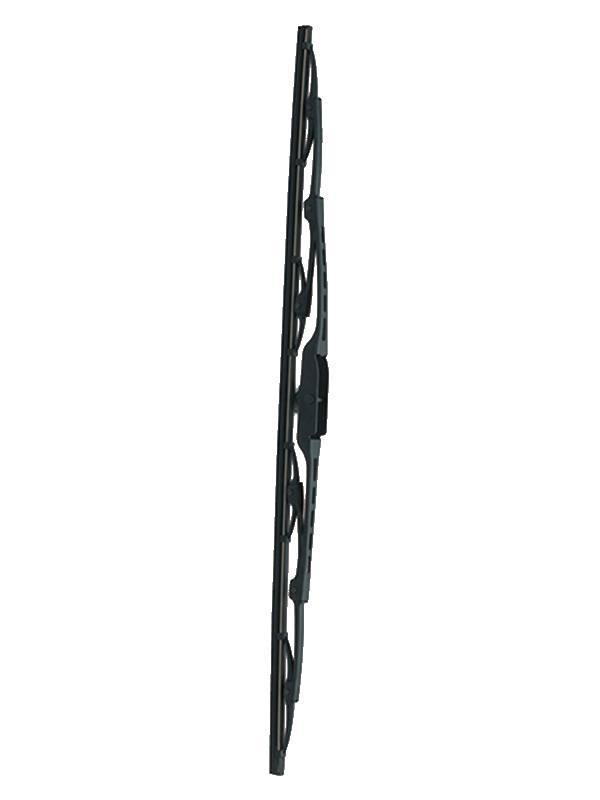
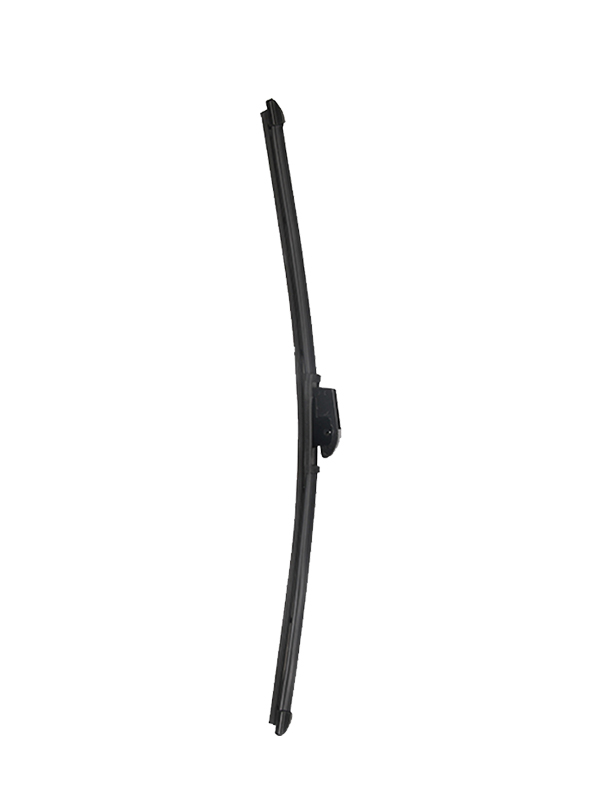

China's famous universal wiper blade manufacturer and customized wiper blade supplier.
share
contact information
Tel: +86-574-86572688
Fax: +86-574-86572685
Email: sales@aiduo-wiper.com
Add: Mechanical and Electrical Industrial Park, Luotuo Town, Zhenhai District, Ningbo City, Zhejiang Province, China.

