

 English
  中文简体
中文简体 

Submit feedback
How Do Metal Wipers Contribute to Enhanced Cleaning Efficiency in Harsh Environments?

Introduction
In industries where operational environments are particularly harsh, such as manufacturing plants, construction sites, and transportation, maintaining clean and clear equipment is essential for safety, efficiency, and durability. Metal wipers, commonly used in heavy-duty machinery, vehicle windshields, and industrial cleaning systems, play a pivotal role in ensuring that cleaning performance remains in these conditions. This article delves into the importance of metal wipers and how they contribute to enhanced cleaning efficiency when used in challenging environments.
The Role of Metal Wipers in Harsh Environments
Metal wipers are a category of wiping systems that utilize metal components—either as the blade itself or in the mechanism of the wiper. These wipers are designed to withstand the demands of rugged environments, offering advantages that make them highly effective in cleaning surfaces that endure high temperatures, abrasive conditions, and exposure to chemicals or heavy moisture.
Durability in Extreme Conditions
Metal wipers are built to endure harsh weather, high-pressure environments, and corrosive substances. Unlike conventional rubber or synthetic wipers, which can degrade quickly under intense exposure to UV rays, heat, or chemicals, metal wipers are made from corrosion-resistant alloys, making them durable in these conditions.
Performance in High-Temperature Environments
One of the primary advantages of metal wipers is their ability to operate efficiently at elevated temperatures. In environments such as power plants or factories, where equipment may be exposed to heat and steam, metal wipers remain stable and maintain their wiping capability without losing their shape or strength.
Resistance to Abrasive Materials
Another challenge in harsh environments is the presence of abrasive materials like dust, grit, or snow, which can quickly wear down non-metallic wiper systems. Metal wipers, however, are designed to resist wear and tear, ensuring longer lifespans and maintaining effective cleaning even when exposed to these elements.
Enhanced Cleaning Efficiency with Metal Wipers
While durability is crucial, the ultimate purpose of any wiper system is to ensure effective cleaning. Metal wipers excel in this regard by offering improved performance in terms of cleaning power and efficiency, especially when combined with the right materials and design.
Consistent Pressure and Motion
The rigidity and mechanical precision of metal wipers ensure that they maintain a consistent wiping pressure and motion. This consistent action results in cleaner surfaces, as the wiper blades don’t distort or lose their contact with the surface, unlike softer materials that may buckle under pressure.
Integration with Automatic Systems
In heavy-duty machinery, metal wipers can be integrated into automated cleaning systems, improving both the speed and consistency of cleaning. These systems are typically found in vehicles, production lines, or automated equipment, where the ability to quickly clear dirt, debris, or moisture is essential for smooth operations.
Performance in Low-Light and High-Speed Operations
In environments like roadways or mining operations, where vehicles or machinery may be moving at high speeds or in low visibility, metal wipers provide a significant advantage. Their efficiency at maintaining a clear view or clean surface, even at high velocities or under low-light conditions, makes them an ideal choice for safety-critical applications.
Materials Used in Metal Wipers
The effectiveness of a metal wiper isn’t solely determined by its construction; the materials used in its fabrication also play a significant role. In this section, we explore the various materials used in the production of metal wipers and how they contribute to overall performance.
Stainless Steel
Stainless steel is one of the common materials used in the production of metal wipers due to its high resistance to corrosion, high tensile strength, and durability. Stainless steel wipers are often used in marine, automotive, and industrial cleaning applications, where exposure to harsh elements is frequent.
Aluminum Alloys
Aluminum alloys are lightweight, durable, and resistant to rust, making them a choice for metal wipers that need to balance performance with ease of handling. Aluminum-based wipers are commonly found in vehicles where reducing weight is a priority.
Specialized Coatings
To enhance the performance of metal wipers, manufacturers often apply specialized coatings such as ceramic, nickel-plated finishes, or epoxy coatings. These coatings add an extra layer of protection, preventing corrosion and extending the lifespan of the wipers, particularly in environments with high moisture content.
Applications of Metal Wipers in Harsh Environments
Metal wipers are versatile and can be used across various sectors and environments. Below are some key industries and applications where these wipers prove invaluable.
Automotive Industry
In vehicles, metal wipers provide exceptional durability and cleaning performance in harsh weather conditions, such as snow, rain, or road salt. They are especially useful for cleaning windshields, mirrors, and headlights, ensuring that drivers maintain visibility, regardless of the weather.
Industrial Manufacturing
In factories and manufacturing plants, metal wipers help clean large equipment, conveyor belts, and machinery that may come into contact with oils, metals, or chemicals. Their ability to withstand high temperatures and corrosive substances makes them ideal for such demanding environments.
Construction Sites
Construction machinery, such as excavators, bulldozers, and cranes, often operate in dust-filled environments or areas where rain and mud are frequent. Metal wipers are essential in ensuring that the machinery remains clean, operational, and safe, even in the challenging environments.
Benefits of Metal Wipers
| Benefit | Description |
|---|---|
| Durability | Resistant to corrosion, high temperatures, and abrasions, offering longer lifespans. |
| Consistency | Maintains consistent wiping pressure and motion, improving cleaning efficiency. |
| Resistance to Harsh Elements | Performs well in environments such as high moisture, heat, or chemical exposure. |
| Versatility | Suitable for various applications, including automotive, industrial, and construction use. |
Conclusion
Metal wipers provide a crucial solution for maintaining cleaning efficiency in harsh environments. Whether it’s for industrial machinery, vehicles, or construction equipment, metal wipers offer reliability and durability that ensures performance. Their resistance to high temperatures, abrasive materials, and exposure to chemicals makes them a top choice for industries that demand uncompromising efficiency and safety.
FAQ
Q1: What makes metal wipers more durable than traditional rubber wipers?
Metal wipers are made from corrosion-resistant materials like stainless steel and aluminum alloys, making them more durable in harsh conditions like high temperatures, abrasive environments, and exposure to chemicals.
Q2: How do metal wipers perform in high-speed applications?
Due to their rigidity and precise mechanical construction, metal wipers maintain consistent pressure and contact with the surface, which is crucial for high-speed operations like automotive or industrial cleaning systems.
Q3: Can metal wipers be used in outdoor environments?
Yes, metal wipers are ideal for outdoor applications where weather conditions can be extreme, such as roadways, construction sites, and mining operations.
Q4: Are metal wipers easy to maintain?
Yes, metal wipers typically require minimal maintenance due to their durable materials. However, regular cleaning and occasional inspection are recommended to ensure performance.
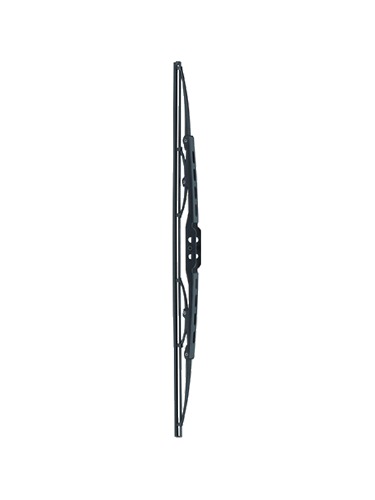
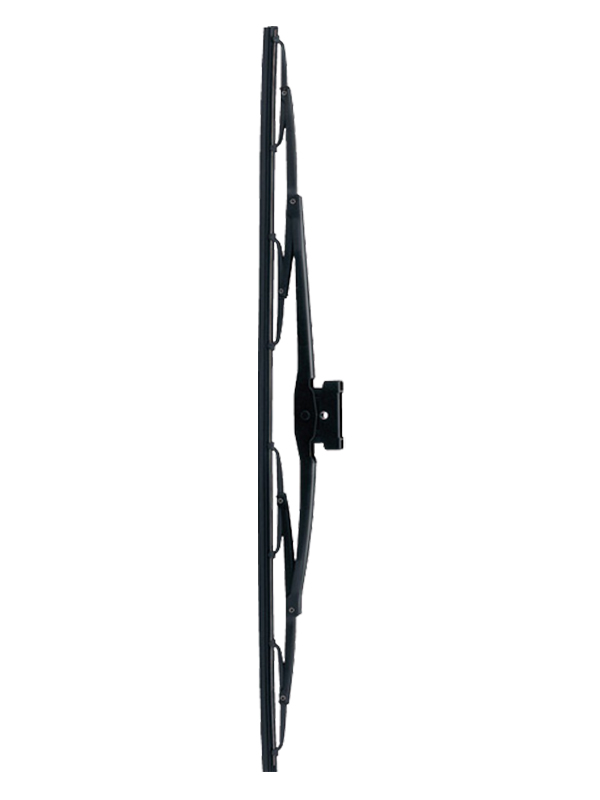
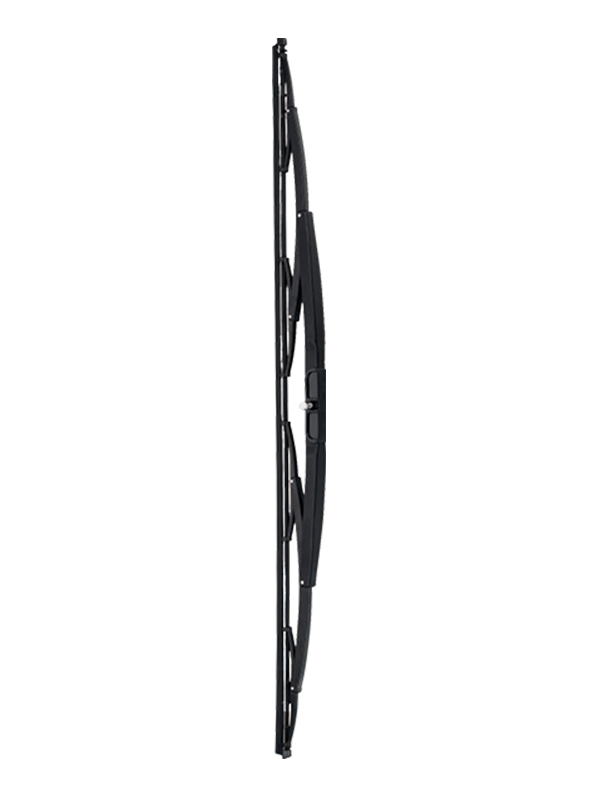
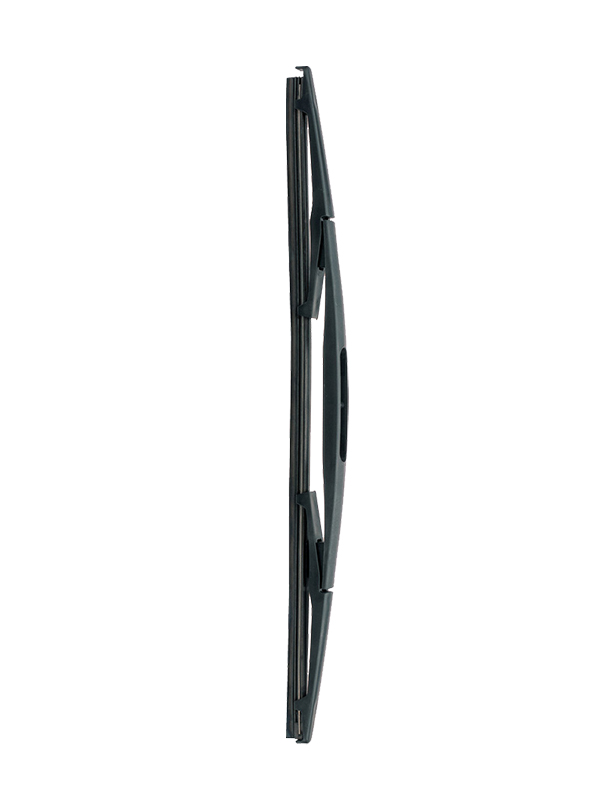
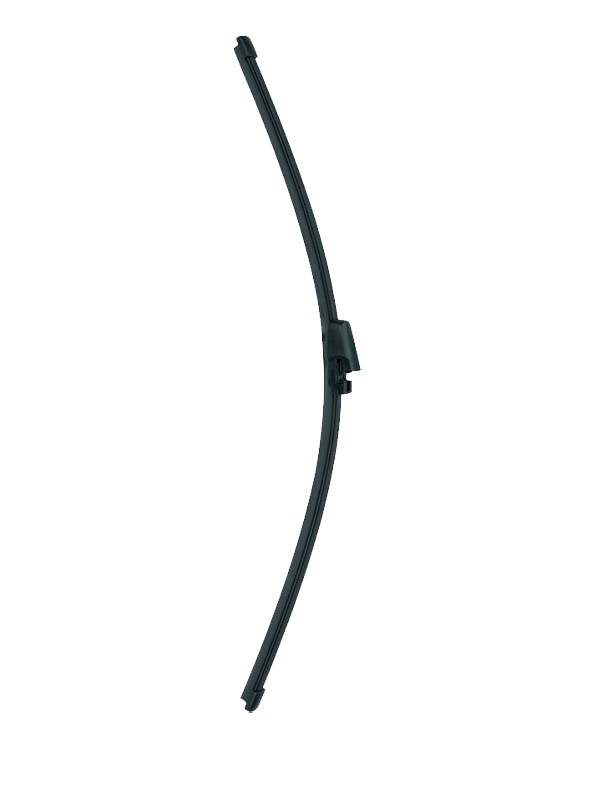
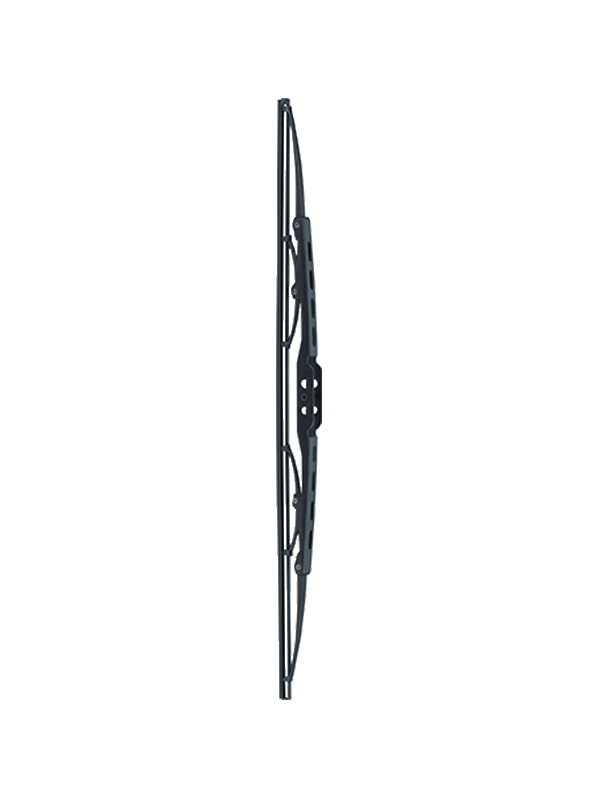
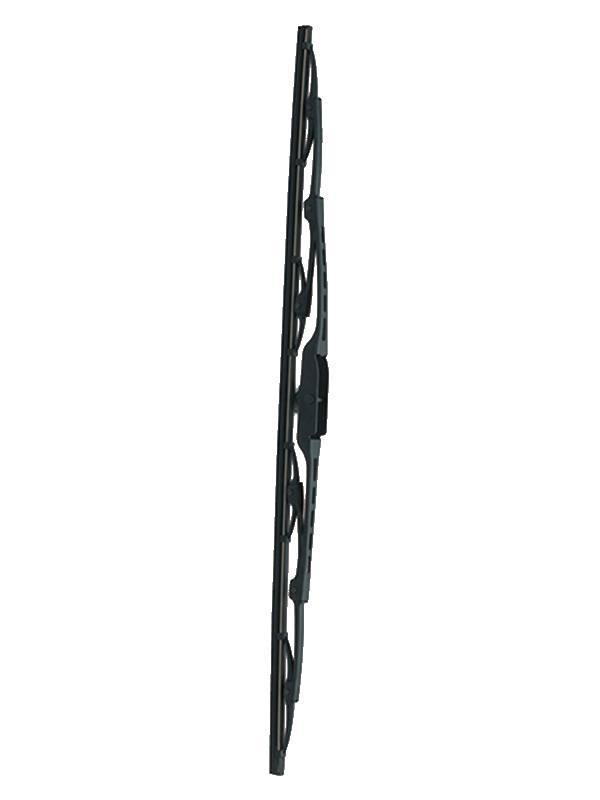
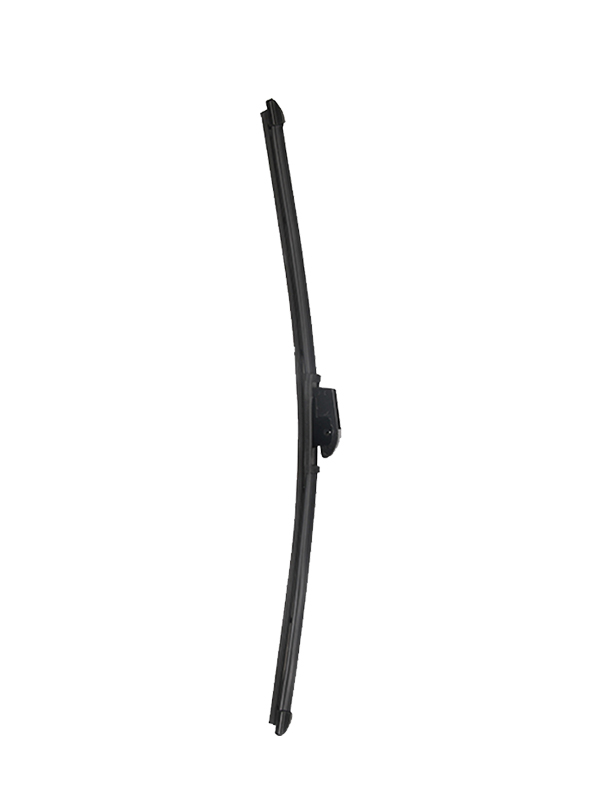

China's famous universal wiper blade manufacturer and customized wiper blade supplier.
share
contact information
Tel: +86-574-86572688
Fax: +86-574-86572685
Email: sales@aiduo-wiper.com
Add: Mechanical and Electrical Industrial Park, Luotuo Town, Zhenhai District, Ningbo City, Zhejiang Province, China.

