

 English
  中文简体
中文简体 

Submit feedback
Flat Wipers vs Conventional Wipers: Which One Wins?

Introduction
The evolution of automotive wiper blades reflects broader changes in modern vehicle design, material engineering, and user expectations for all-weather visibility. Among the numerous categories of windshield wiper technology, the comparison between the flat wiper and the conventional wiper has become a focal point for both consumers and the automotive supply chain. As driving environments diversify and ergonomic requirements rise, selecting the right wiper structure is no longer a trivial component choice but a valuable contributor to driving safety and comfort.
Structural Design Differences
Conventional Wiper Structure
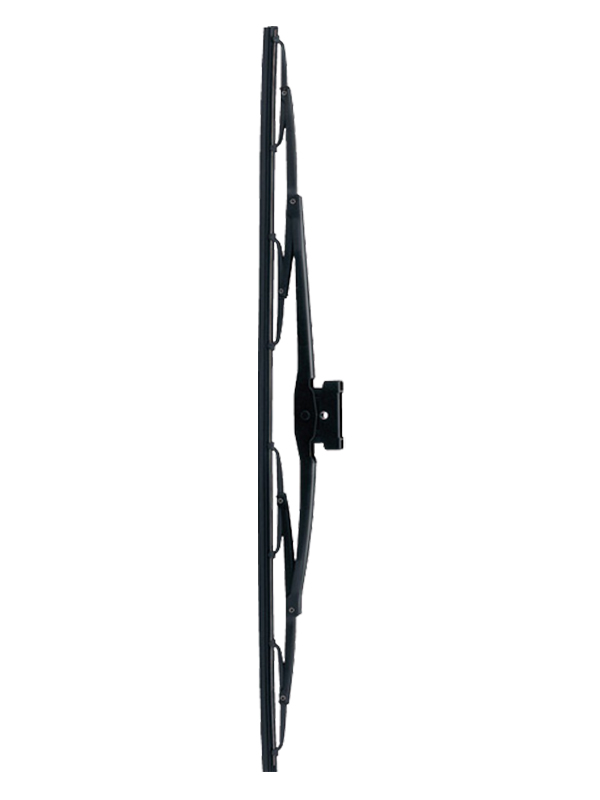
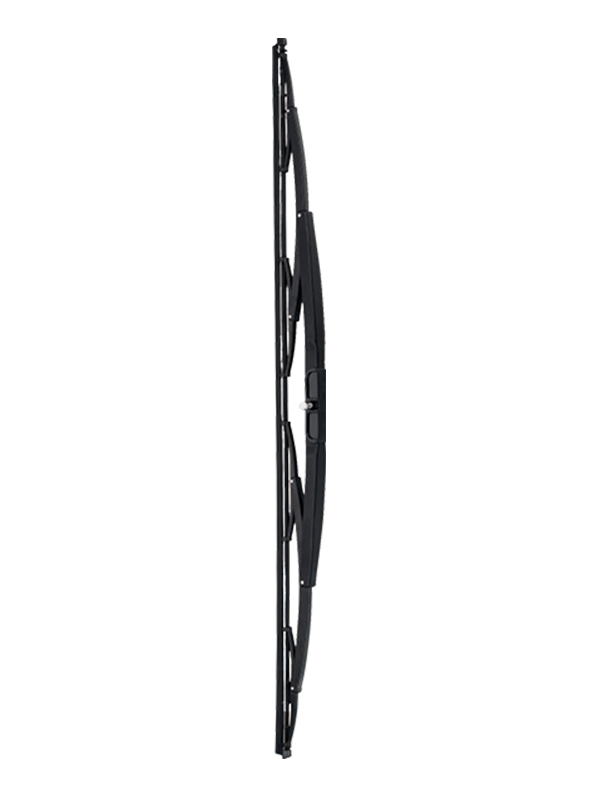
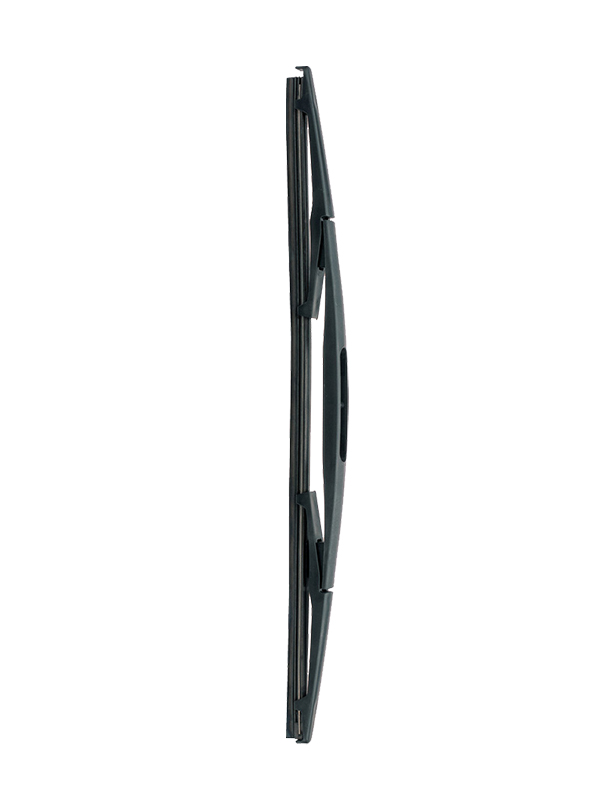
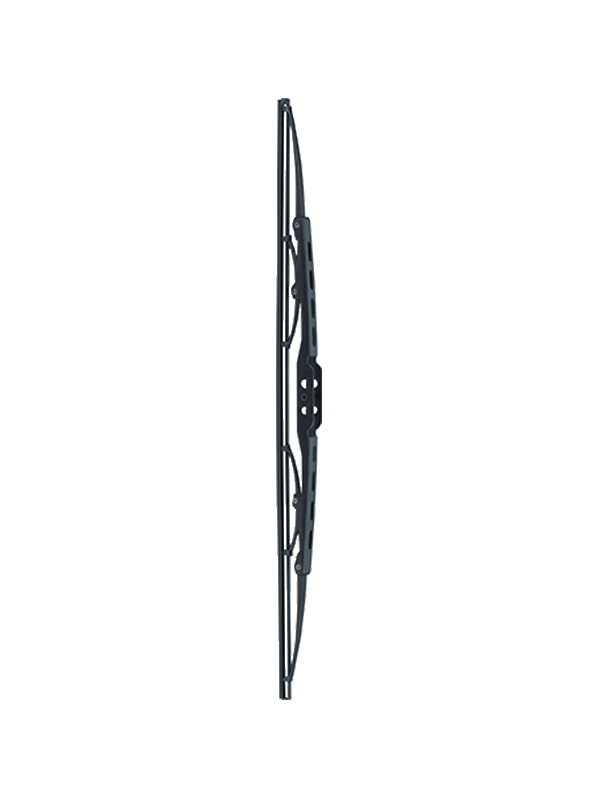
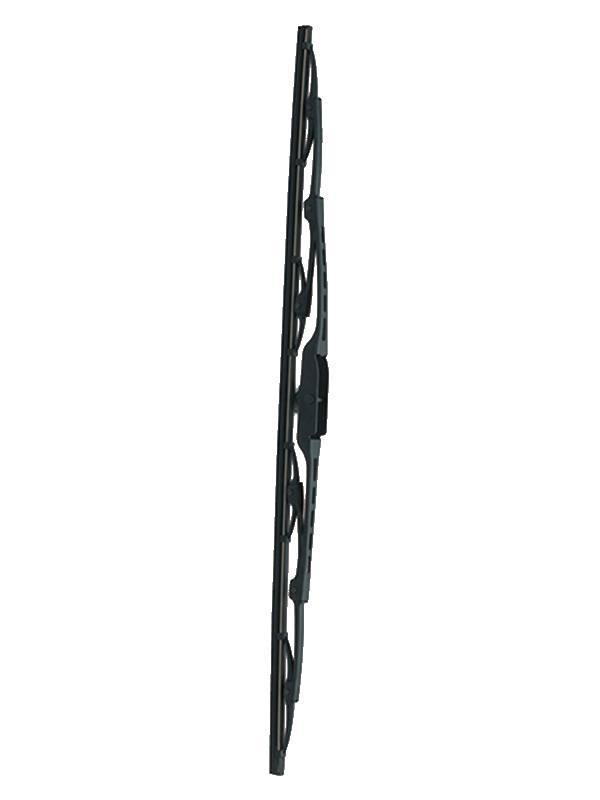
Conventional wipers, sometimes referred to as bracket wipers, rely on a multi-joint metal frame to maintain pressure against the windshield. Springs and pivots distribute force across the blade, enabling flexibility over curved surfaces. This mechanism has been widely used for decades and offers predictable performance at low to moderate speeds.
However, the multiple exposed joints introduce complexity. When exposed to dust, snow, ice, or long-term UV radiation, the individual components may degrade at different rates, creating inconsistent pressure distribution. As a result, traditional wipers may show streaking or partial contact on highly curved windshields.
Flat Wiper Structure
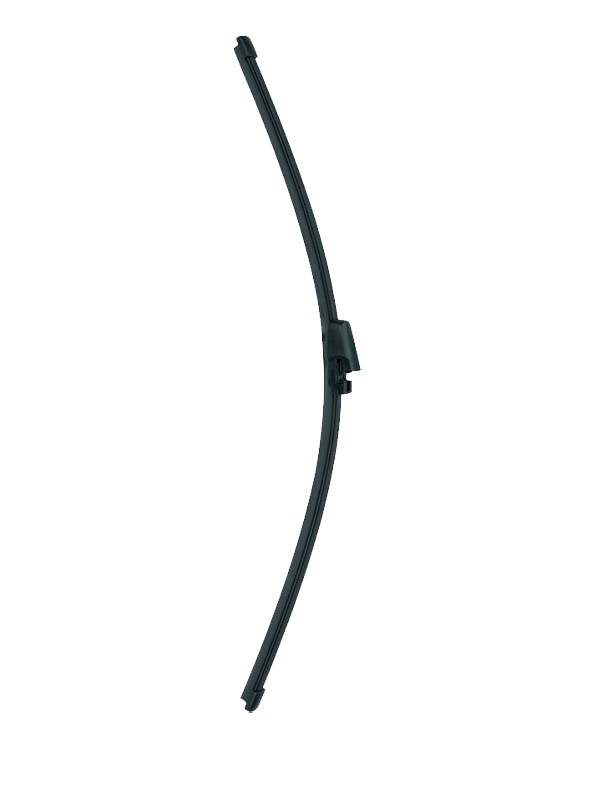
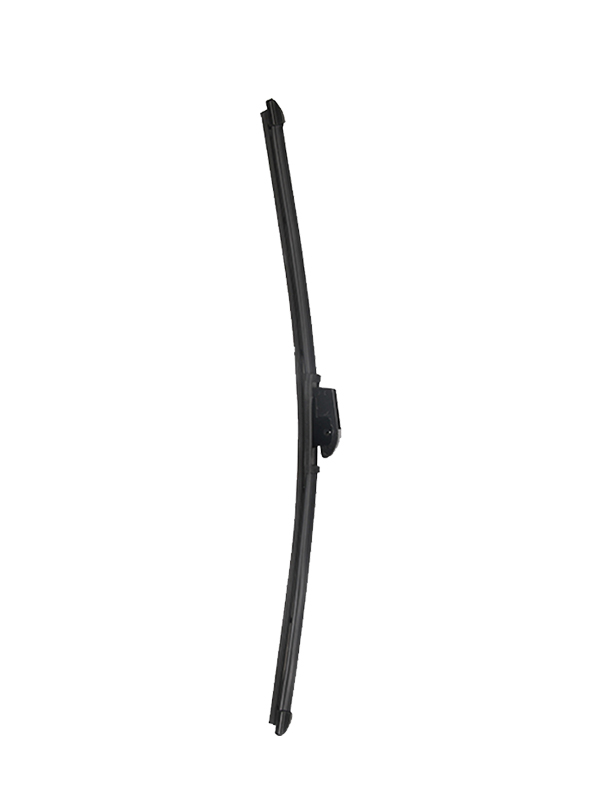
A flat wiper—often categorized as a beam wiper blade—uses a single-piece elastomer body reinforced by a memory steel strip. This design eliminates the multi-joint architecture and replaces it with uniform curvature and distributed tension. The simplicity of this structure enhances pressure stability and ensures consistent performance across modern aerodynamic windshields.
The internal steel spine adapts to the windshield curvature, while the outer aerodynamic shell reduces lift at higher speeds. As flat wiper manufacturers refine molding processes and rubber formulations, these blades have become a preferred choice in many contemporary vehicle applications.
Material Composition and Durability
Material engineering plays a decisive role in wiper blade effectiveness. The following comparison outlines typical material choices used across product categories.
Material Comparison Between Flat Wipers and Conventional Wipers
| Component | Flat Wiper | Conventional Wiper |
|---|---|---|
| Primary Material | Single-piece elastomer with reinforced steel strip | Rubber blade + multi-piece metal frame |
| Rubber Compound | Natural rubber or silicone rubber | Mostly natural rubber |
| UV Resistance | Enhanced due to protective shell design | Lower, rubber more exposed |
| Corrosion Exposure | Minimal | Frame often subject to corrosion |
| Aerodynamic Coating | Common | Rare |
| Environmental Protection | High, fewer exposed joints | Moderate |
Advancements in silicone wiper blades have enhanced temperature resistance, making them less vulnerable to cracking during weather. The enclosed design of flat blades also offers longer operational life by minimizing exposure to debris and moisture.
Aerodynamic Behaviour and High-Speed Stability
Drag and Wind Lift
Conventional wipers rely on additional spoilers and metal braces to maintain contact with the windshield. At higher vehicle speeds, airflow turbulence can create lift forces that reduce wiping efficiency and cause fluttering.
In contrast, the flat wiper features:
Integrated streamlined profiles
Reduced turbulence
Better downward force distribution
Lower operational noise
These aerodynamic advantages significantly enhance visibility during highway driving, which explains why beam-style wipers align closely with the aerodynamic requirements of modern vehicle designs.
Noise and Vibration Control
The single-piece structure of flat blades eliminates the vibration-prone joints found in conventional wipers. Improved stability translates into reduced chatter and smoother movement across the glass surface. This characteristic is especially noticeable when glass surfaces are partially dry or when light mist conditions require intermittent wiping.
Wiping Performance and Weather Adaptability
Performance on Curved Windshields
Many new vehicles incorporate more pronounced windshield curvature to improve structural rigidity and visibility. Flat blades naturally fit these contours due to their flexible steel spine, creating uniform pressure.
Conventional frames may struggle with:
Uneven pressure points
Missed spots
Increased squeaking
Performance in Extreme Weather
Flat wipers offer performance in harsh environments because their housing prevents snow, ice, and dirt from accumulating inside. Conventional wipers, however, expose joint components that may freeze or clog, reducing flexibility in cold climates.
Adaptability Across Climate Zones
The combination of sealed design, advanced materials, and aerodynamic shape allows flat wipers to maintain reliability in:
Tropical humidity
Desert heat
Arctic temperatures
Rain and salt-air coastal regions
This makes the technology particularly relevant to markets with diverse weather conditions.
Installation and Compatibility
Universal Fitting Systems
Modern flat wiper manufacturers increasingly offer universal wiper fitting systems to simplify installation. These attachment mechanisms support a wide range of arms including:
U-hook
Push-button
Pin-type
Side-lock
This universality expands aftermarket potential and reduces SKU complexity for distributors.
Replacement Convenience
Flat blades are often designed for rapid replacement, supporting DIY users and quick automotive servicing. The absence of metal frames reduces the risk of scratching the windshield during installation.
Lifecycle Expectations and Maintenance
Service Life
While actual service life depends on usage conditions, flat blades typically last longer due to:
Fewer exposed mechanical parts
Superior UV resistance
Better material density
Reduced corrosion risk
Regular maintenance—such as wiping the blade edge and cleaning the windshield—further enhances performance.
Long-Term Visibility Reliability
Drivers often underestimate the importance of consistent wiping performance over time. Degraded wipers reduce light transmission, create smear patterns, and increase nighttime glare. Flat blades retain even contact pressure longer, contributing to safer driving conditions across extended usage cycles.
Industry Trends and Manufacturing Standards
Growing Demand in the Automotive Aftermarket
The global demand for high-performance windshield wiper blades is increasing due to:
More frequent replacement cycles
Growth of automotive customization
Rising focus on driver safety
Expansion of commercial transportation fleets
The aftermarket segment particularly values robust compatibility, stable performance, and minimal maintenance—attributes strongly associated with flat wipers.
Manufacturing Requirements
Flat wiper manufacturers generally follow strict design protocols involving:
High-precision molding
Tension-controlled steel strips
Rubber compounding optimization
Aerodynamic modeling
Material fatigue testing
These standards ensure consistent product output and durability across large-scale production.
Cost Considerations
Initial Cost vs Long-Term Value
Flat wipers often carry a higher upfront cost due to premium materials and engineering requirements. However, a longer service life and a lower risk of mechanical failure bring better long-term value to users.
Maintenance-Related Cost Savings
Their simplified structure reduces the need for frame adjustments, lubrication, or cleaning of multiple pivot points. Reduced wear and tear minimize replacement frequency, contributing to total cost efficiency.
Application Scenarios
Passenger Vehicles
For compact cars, sedans, SUVs, and electric vehicles, flat wipers deliver aerodynamic stability and quiet operation, aligning with modern vehicle design philosophies.
Commercial Vehicles
Fleet managers increasingly choose beam-style wipers for transportation fleets due to the durability and reduced maintenance effort needed for frequent-use vehicles.
Harsh-Climate Regions
Regions with heavy snow, monsoon rainfall, or desert sand benefit from the enclosed structural design that protects internal tension components.
Comparative Summary
Overall Comparison of Flat Wipers and Conventional Wipers
| Category | Flat Wiper | Conventional Wiper |
|---|---|---|
| Structural Design | Single-piece aerodynamic | Multi-joint mechanical |
| High-Speed Performance | Excellent | Moderate |
| Weather Resistance | High | Variable |
| Noise Level | Low | Higher |
| Durability | Long | Moderate |
| Installation | Universal & simple | Type-specific |
| Cost Efficiency | Higher long-term value | Lower initial investment |
| Maintenance | Minimal | More frequent |
Conclusion
When evaluating the two primary windshield wiper designs—flat wipers and conventional wipers—the analysis shows clear distinctions in structure, performance, durability, and lifecycle value. The aerodynamic profile, stable pressure distribution, minimal noise, and advanced materials place flat wipers at the forefront of modern automotive wiper technology. While conventional wipers still serve basic functional needs and offer a lower entry cost, the comprehensive advantages of the flat wiper make it the preferred option for vehicles requiring high-speed stability, weather adaptability, and consistent wiping efficiency.

China's famous universal wiper blade manufacturer and customized wiper blade supplier.
share
contact information
Tel: +86-574-86572688
Fax: +86-574-86572685
Email: sales@aiduo-wiper.com
Add: Mechanical and Electrical Industrial Park, Luotuo Town, Zhenhai District, Ningbo City, Zhejiang Province, China.

