

 English
  中文简体
中文简体 

Submit feedback
Flat Wiper Blades vs. Curved Wiper Blades: Pros and Cons Explained

Introduction
Windshield wipers are an essential component for vehicle safety, helping to ensure clear visibility in all weather conditions. With advancements in wiper blade design, two types have emerged as the commonly used: flat wiper blades and curved wiper blades.
What Are Flat Wiper Blades?
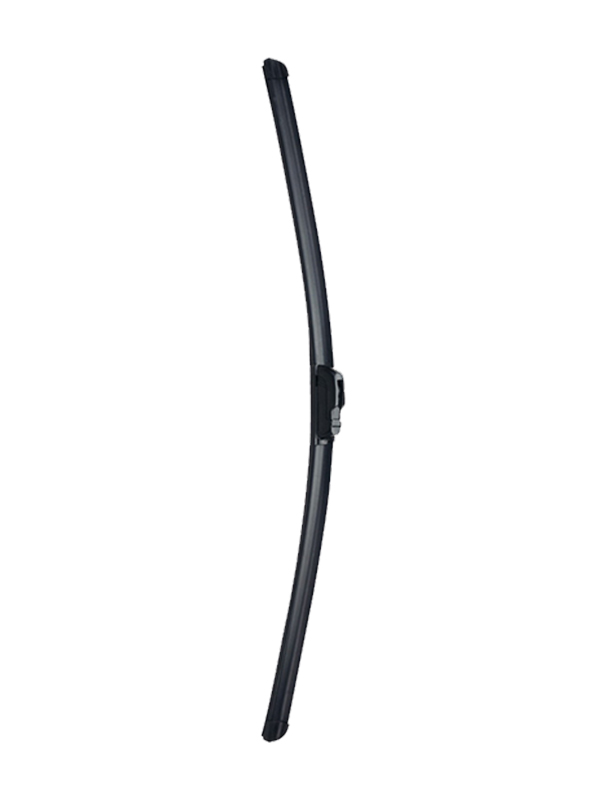
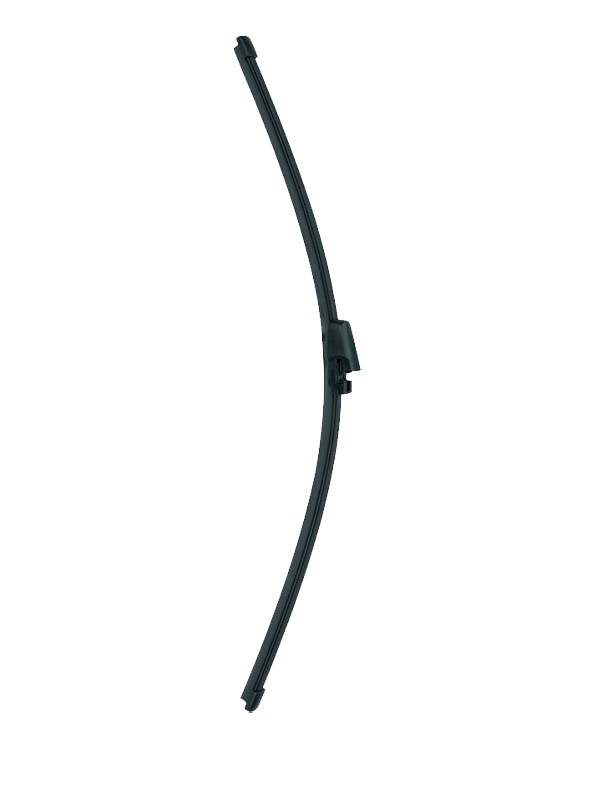
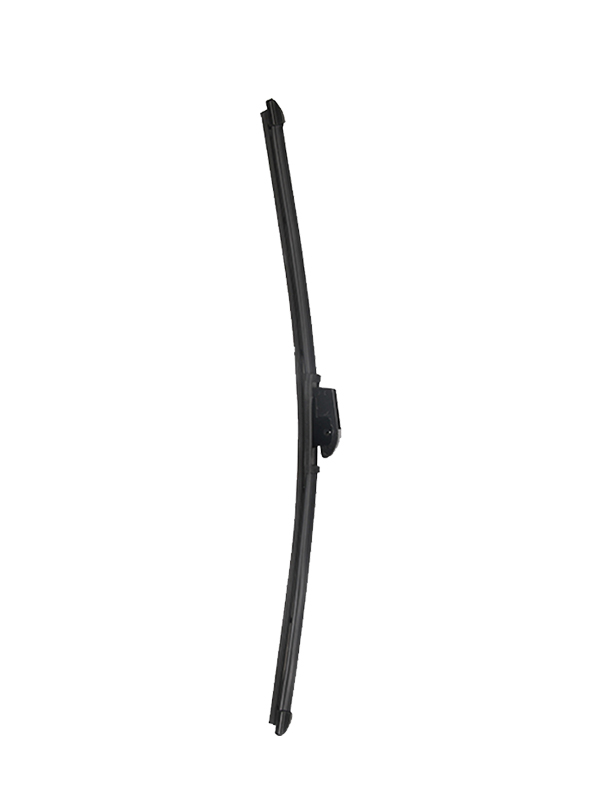
Flat wiper blades, also known as beam blades, are a newer design that features a more streamlined, low-profile structure. Unlike traditional wiper blades, flat wipers do not require a metal frame. Instead, they use a flexible rubber blade, which allows them to maintain uniform pressure across the windshield.
Pros of Flat Wiper Blades:
- Aerodynamic Design: The low-profile design ensures that wind does not lift the blade off the windshield at high speeds, providing more consistent performance.
- Better Performance in Winter: Flat wipers are less prone to snow and ice buildup, as the lack of a metal frame makes them less likely to collect debris.
- Durability: The rubber blade is typically more durable than traditional wiper blades, reducing the need for frequent replacements.
- Quiet Operation: Due to their smooth design, flat wipers generally operate more quietly than their curved counterparts.
Cons of Flat Wiper Blades:
- Limited Compatibility: Flat wipers may not fit all vehicles, especially older models, or those with specific windshield curvature.
- Higher Cost: Flat wiper blades tend to be more expensive compared to conventional curved wipers, making them a more significant upfront investment.
What Are Curved Wiper Blades?
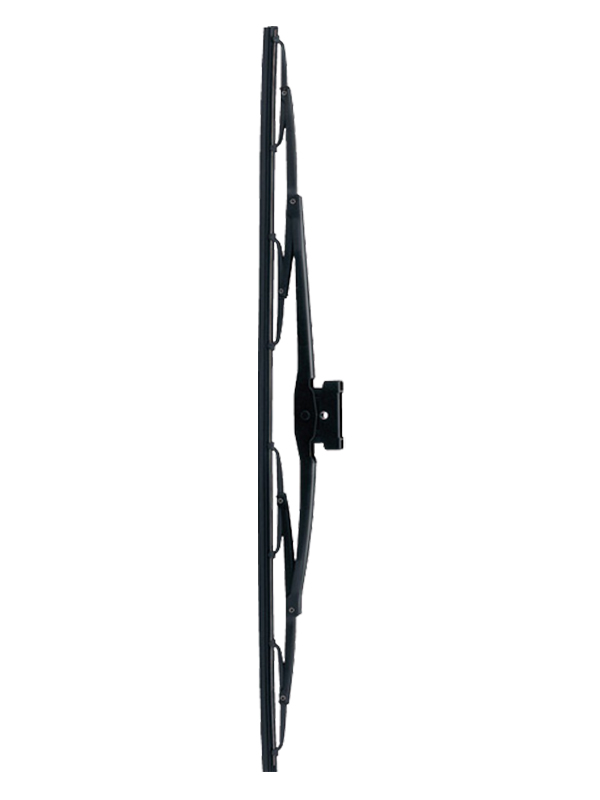
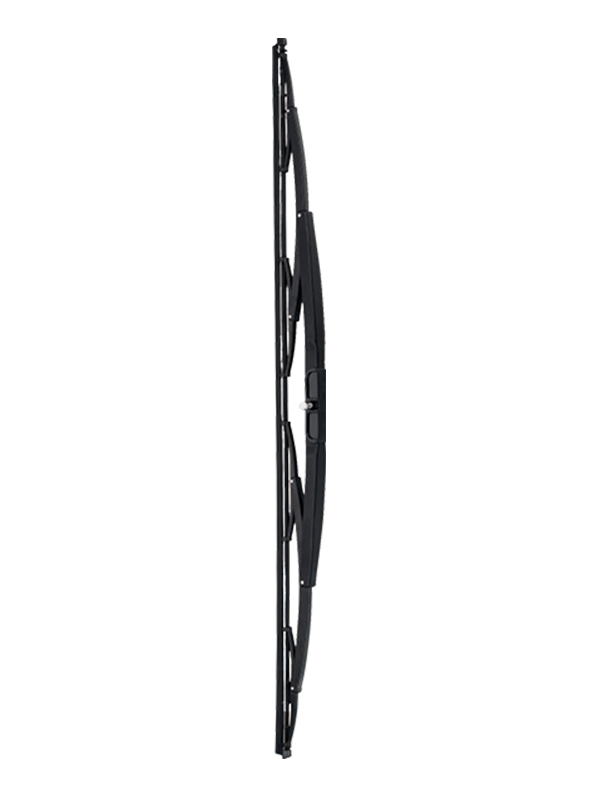
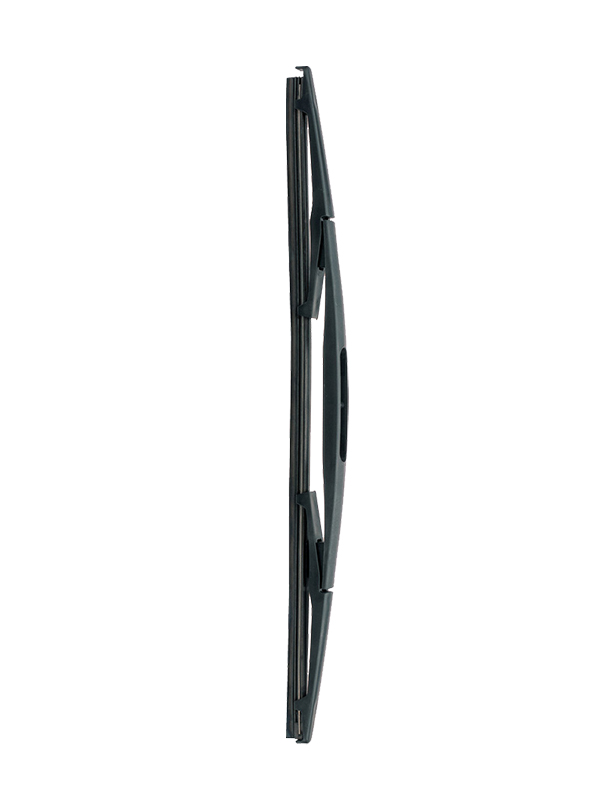
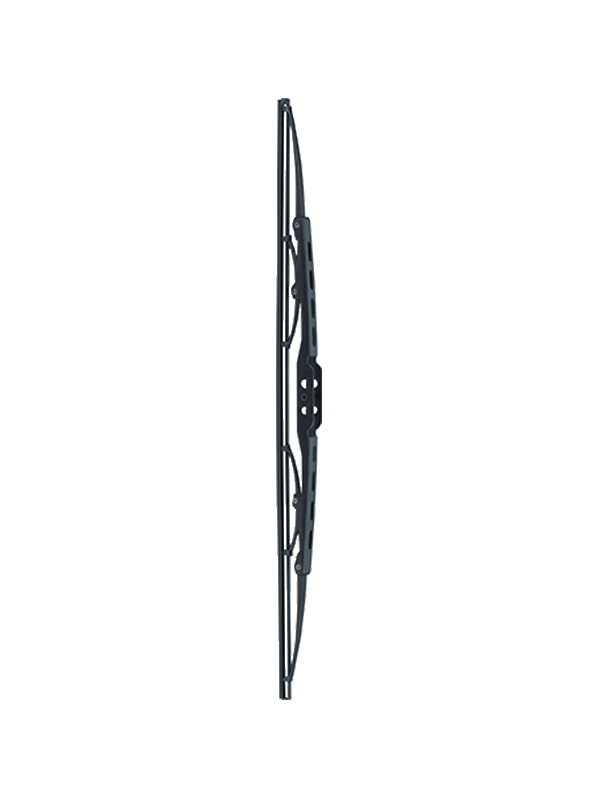
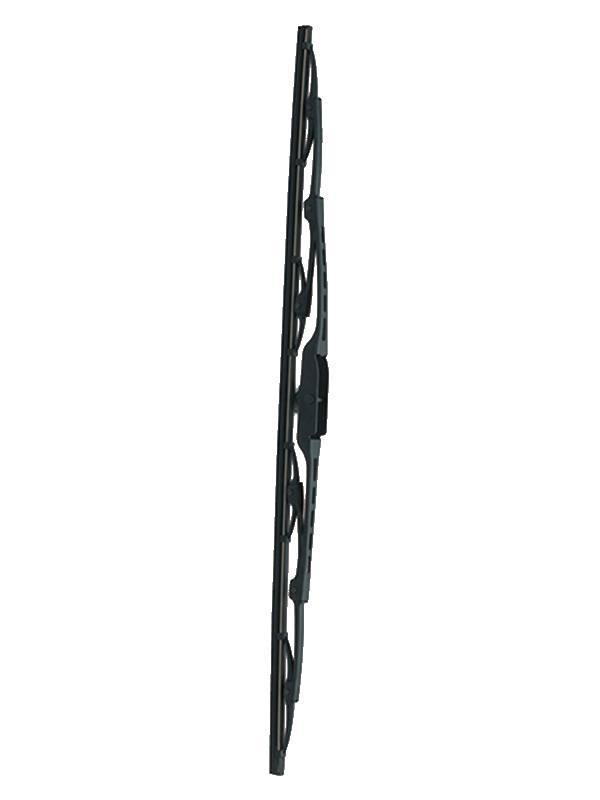
Curved wiper blades are the traditional style drivers are familiar with. These wipers have a metal frame that conforms to the curvature of the windshield, using a rubber blade that is typically fixed at a specific angle. This design allows for increased pressure in the center of the blade, which is often considered better for wiping larger or more heavily curved windshields.
Pros of Curved Wiper Blades:
- Wider Compatibility: Curved wiper blades are more universally compatible with a variety of vehicles, especially older models with traditional windshields.
- Affordability: These wipers are generally cheaper than flat wipers, making them a more cost-effective option for many drivers.
- Effective for Heavily Curved Windshields: Curved wipers tend to provide better contact with the windshield on vehicles with more pronounced curvature.
Cons of Curved Wiper Blades:
- Wind Lift: The frame design makes curved wipers more prone to wind lift at high speeds, which can reduce their effectiveness.
- Snow and Ice Build-Up: The exposed metal frame can collect snow and ice, potentially impairing performance during winter months.
- Noise: Some curved wipers can be noisier, especially if they are not aligned properly or are older.
Comparison Between Flat and Curved Wiper Blades
| Feature | Flat Wiper Blades | Curved Wiper Blades |
|---|---|---|
| Design | Streamlined, no metal frame | Traditional metal frame with curvature |
| Aerodynamics | Better at high speeds | Prone to wind lift |
| Performance in Winter | Performs well in snowy/icy conditions | Susceptible to ice and snow build-up |
| Durability | Long-lasting, fewer replacements needed | May require more frequent replacements |
| Noise Level | Quieter operation | Can be noisy, especially when worn |
| Compatibility | Not always suitable for older vehicles | More universally compatible |
| Cost | Higher upfront cost | More affordable |
Which Type is Right for You?
Choosing between flat and curved wiper blades largely depends on the specific needs of your vehicle and driving environment. If you live in a region with harsh winters or often drive at high speeds, flat wiper blades are a great choice due to their better performance in conditions and their quieter operation. On the other hand, if you’re looking for an affordable and reliable option for an older vehicle or one with a highly curved windshield, curved wiper blades may be more suitable.
FAQ
1. What is the main difference between flat and curved wiper blades?
- The primary difference lies in the design. Flat wipers have a streamlined, frame-less structure, whereas curved wipers feature a metal frame that conforms to the shape of the windshield.
2. Are flat wiper blades more expensive than curved ones?
- Yes, flat wiper blades are generally more expensive due to their advanced design and materials, but they tend to last longer and perform better in certain conditions.
3. Can flat wiper blades be used on any vehicle?
- No, flat wiper blades are not universally compatible with all vehicles. Older models or those with specific windshield shapes may require curved blades.
4. Do curved wiper blades perform better in winter?
- No, curved wiper blades are more susceptible to snow and ice build-up due to their exposed metal frame. Flat wipers, with their frame-less design, are generally better suited for winter conditions.
5. How long do flat wiper blades last?
- Flat wiper blades can last longer than traditional curved wipers due to their durable rubber material and frame-less design. However, their lifespan depends on driving conditions and maintenance.

China's famous universal wiper blade manufacturer and customized wiper blade supplier.
share
contact information
Tel: +86-574-86572688
Fax: +86-574-86572685
Email: sales@aiduo-wiper.com
Add: Mechanical and Electrical Industrial Park, Luotuo Town, Zhenhai District, Ningbo City, Zhejiang Province, China.

